Guatemala and Argentina Explore New Business Routes Through Technology
TEC CONNECT brings together Guatemalan and Argentine companies to explore strategic partnerships, technology solutions, specialized talent, and regional market opportunities.

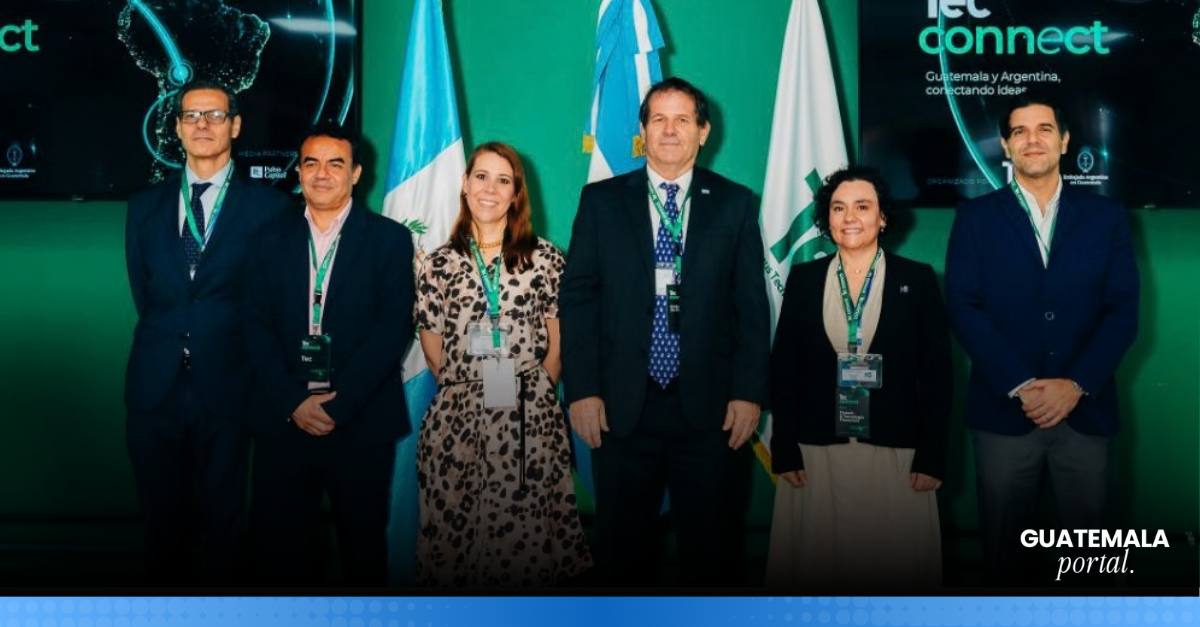
Technology opened a new path for business collaboration between Guatemala and Argentina. Beyond exchanging contacts, companies from both countries explored how to combine capabilities, knowledge, and local presence to develop businesses with regional reach.
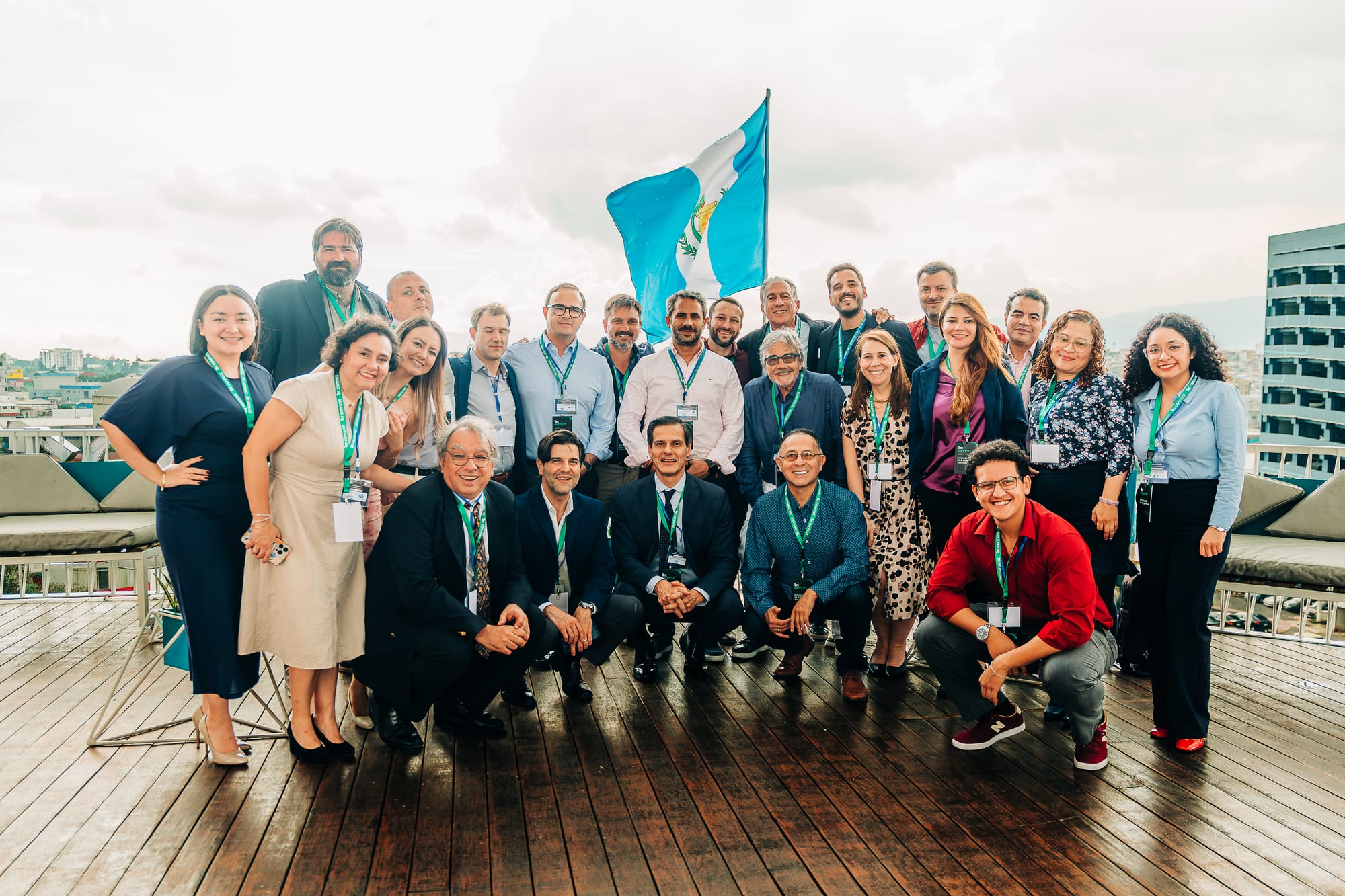
That was the focus of TEC CONNECT: Argentina × Guatemala, organized by TEC Guatemala, which brought together more than 25 Argentine businesspeople and more than 20 Guatemalan companies linked to the technology sector.
The event was part of an Argentine trade mission and included participation from the Embassy of Argentina in Guatemala and Argentina’s Foreign Ministry. Participating companies presented solutions and explored opportunities in software, digital transformation, fintech, cybersecurity, artificial intelligence, hardware, and marketing.
Technology as a Bridge Between Two Markets
For Martín Recondo, Ambassador of Argentina to Guatemala, the event provided an opportunity to bring together two ecosystems with different characteristics but significant potential for collaboration.
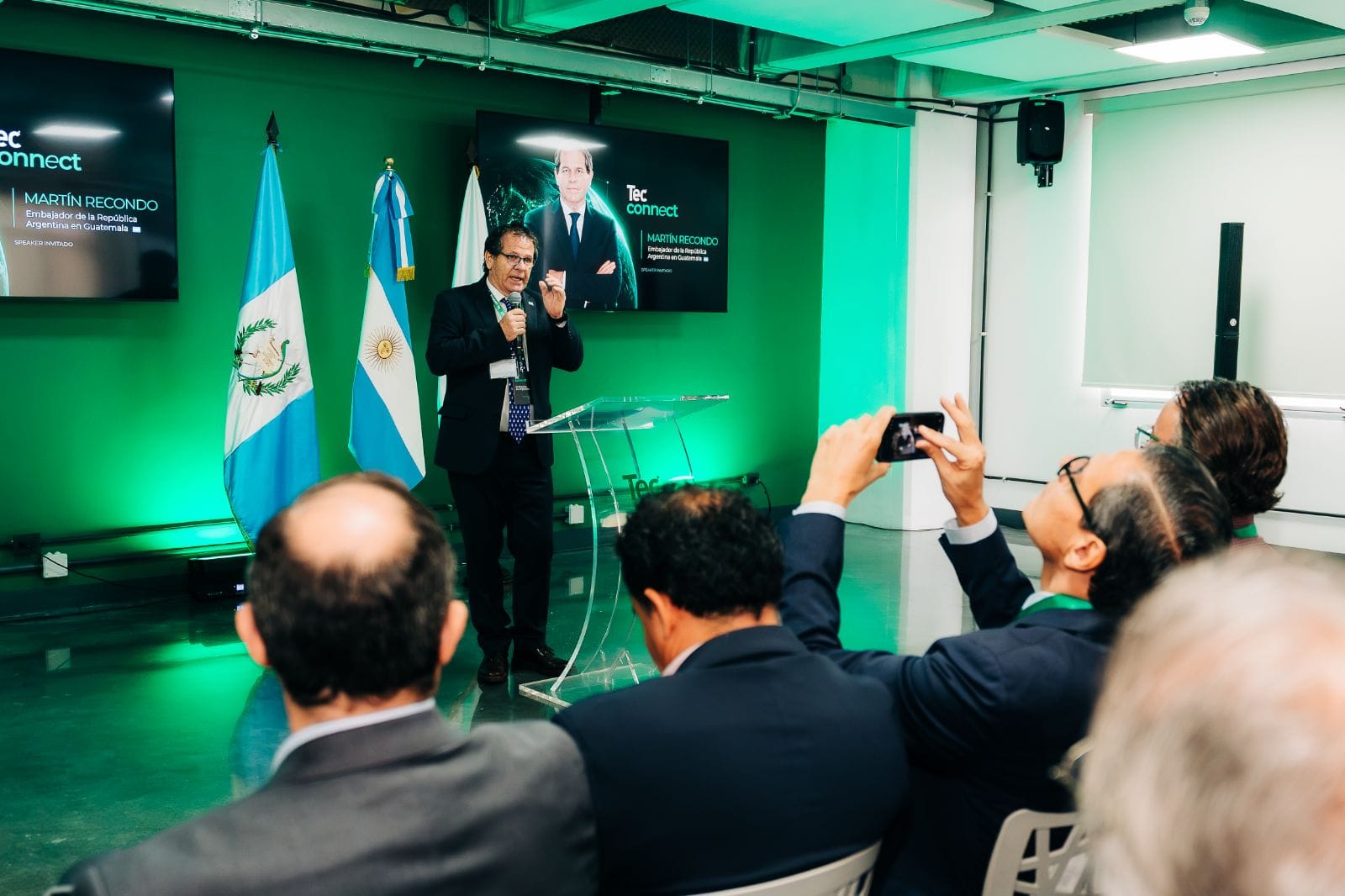
“The opportunities are very large,” he said when referring to the potential of Guatemala and Argentina to develop technology-driven businesses.
Recondo explained that Argentina has universities, infrastructure, human capital, and an established knowledge-economy ecosystem that has already produced 16 unicorn companies. Guatemala, meanwhile, has a young, entrepreneurial population and a growing technology sector.
Combining both markets could lead to solutions shaped by different experiences and later expanded into other territories.
“This is much more than the sum of the parts,” the ambassador stated.
He also highlighted the particular importance of personal relationships in this type of business, since technology projects require companies to get to know their partners, understand their markets, and build trust before scaling.
A Local Ecosystem Looking Abroad
The participation of TEC Guatemala reflects a strategy to internationalize the talent and companies that make up its community.
Byron Méndez, CEO of TEC Guatemala, explained that the country has capabilities that go beyond the sectors it is traditionally associated with.
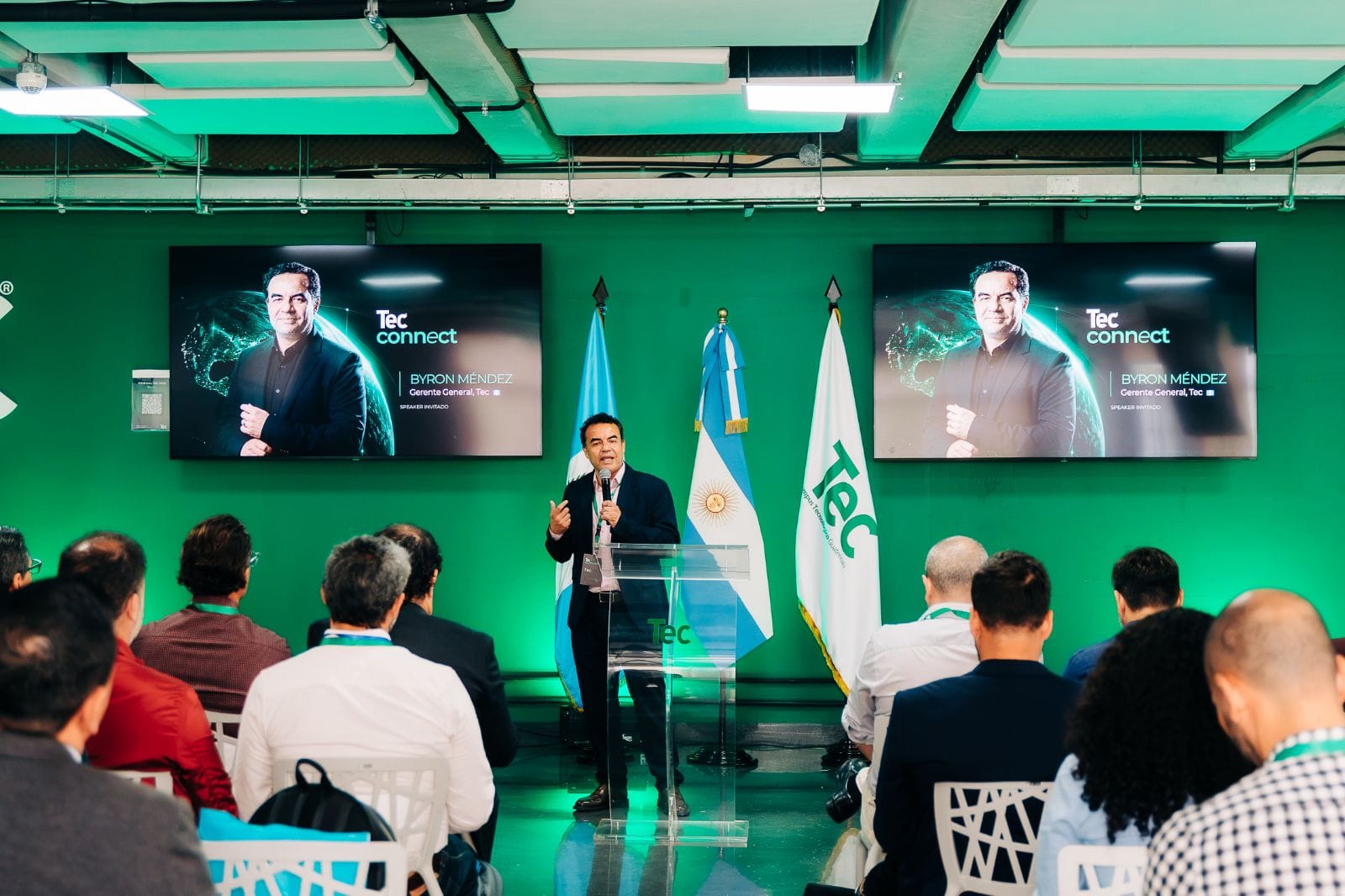
“We want to be a catalyst,” Méndez said when describing TEC Guatemala’s role as a platform that supports companies in areas such as investment, human resources, legal matters, intellectual property, training, and internationalization.
The ecosystem currently brings together around 200 companies and 4,500 people involved in technology development. Some companies participate in international competitions, hold certifications, and develop solutions aimed at different markets.
From this perspective, TEC CONNECT seeks to give local companies the opportunity to showcase their capabilities directly to potential international partners.
Local Partnerships to Understand How Guatemala Works
Finding partners with knowledge of the Guatemalan market emerged as one of the main areas of interest for Argentine companies.
Gabriel Otero, a representative of CESSI, explained that Argentine companies are looking for relationships that can complement their capabilities and facilitate their entry into specific industries.
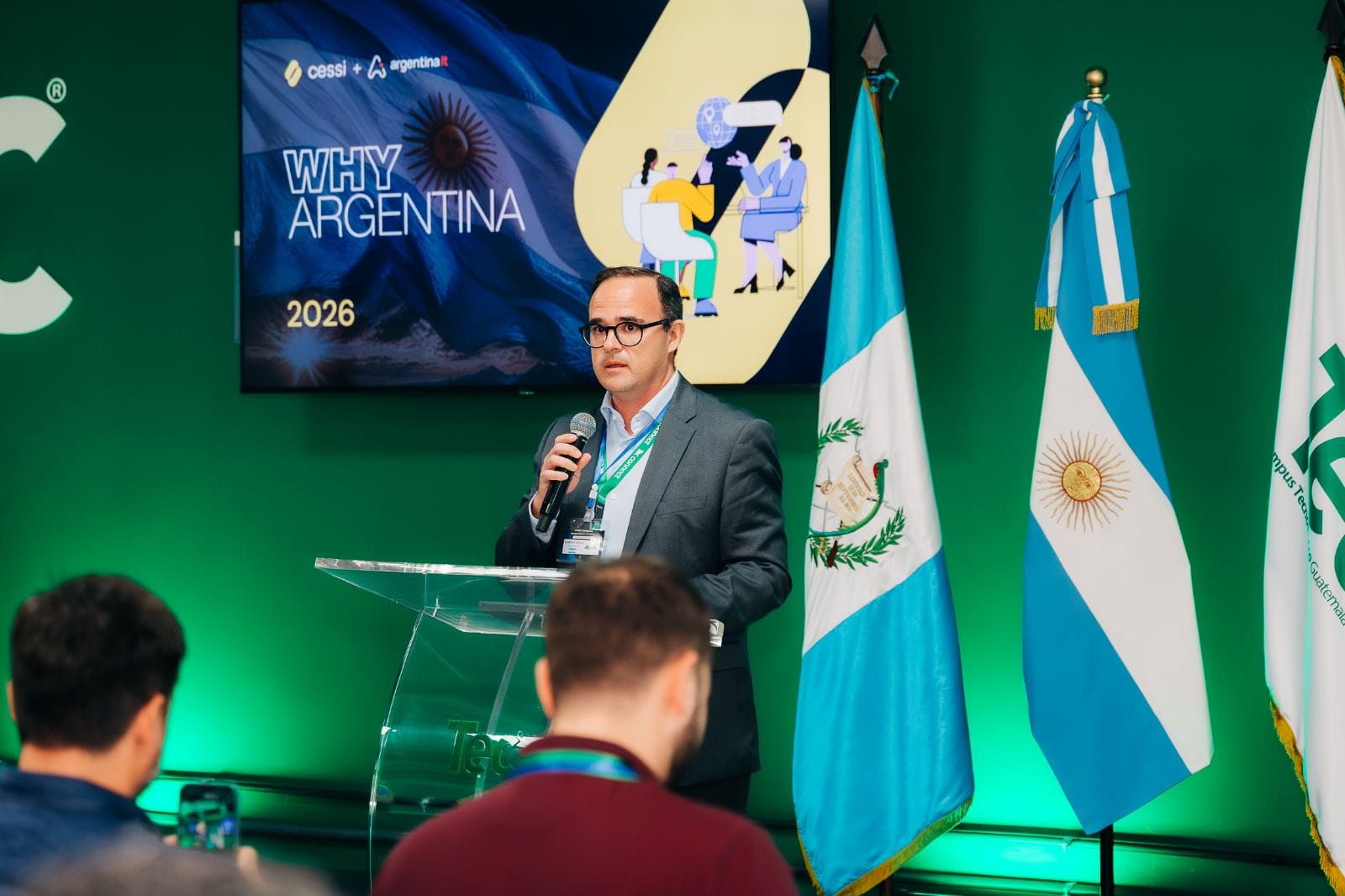
CESSI represents Argentina’s software and IT services industry and has been involved in initiatives focused on international business opportunities for technology companies.
“Guatemala is a very attractive market because of its population composition, its economy, and its stability,” Otero said.
Among the sectors attracting interest are:
- Finance.
- Healthcare.
- Public services.
- Manufacturing.
- Artificial intelligence.
Otero also pointed to opportunities for Argentine technology talent, particularly given the country’s accumulated experience in exporting technology services.
For Fernando Peydro, an executive at Interact Argentina, having local companies as partners makes it possible to better understand the specific characteristics of the market and execute projects according to its needs.
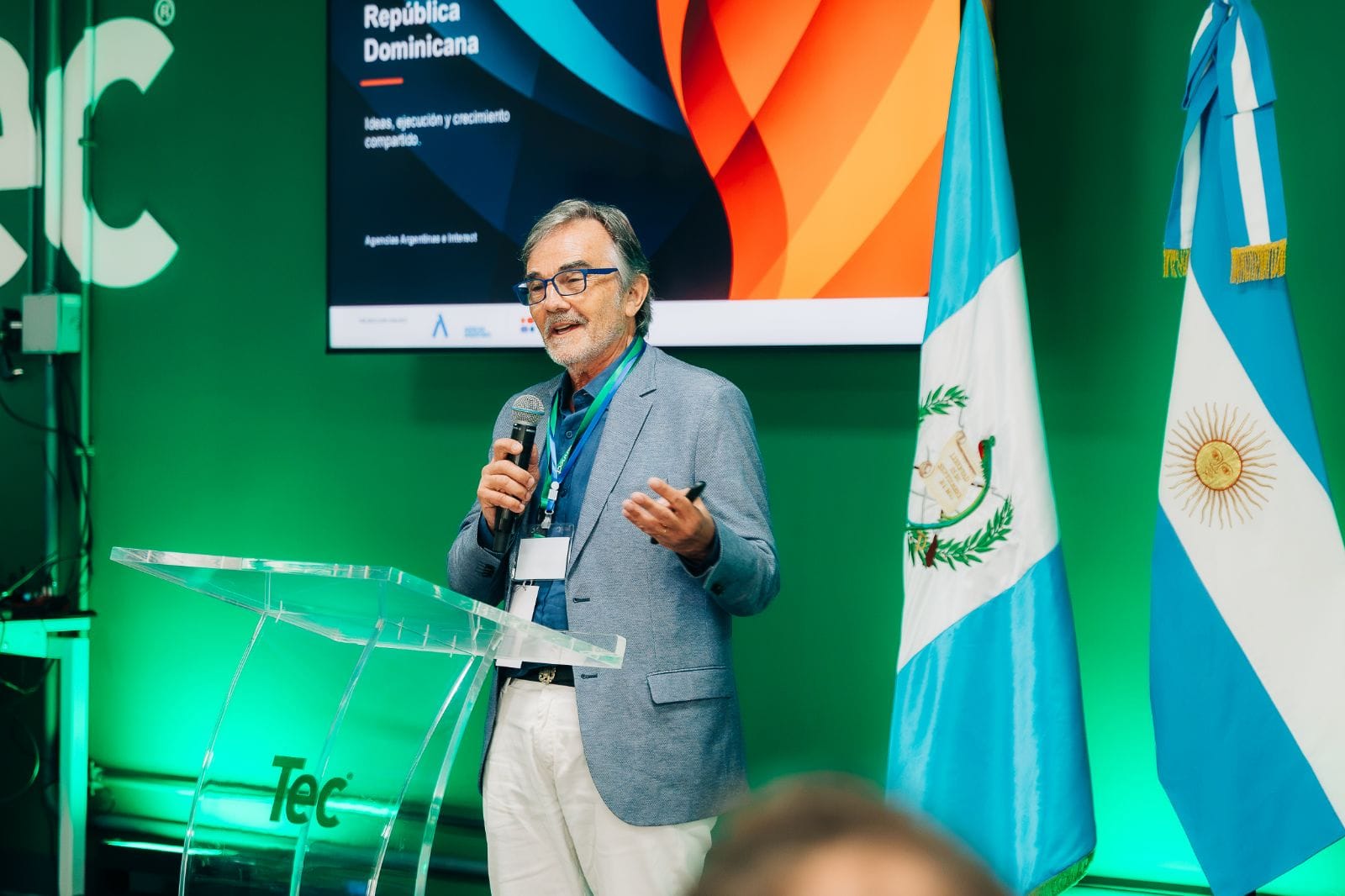
“We need local partners because we need to understand the culture, we need to execute part of the development, and we need to find opportunities,” he explained.
Interact Argentina identifies opportunities in customer experience, loyalty programs, salesperson training, incentives for value chains, and post-sale services.
Conditions That Can Facilitate New Projects
The growth of these business relationships also depends on factors beyond technology development.
José Gálvez-Sobral, Director of the Real Estate Assets Division at Grupo Apolo, said Guatemala can continue strengthening regulatory frameworks, infrastructure, and talent development to facilitate the arrival of foreign capital.
Among the areas he mentioned were simplifying processes for foreign companies, roads, ports, energy, and the availability of specialized professionals.
These factors are complemented by Grupo Apolo’s view of infrastructure and connectivity as areas that contribute to economic development, along with Guatemala’s geographic location and competitive operating and labor costs.
From Connection to Project
TEC CONNECT highlights a possibility that goes beyond a business mission: using connections as a starting point for building sustainable commercial relationships.
The next step will depend on whether these conversations identify concrete needs and complementary capabilities. This is where Guatemala and Argentina could create opportunities by turning the exchange of talent and knowledge into solutions capable of crossing borders and reaching broader markets.