Guatemala Authorizes New Ethanol Plant to Support Fuel Blending Policy
Guatemala moves forward with its E10 mandate as new ethanol production in Retalhuleu and imports from the U.S. secure supply for the fuel transition.

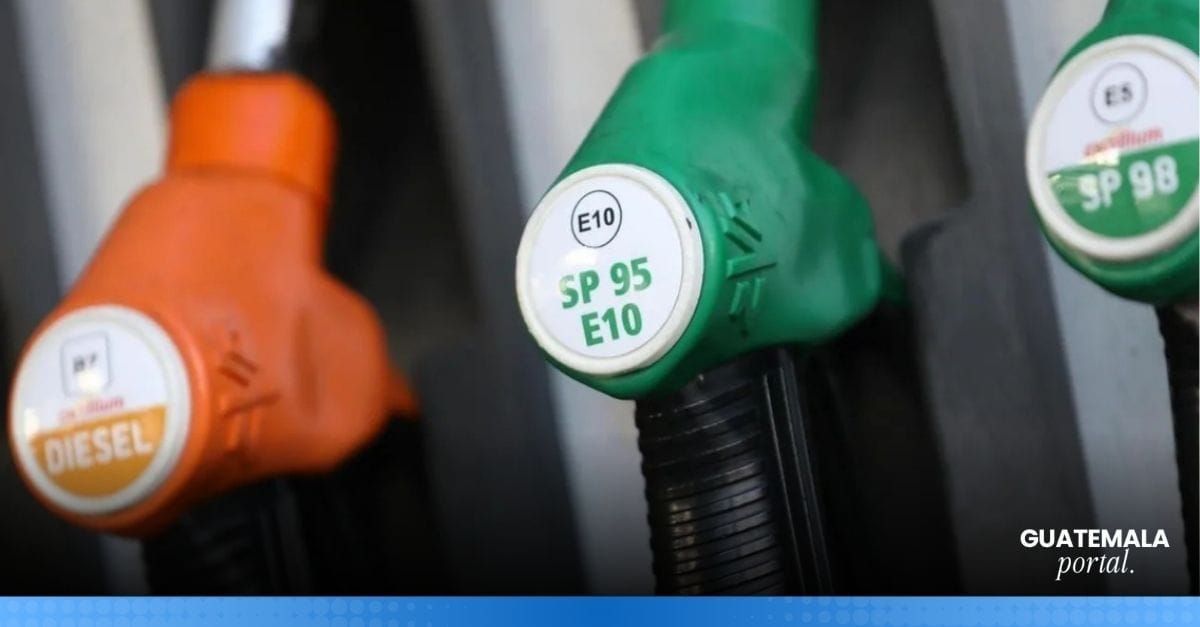
Etanol will play a central role in Guatemala’s fuel transition as the country prepares to implement a nationwide E10 gasoline blend starting June 30. As part of this shift, new local production capacity in Retalhuleu is set to complement imports and ensure supply.
New regulation sets mandatory E10 fuel mix
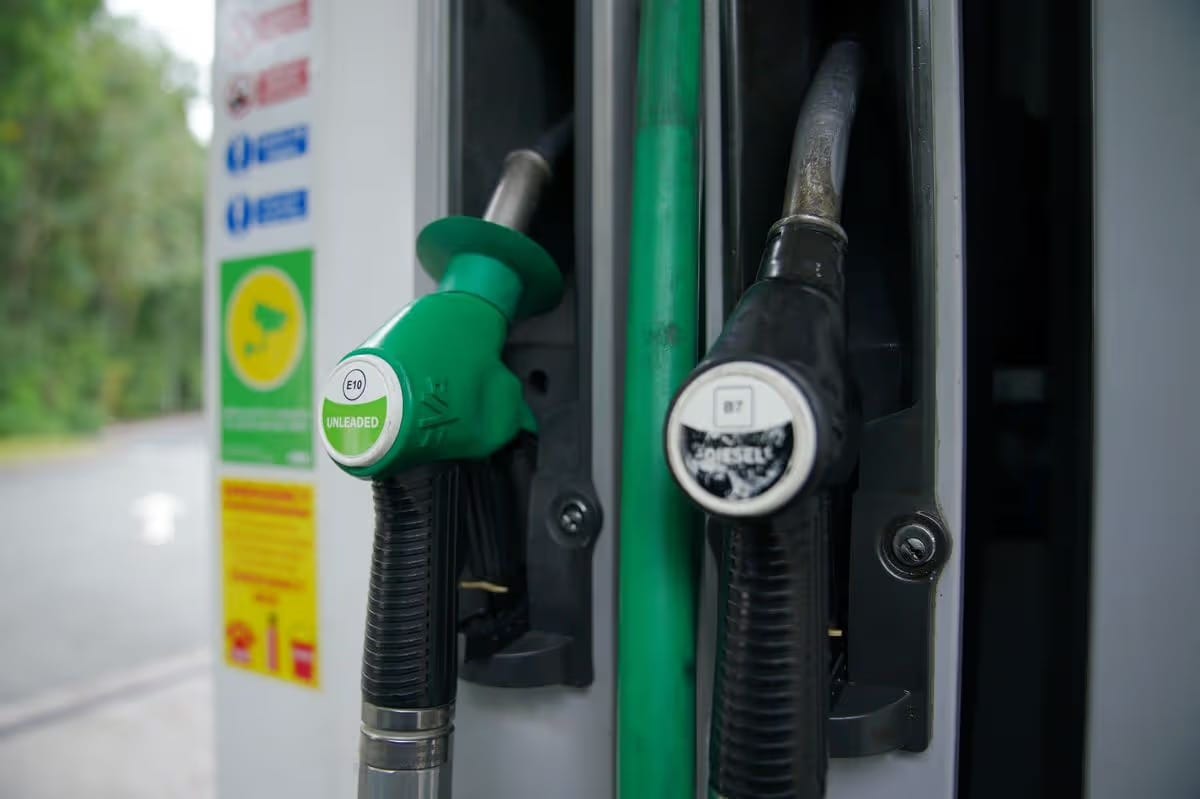
Under Government Agreement 257-2025, which establishes the General Regulation of the Fuel Ethanol Law, all vehicles in Guatemala will be required to use gasoline blended with 10% ethanol, known as E10.
This mandate will require a steady supply of fuel ethanol, sourced both from international markets, particularly the United States, and domestic production facilities.
Local production authorized in Retalhuleu
To support this transition, the Ministry of Energy and Mines (MEM) authorized Destiladora de Alcoholes y Rones, S. A. to produce fuel ethanol. The approval was formalized through Ministerial Agreement 112-2026/SG, published in the Diario de Centro América.
The company operates a production plant located at kilometer 4.5 on the road to La Máquina, in the municipality of San Andrés Villa Seca, Retalhuleu.
According to the official document, the facility has a daily production capacity of 80,000 liters of fuel ethanol, equivalent to 21,133.76 gallons. On an annual basis, this translates into an estimated output of 26 million liters, or approximately 6.86 million gallons.
Storage capacity and regulatory compliance

In addition to production, the plant has a storage capacity of 4.5 million liters (around 1.18 million gallons), as recorded in the National Registry of Fuel Ethanol Producers. The authorization confirms that the company has met all regulatory requirements.
The MEM also established that the company must comply with all obligations under the Fuel Ethanol Law, its General Regulation, and other applicable provisions.
The authorization officially came into effect on April 10, as indicated in the government publication.
Imports from the United States to complement supply
Beyond domestic production, Guatemala is expected to rely significantly on ethanol imports. As part of a reciprocal trade agreement signed between Guatemala and the United States on January 30, the country committed to implementing the E10 mandate and “strive to purchase at least 50 million gallons of ethanol from the United States annually.”
This combination of local production and international sourcing is expected to support the country’s transition toward blended fuels at a national scale.