Guatemala Builds its First Extradosed Bridge to Boost Atlantic Route Connectivity
Guatemala advances the construction of its first extradosed bridge on the CA-9 highway, a US$24M project set to improve connectivity across multiple regions.

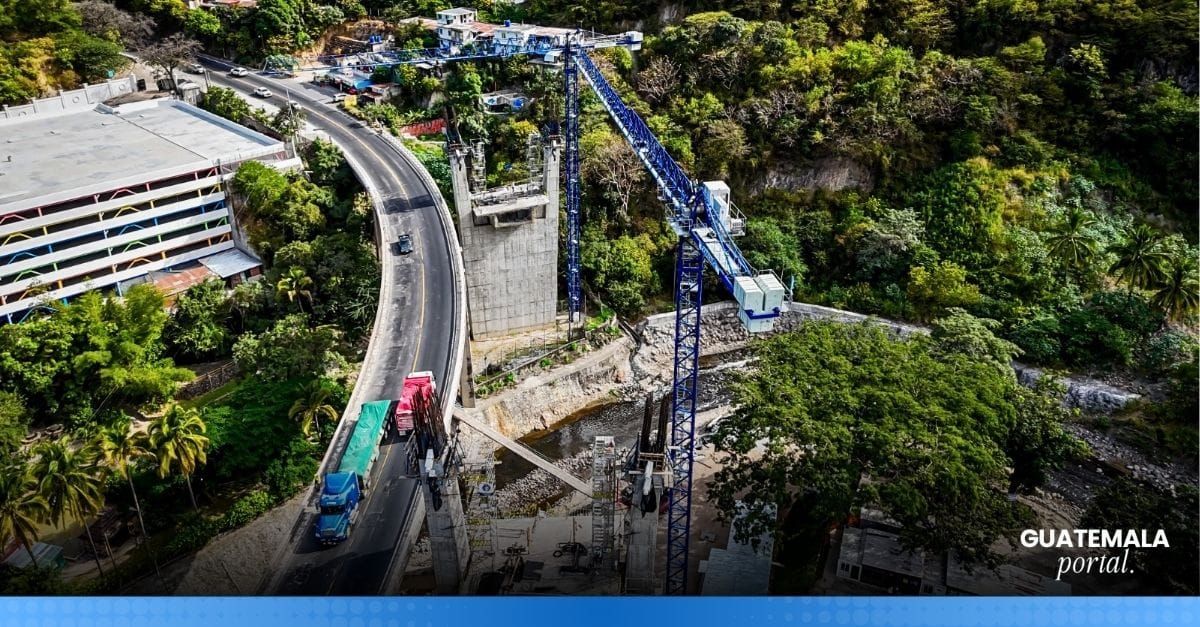
Guatemala is moving forward with the construction of its first extradosed bridge, a project located in the country’s northeast that aims to significantly improve connectivity along the CA-9 Atlantic corridor.
An innovative engineering project in El Progreso
The Corozal Bridge, also known as the Curved Bridge of Agua Caliente, is being developed in El Progreso and has been described by construction firm Grupo Muratori as one of the most innovative engineering works in the country.
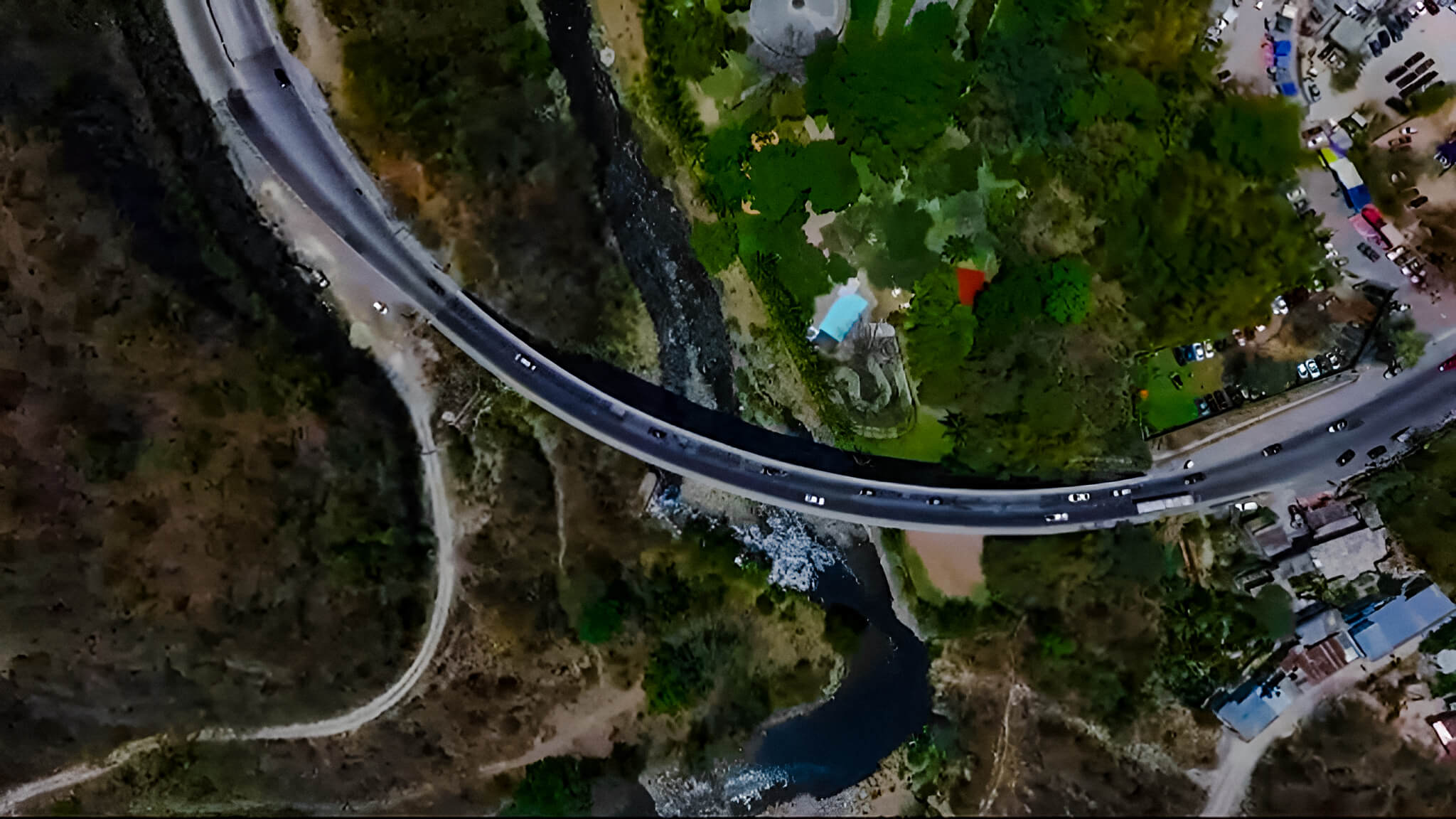
The structure stands out not only for being the first of its kind, but also for its design. It is one of the few curved bridges in Guatemala, featuring a curvature radius of 196 meters. The bridge spans a total length of 180 meters, divided into two sections of 45 meters and three sections of 30 meters.
Located at kilometer 29 of the CA-9 highway, the project connects the municipalities of San Antonio La Paz (El Progreso) and Palencia (Guatemala). The current structure replaces infrastructure that had to be rebuilt after being affected by the 1976 earthquake.
What makes this bridge unique
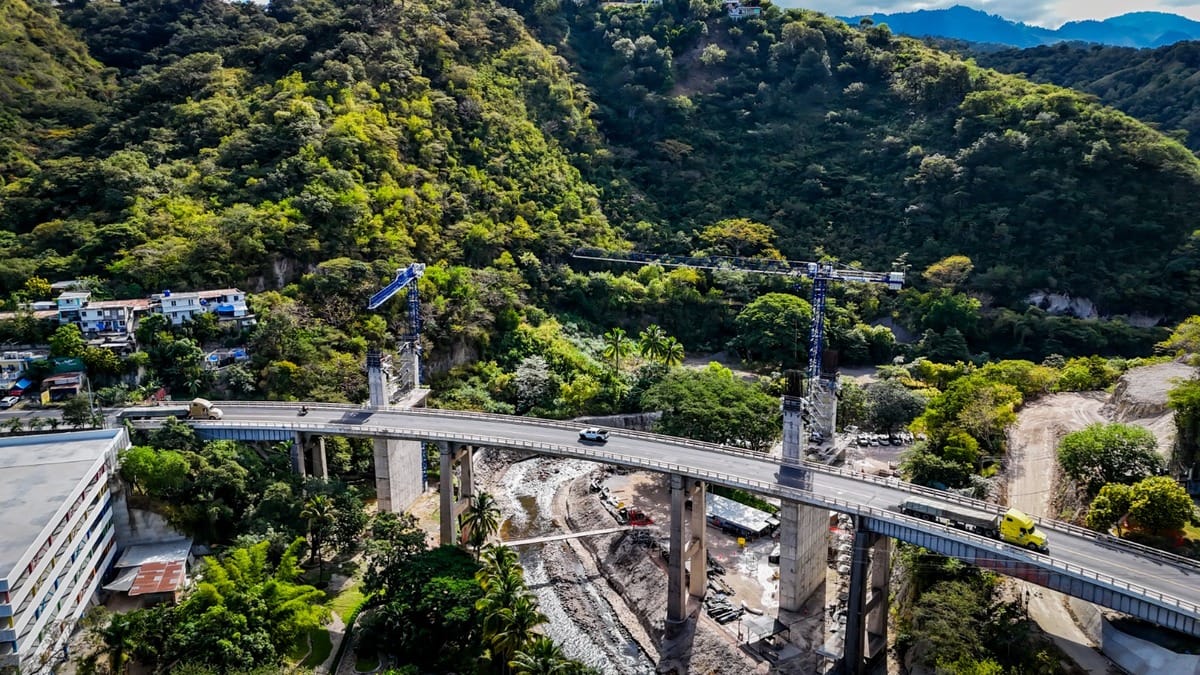
According to Grupo Muratori, this is the first extradosed bridge in Guatemala. This type of structure combines characteristics of cable-stayed bridges and girder bridges, integrating cables that reinforce a concrete structure to enhance efficiency and stability.
Extradosed bridges are typically used for medium spans, ranging between 100 and 250 meters, making this project aligned with international engineering standards.
The new bridge will be built parallel to the existing Corozal bridge and will feature:
- A total length of 180 meters
- A width of 8 meters
- Two traffic lanes
- Drainage systems and full road signage
The infrastructure is expected to improve vehicle transit between San Antonio La Paz and multiple departments, including Alta Verapaz, Baja Verapaz, Chiquimula, El Progreso, Izabal, Zacapa, and Petén.
@caminos_civ 🛣️ #CaminosAlDía Avanza la construcción del Puente Vehicular Corozal en la Ruta CA-09 Norte, Km 29.7, San Antonio La Paz, El Progreso. Actualmente se trabaja en el armado de torres y la instalación de desviadores, acciones que fortalecerán la conectividad y la seguridad vial en la región. 🇬🇹✨ #CaminosQueConectan #InfraestructuraCIV #PlanConecta2025 #ElPuebloDignoEsPrimero ♬ sonido original - Dirección General de Caminos
Investment and project scope
According to Guatemala’s National Public Investment System (SNIP), the project involves the construction of a vehicular bridge with prestressed concrete box girders. The total investment amounts to Q188,753,418 and was awarded to Grupo Muratori.
Construction progress reaches over 65%
The Ministry of Communications, Infrastructure and Housing (CIV), through the General Directorate of Roads, reported that the bridge is supported by two piers and two abutments.
Within the piers, pylons are being constructed using five saddle-type columns, which will support the cable system required for the extradosed structure.
Engineer Héctor Ramos explained the technical process:
“The main deck is composed of box-section segments, and due to the bridge’s symmetry, construction progresses from both sides toward the center, where a closing segment is placed.”
As of late December 2025, work was focused on the third phase of pylon construction, with the goal of completing 50 structural segments within the year.
In its latest update, the CIV confirmed that the project has reached 65.68% physical progress. Ongoing work includes environmental mitigation in disposal areas, as well as horizontal and vertical road signage, which is expected to be completed by the end of July.
Next steps and pending timeline
Following these phases, construction will move into the development of access roads, including entry and exit points, as well as right-of-way works.
The CIV noted that the contractor is still conducting studies and design work for these components, meaning that a final completion date for the project has not yet been defined.