
Carlos Arias Bouscayrol Takes Over as CACIF President for 2026–2027 Term
Carlos Arias Bouscayrol assumes the CACIF presidency for 2026–2027, focusing on electoral oversight, key legislation, and economic challenges in Guatemala.

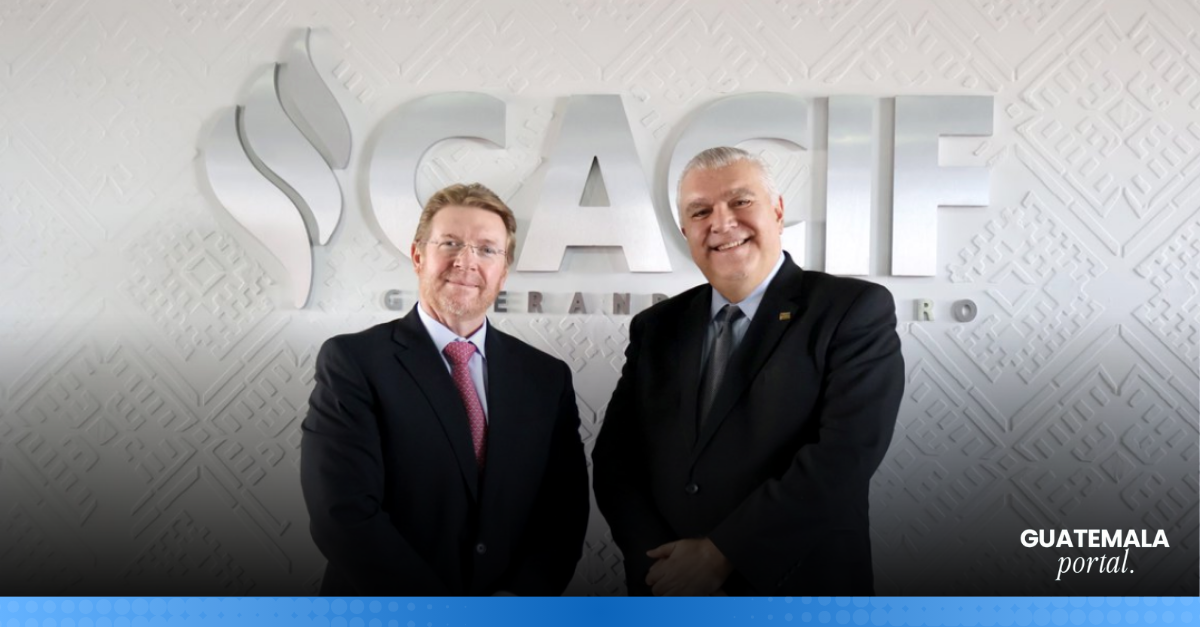
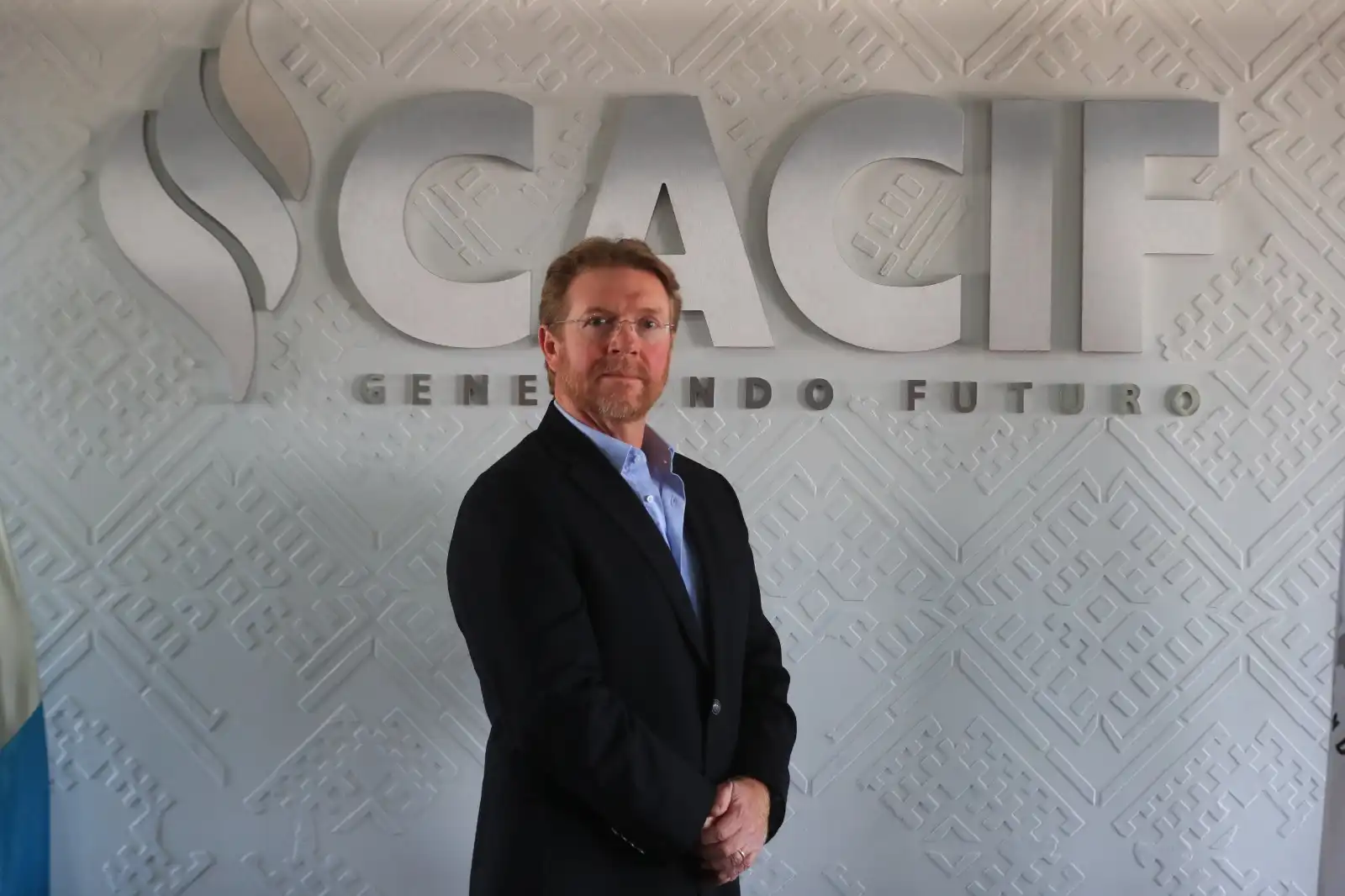
Carlos Arias Bouscayrol officially assumed the CACIF presidency 2026–2027 this Monday, April 13, following the leadership rotation within Guatemala’s main private sector organization. His term will include oversight of the upcoming general elections and monitoring of key legislative and economic developments.
Leadership Transition Within CACIF
The annual assembly of the Coordinating Committee of Agricultural, Commercial, Industrial, and Financial Associations (CACIF) marked the official transition of its board of directors.
For the 2026–2027 term, Carlos Roberto Arias Bouscayrol, vice president of the Guatemalan Exporters Association (Agexport), took over the presidency, replacing Charles Bland, head of the Chamber of Agriculture (Camagro), who concluded his tenure.
The new leadership team also includes:
- Francisco Ralda, from Agexport, as first vice president
- Luis Fernando Castillo Leal, representing the Guatemalan Sugar Association (Asazgua), as second vice president
Private Sector Agenda: Elections and Key Legislation
Among the main responsibilities of the organized private sector is the monitoring of the 2027 general elections, including the preparatory processes and the official call expected from the Supreme Electoral Tribunal in January next year.
In parallel, CACIF will follow the progress of several legislative initiatives currently under discussion in Congress, including:
- Port Law
- Anti-Money Laundering Law
Additionally, attention will be given to the upcoming appointment of monetary authorities and leadership within the Superintendency of Banks (SIB).
Infrastructure and International Context
The agenda also includes tracking initiatives aimed at improving critical infrastructure in Guatemala, as well as projects led by the U.S. Army Corps of Engineers operating in the country.
On the international front, CACIF will assess external factors such as:
- U.S. tariff and migration policies
- The global economic impact of ongoing geopolitical conflicts
These dynamics have already contributed to rising costs in oil prices and other key inputs, creating additional challenges for the national economy.
The start of Carlos Arias Bouscayrol’s term at the helm of CACIF comes at a critical moment for Guatemala’s economic and political landscape. With elections on the horizon, key legislation under debate, and external pressures shaping the global economy, the private sector’s role in monitoring, coordination, and advocacy will be essential in the months ahead.
Hoy celebramos la toma de posesión del Comité Ejecutivo 2026-2027 de #CACIF. Agradecemos el liderazgo de nuestro presidente saliente, Charles Dennis Bland Crespo, y damos la bienvenida a nuestro nuevo presidente Carlos Arias Bouscayrol. pic.twitter.com/IDiO2GCCuy
— CACIF (@CACIFGuatemala) April 13, 2026


