
GREPALMA Celebrates 18 Years Supporting Rural Development and Sustainable Growth
GREPALMA highlights 18 years of sustainable growth, conservation efforts, satellite monitoring, and economic contributions to Guatemala’s palm oil sector.
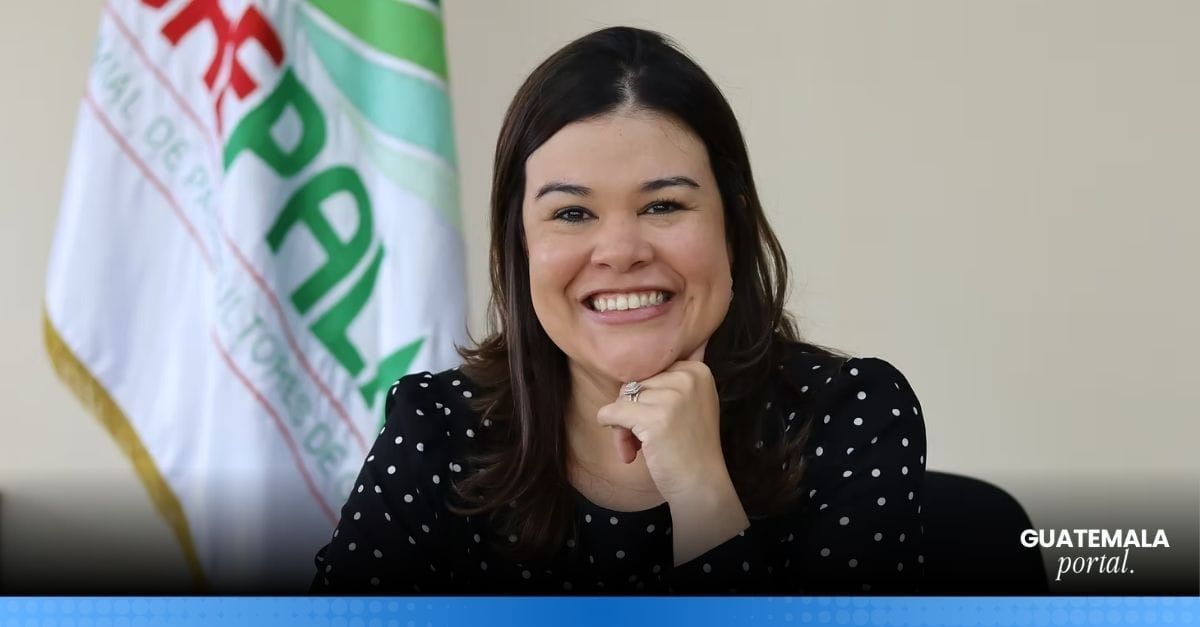
GREPALMA is marking 18 years of representing Guatemala’s palm oil sector, bringing together companies that account for approximately 80% of the country’s palm oil production while promoting sustainability, economic development, and responsible agricultural practices across the value chain.
The organization includes stakeholders involved in production, commercialization, and exports, with operations concentrated in Guatemala’s southern, northeastern, and northern regions.
A Sector with a Significant Economic Impact
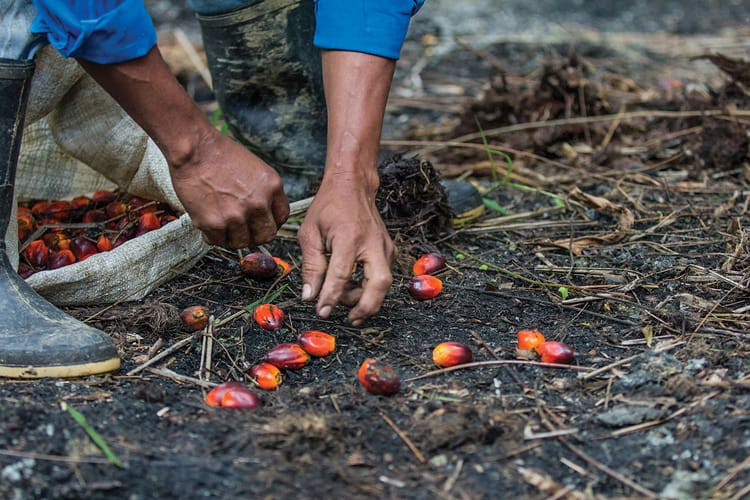
Over the past 18 years, the palm oil industry has become an important contributor to Guatemala’s economy, generating opportunities in rural communities and supporting thousands of families.
According to GREPALMA, the sector contributes 1.6% of the national Gross Domestic Product (GDP), while creating more than 30,000 direct jobs and 150,000 indirect jobs throughout the country.
“These 18 years represent the efforts of thousands of people who are part of Guatemala’s palm oil value chain. Sowing opportunities and harvesting development is not merely an aspiration for the sector; it is reflected every year through formal employment, territorial presence, and verifiable monitoring,” said Marjorie Bosque, Executive Director of GREPALMA.
The organization also notes that it became the first agricultural association in Guatemala to adopt a Human Rights Policy, reinforcing its commitment to responsible business practices.
Satellite Monitoring Supports Zero-Deforestation Commitments
As part of its sustainability strategy, GREPALMA has operated an independent satellite monitoring system since October 2020. The system is verified by Satelligence and uses December 31, 2020, as the reference date for monitoring compliance with zero-deforestation commitments.
This benchmark aligns with the requirements established by the European Union Deforestation Regulation (EUDR), allowing the sector to track land-use changes through a verifiable process.
According to the organization, more than 90% of Guatemala’s oil palm cultivation has been established on low-carbon land that is distinct from primary forests.
Conservation Efforts Across Palm-Producing Regions
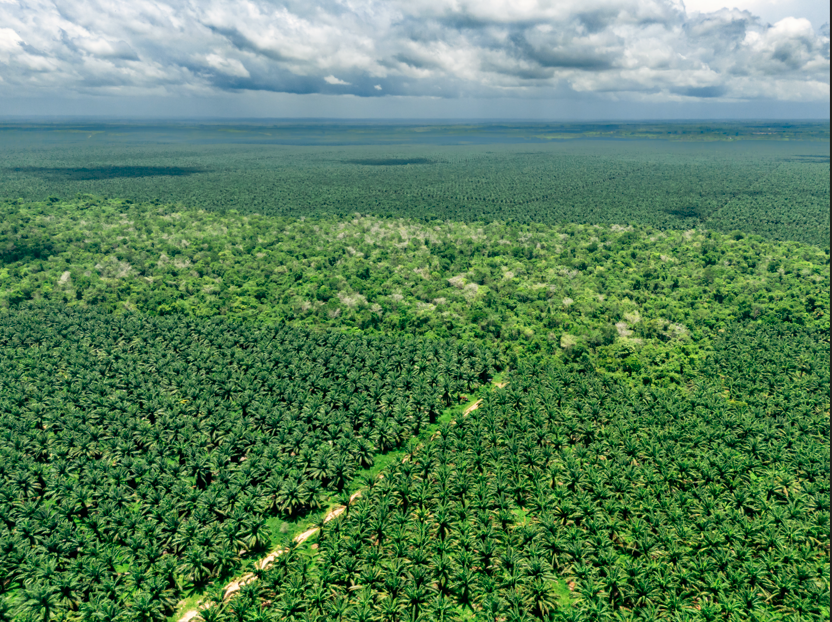
GREPALMA reports that its member companies currently maintain approximately 11,900 hectares under conservation, which are aggregated and monitored through the association.
These efforts form part of the organization's Sustainability Roadmap, a framework that promotes environmental stewardship through initiatives focused on:
- Water source conservation
- Riparian area restoration
- Biodiversity protection
The projects are implemented in collaboration with academic institutions and technical organizations to support long-term environmental outcomes.
Productivity and Continuous Improvement
Guatemala’s palm oil industry has also gained international recognition for its productivity per hectare, positioning the country among the leading performers in palm oil production efficiency.
For GREPALMA, the achievements of the past 18 years reflect an ongoing process of continuous improvement supported by measurable monitoring, periodic reporting, and collaboration among stakeholders throughout the sector.
A Long-Term Commitment to Development
As the organization looks ahead, it continues to emphasize its guiding purpose: “Sowing opportunities and harvesting development.”
Through a combination of economic contribution, sustainability initiatives, conservation programs, and verifiable monitoring systems, GREPALMA aims to strengthen the positive impact of Guatemala’s palm oil industry while supporting responsible growth in rural communities.


