
Distrito Futeca Breaks Ground on US$350 Million Development in Guatemala City
Distrito Futeca is a US$350 million mixed-use development designed to boost tourism, investment and world-class events in Guatemala.


Distrito Futeca, a US$350 million mixed-use development under construction in Guatemala City, is expected to reshape the country's investment, tourism, and commercial ecosystem. The project combines retail, hospitality, and large-scale entertainment infrastructure with the goal of positioning Guatemala as a regional destination for international events.
A US$350 million investment aimed at reshaping Guatemala City
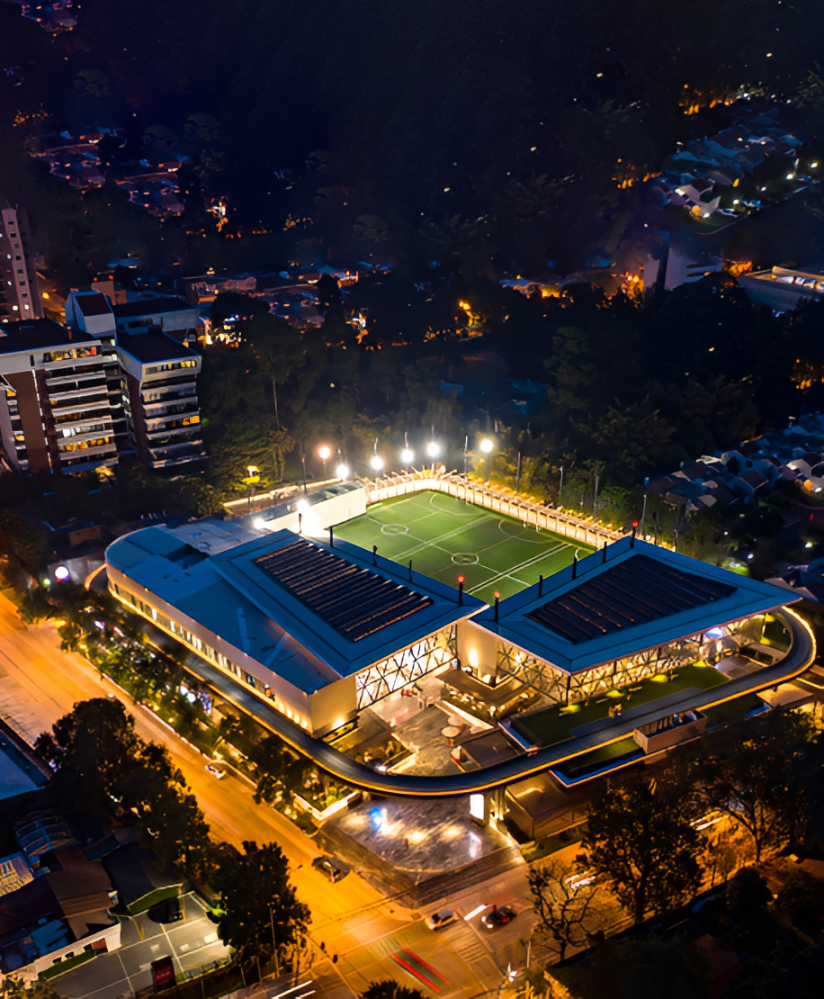
Construction officially began in April 2026 with the groundbreaking ceremony for Distrito Futeca, a development located between Zones 5 and 10 of Guatemala City.
According to Futeca Corporación, the project's developer, the complex represents one of the country's most ambitious private infrastructure investments in recent years.
The development will require an investment of US$350 million and will span more than 380,000 square meters over an estimated four-year construction period.
Once completed, Distrito Futeca will include a next-generation shopping center, an internationally branded hotel, and what developers describe as the largest multi-purpose venue in Guatemala.
Closing a long-standing infrastructure gap
According to the company, the project seeks to address one of Guatemala's structural competitiveness challenges: the lack of large-scale venues capable of hosting international concerts, conventions, and sporting events.
Developers estimate that this infrastructure gap has contributed to Guatemala losing more than 50 international events every year, as organizers have opted for destinations with suitable facilities.
During the groundbreaking ceremony, Javier Arzú, founder of Futeca Corporación, said the project represents "a commitment to Guatemala's future."
He explained that Distrito Futeca is intended to attract new investment, stimulate economic activity, and bring world-class events to the country while creating new opportunities for businesses operating nearby.
Local businesses expected to benefit from increased visitor spending
According to Futeca, the project is expected to generate sustained economic activity for surrounding neighborhoods by attracting visitors with higher purchasing power.
The anticipated increase in tourism is projected to benefit hotels, restaurants, transportation providers, retailers, and other local businesses through recurring demand generated by large-scale events.
The company's projections are supported by the economic performance of recent entertainment events across the region.
One example cited is the five-concert residency by Colombian artist Shakira in El Salvador in February 2026. According to official figures from the Salvadoran Presidency, the concerts attracted more than 144,000 attendees, significantly boosted hotel occupancy, and generated more than US$110 million in economic activity.
Mariana Yurrita, General Manager of Futeca Desarrollos e Inmobiliaria, said the development extends beyond entertainment.
"The project positions Guatemala as a destination capable of hosting world-class events while promoting cultural, social, and economic development," she said.

Private sector leaders see a catalyst for investment
For Juan Carlos Zapata, Executive Director of the Foundation for the Development of Guatemala (Fundesa), projects of this scale help strengthen investor confidence while generating indirect economic activity across multiple industries.
"A development of this scale, together with Arena Gallo, sends a very strong signal about private sector confidence in Guatemala," Zapata said.
He noted that Distrito Futeca's US$350 million investment, combined with more than 380,000 square meters of construction over four years, is expected to create approximately 1,500 direct jobs throughout the construction phase.
According to Zapata, however, the project's long-term value extends well beyond construction.
He explained that venues capable of hosting international events activate an entire value chain that currently remains underutilized in Guatemala.
"Each major event simultaneously generates demand for hotels, transportation, restaurants, retail, technical production, security, and logistics. A single event can generate between 800 and 2,000 temporary jobs," he said.
He added that these recurring visitor flows are expected to strengthen medium-sized and small businesses operating near the development rather than competing with them.
Foro Futeca aims to position Guatemala on the international events circuit
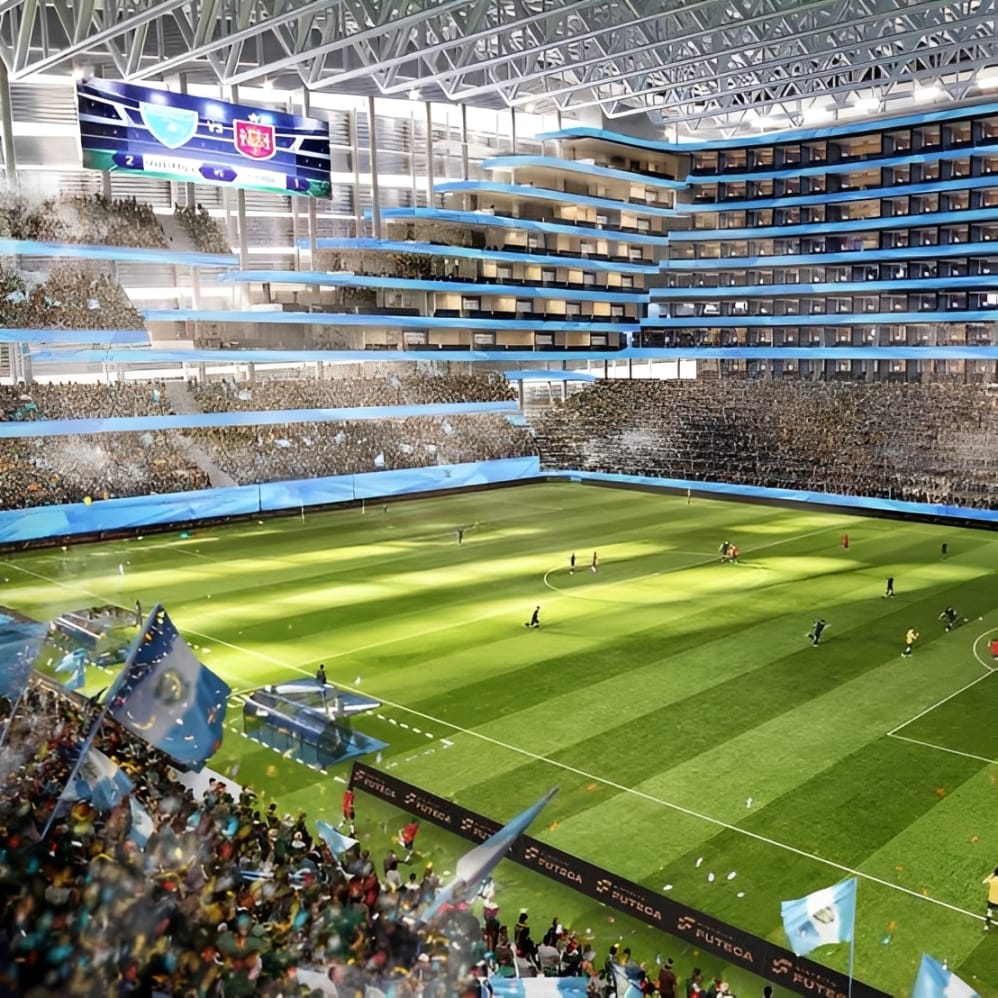
The centerpiece of the development will be Foro Futeca, a venue designed to accommodate up to 35,000 spectators in concert configuration.
According to the developers, the venue is intended to position Guatemala as a destination on the international entertainment circuit while leveraging the country's strategic location within Central America.
Fundesa's analysis highlights Guatemala as the region's most populous market and the country with the strongest air connectivity in Central America, factors that could attract visitors from across the isthmus and the Caribbean.
Developers also believe the new infrastructure will help retain spending that currently leaves the country when Guatemalans travel abroad to attend major concerts and events.
Infrastructure alone will not be enough
While Fundesa views Distrito Futeca as a significant step toward improving Guatemala's competitiveness, the organization argues that complementary public policies will be necessary to maximize its impact.
According to Zapata, private companies will need to adapt their operations to serve this emerging economic hub, while public institutions must provide long-term legal certainty.
"This type of investment addresses a structural competitiveness gap by providing large-scale infrastructure for international events," he said.
He added that reducing this gap would allow Guatemala to capture spending that currently flows to destinations such as San Salvador, San José, Panama City, and Mexico City.
Fundesa also emphasized that becoming a regional hub for entertainment tourism will require legal certainty, public security, efficient migration processes, and coordinated tourism promotion between the public and private sectors.
Zapata concluded that Distrito Futeca demonstrates the willingness of private capital to make long-term commitments when institutional conditions provide confidence, noting that investments involving 50-year agreements reflect sustained trust in the country's future.


