
Guatemala Projects 4% GDP Growth Under Proposed 2027 National Budget
Guatemala proposes a $23.7 billion budget for 2027, prioritizing infrastructure, security, education, and 4% GDP growth.
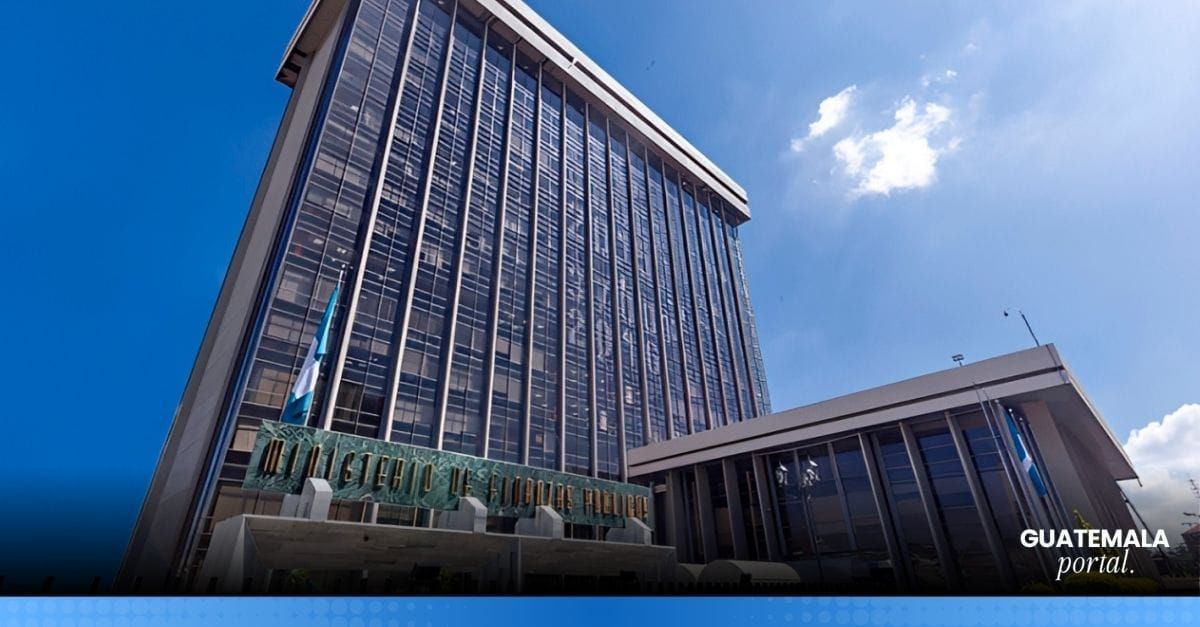
GDP growth of 4% and higher investment in infrastructure, security, and social development are at the center of Guatemala's proposed 2027 national budget, which would increase public spending by 7.5% compared to the current fiscal year.
Government projects higher spending with moderate fiscal deficit
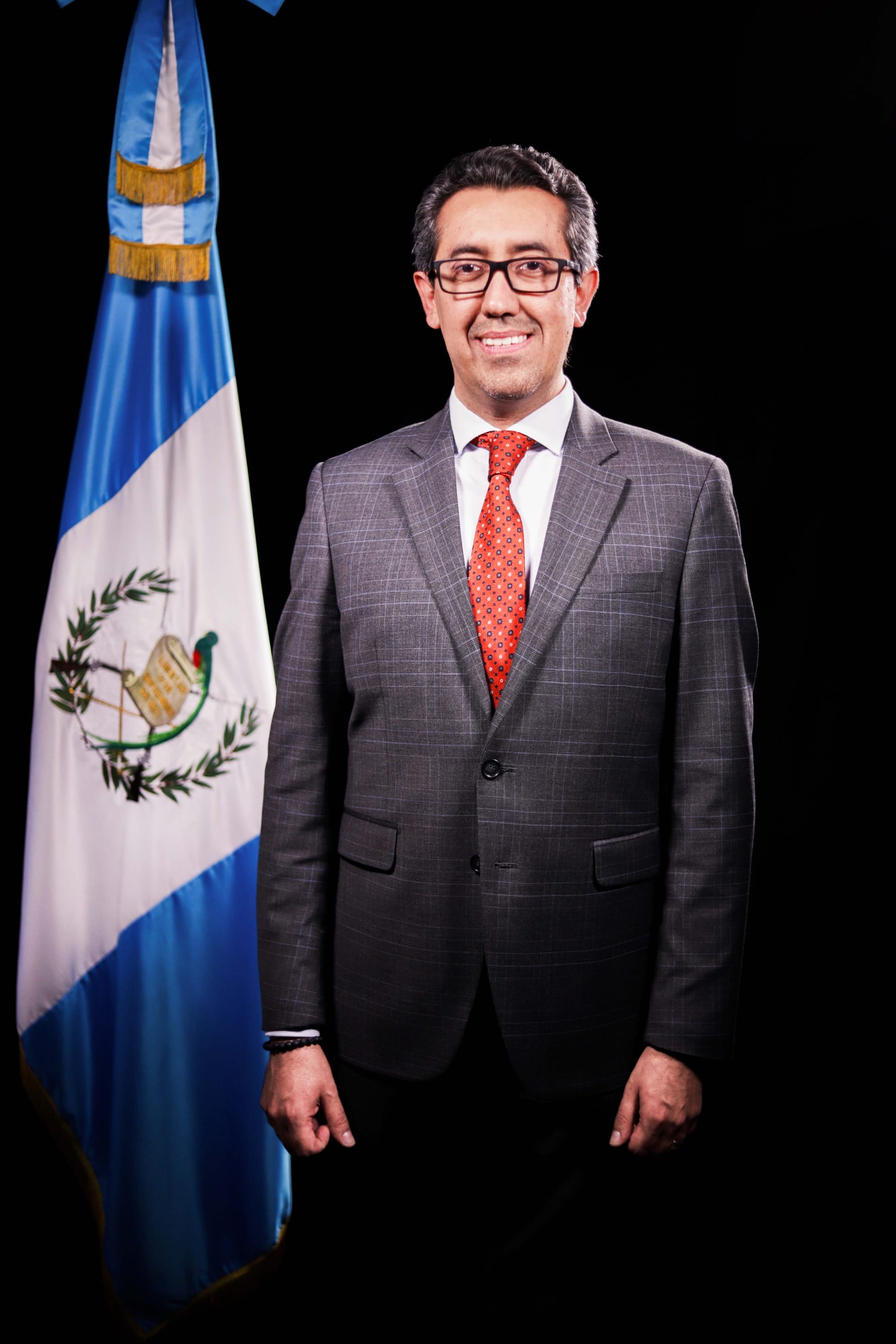
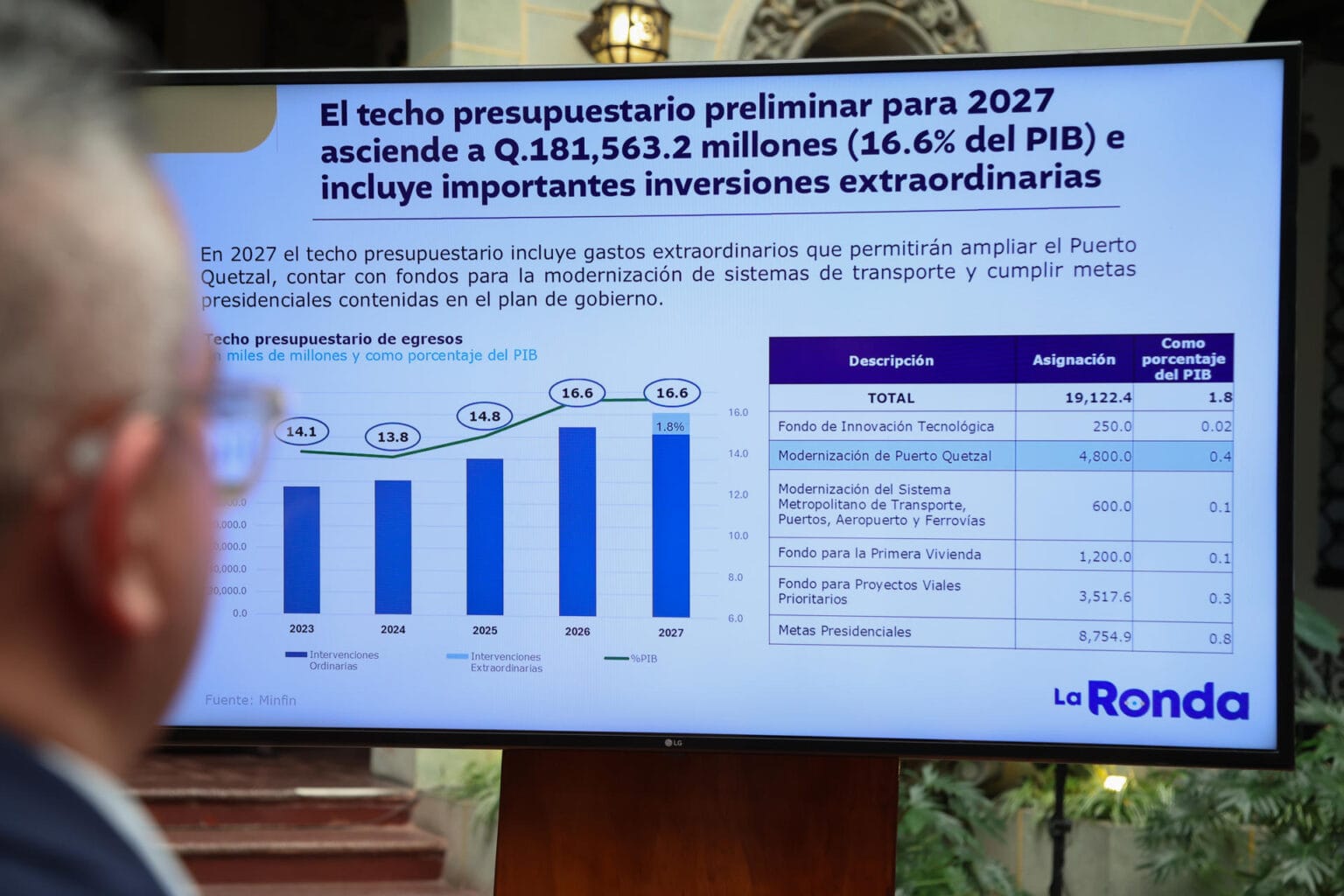
The Government of Guatemala presented a proposed national budget of 181.5632 billion quetzales (US$23.7 billion) for 2027. According to Minister of Public Finance Jonathan Menkos, the proposal is based on an expected economic growth rate of 4% and a fiscal deficit equivalent to 3.7% of gross domestic product (GDP), slightly below the 3.8% projected for 2026.
During the presentation, which was also attended by President Bernardo Arévalo, Menkos emphasized that Guatemala continues to operate with one of the smallest public budgets in both Central America and the world.
"It continues to be the smallest public budget in Central America and one of the smallest in the world, but we are making the best possible use of it," Menkos said.
The minister also stressed that the government will continue using public debt strategically and responsibly, noting that the country's public debt is projected to reach 27.9% of GDP by the end of 2027.
Tax revenue expected to increase without creating new taxes
The proposal estimates US$17.185 billion in tax revenues, which would raise Guatemala's tax burden to 12.1% of GDP.
According to Menkos, the increase is expected to result from higher productivity and stronger efforts to combat tax evasion, rather than the introduction of new taxes.
Infrastructure receives significant investment
The proposed budget includes extraordinary investments equivalent to 1.8% of GDP, with infrastructure projects receiving a substantial share of the allocated resources.
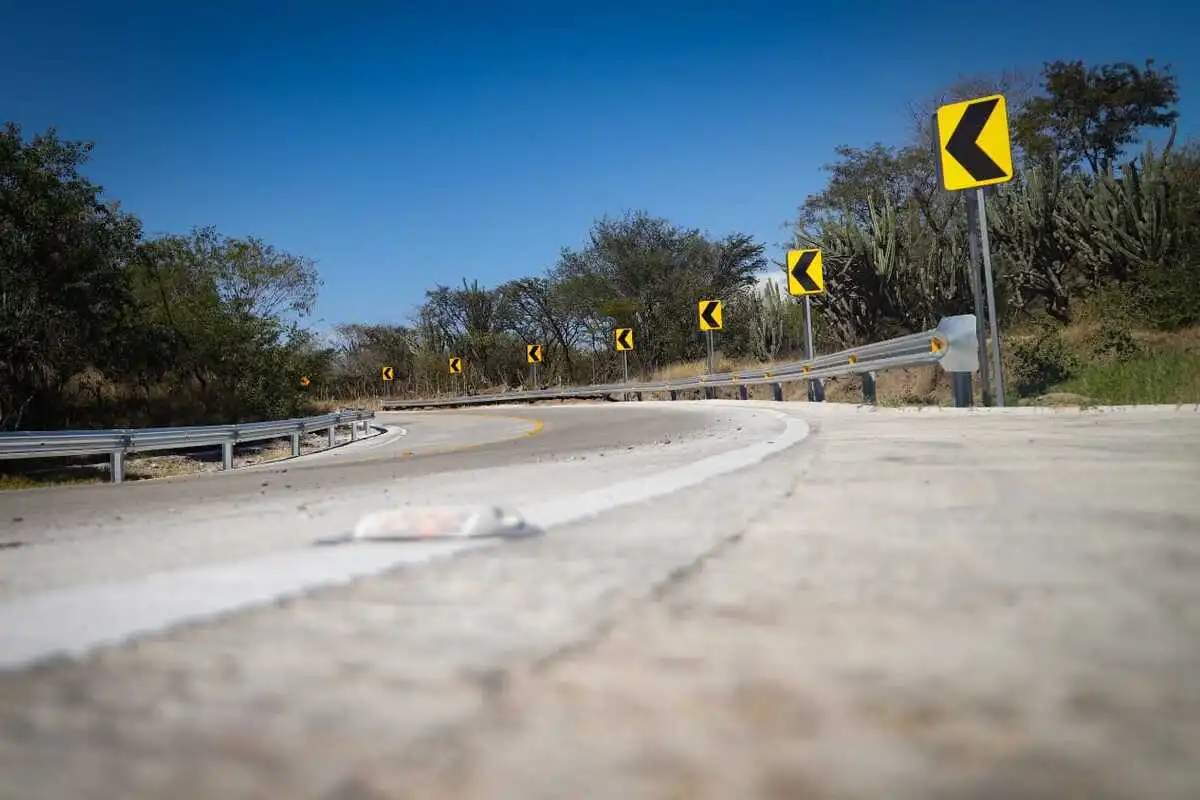
Among the largest planned investments are US$626 million for the second phase of the modernization and expansion of Puerto Quetzal, Guatemala's main Pacific port, and US$459 million for the Fund for Priority Road Projects.
These investments are intended to strengthen the country's transport and logistics infrastructure while supporting long-term economic development.
Education, healthcare, and security receive the largest allocations
Education would receive the largest share of government spending under the proposal, with an allocation of US$3.642 billion.
The Ministry of Public Health would receive US$2.430 billion, while the Ministry of the Interior, responsible for public security, is projected to receive US$1.369 billion.
These three sectors represent the government's primary spending priorities for the 2027 fiscal year.
Current budget execution remains on track
The current 2026 budget totals 168.7673 billion quetzales (approximately US$22.03 billion).
As of June 25, government spending had reached 70.0612 billion quetzales, representing 41.5% of the approved budget. Officials expect total execution to reach approximately 92% by the end of the year.
President Arévalo highlights transparency and development goals
During the presentation, President Bernardo Arévalo emphasized that public resources belong to citizens and should be managed responsibly to generate development opportunities.
"State budgets do not belong to the government; they belong to the nation, they belong to the people," Arévalo said.
The president added that his administration's transparent and efficient management seeks to transform public resources into opportunities for national development.
Budget proposal heads to Congress
Under Guatemalan law, the Executive Branch must submit the national budget proposal to Congress no later than September 2 each year for legislative review and approval.


