Congreso Deloitte 2026 Examines the Future of Tax Compliance in Guatemala
Deloitte's 2026 Congress explores AI-driven tax audits, global minimum tax rules and regulatory challenges facing businesses in Guatemala.
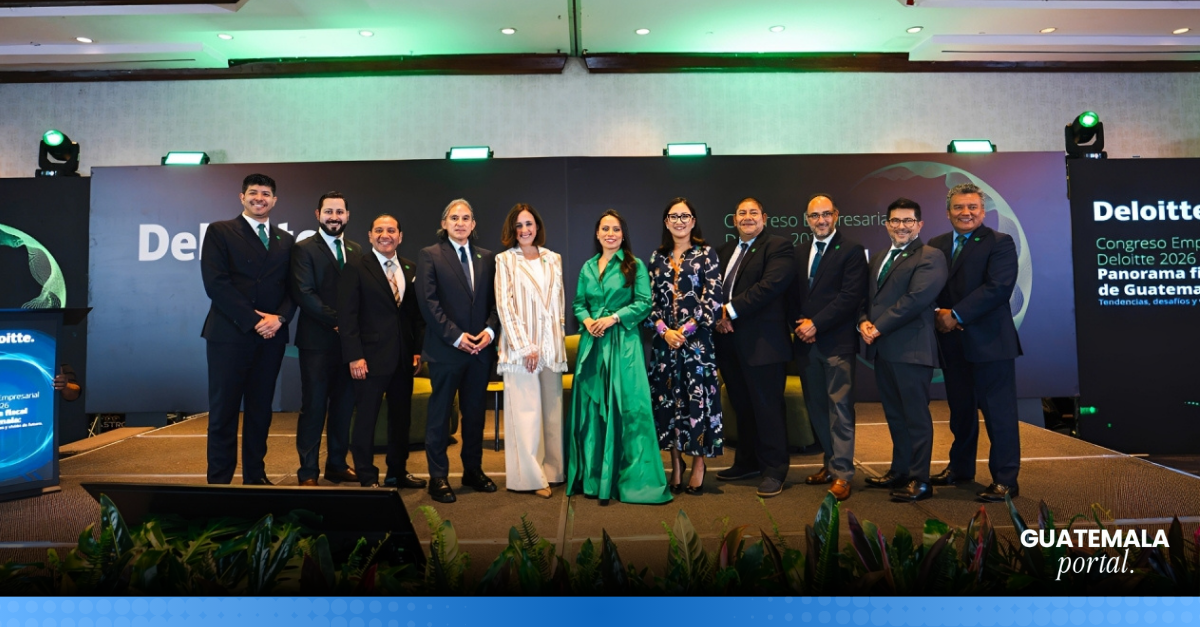
The Congreso Deloitte 2026 highlighted how artificial intelligence, predictive models and large-scale data analysis are transforming tax enforcement in Guatemala. During the event, specialists examined emerging fiscal and regulatory challenges and discussed how businesses can prepare for increasingly data-driven tax administrations.
AI Is Transforming Tax Audits and Risk Assessment
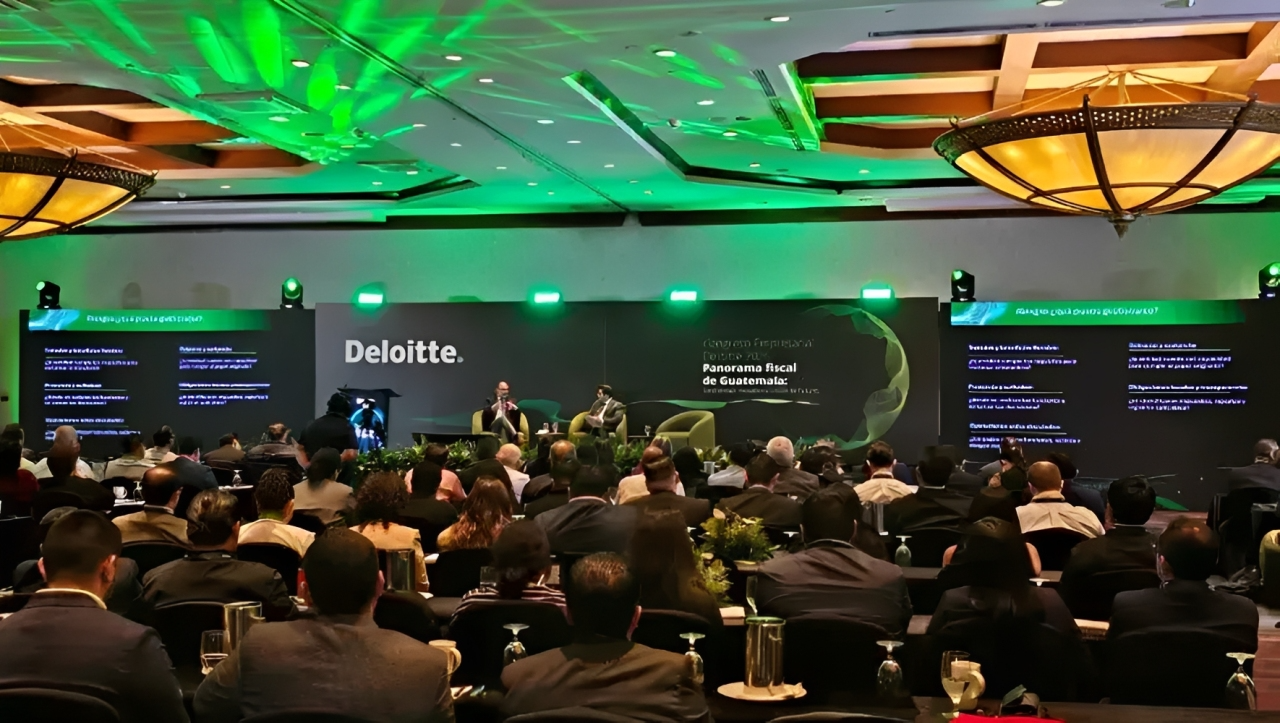
At the 2026 Business Congress: Guatemala's Fiscal Outlook, Trends, Challenges and Future Vision, national and international experts analyzed the changes expected to shape the business environment in the coming years.
One of the main topics was the growing use of technology by tax authorities to identify potential irregularities and determine which taxpayers should be audited.
Modern tax administrations are increasingly using tools that analyze transactions in real time, automatically cross-check information, detect inconsistencies and assign risk profiles through advanced algorithms. These capabilities allow authorities to process larger volumes of information and conduct more targeted assessments.
For businesses, this shift increases the importance of maintaining reliable data, strengthening internal controls and improving compliance procedures.
Deloitte Highlights Guatemala's Evolving Regulatory Environment
Beyond technological developments, the congress addressed several regulatory issues affecting companies operating in Guatemala and those with international operations.
Among the topics discussed were the OECD Inclusive Framework and Pillar Two, Guatemala's incorporation into the G20/OECD BEPS Inclusive Framework, the global minimum tax of 15% for multinational groups, and the challenges associated with the country's new Competition Law.
Experts also examined the growing requirements surrounding economic substance in international structures and emerging trends in tax disputes.
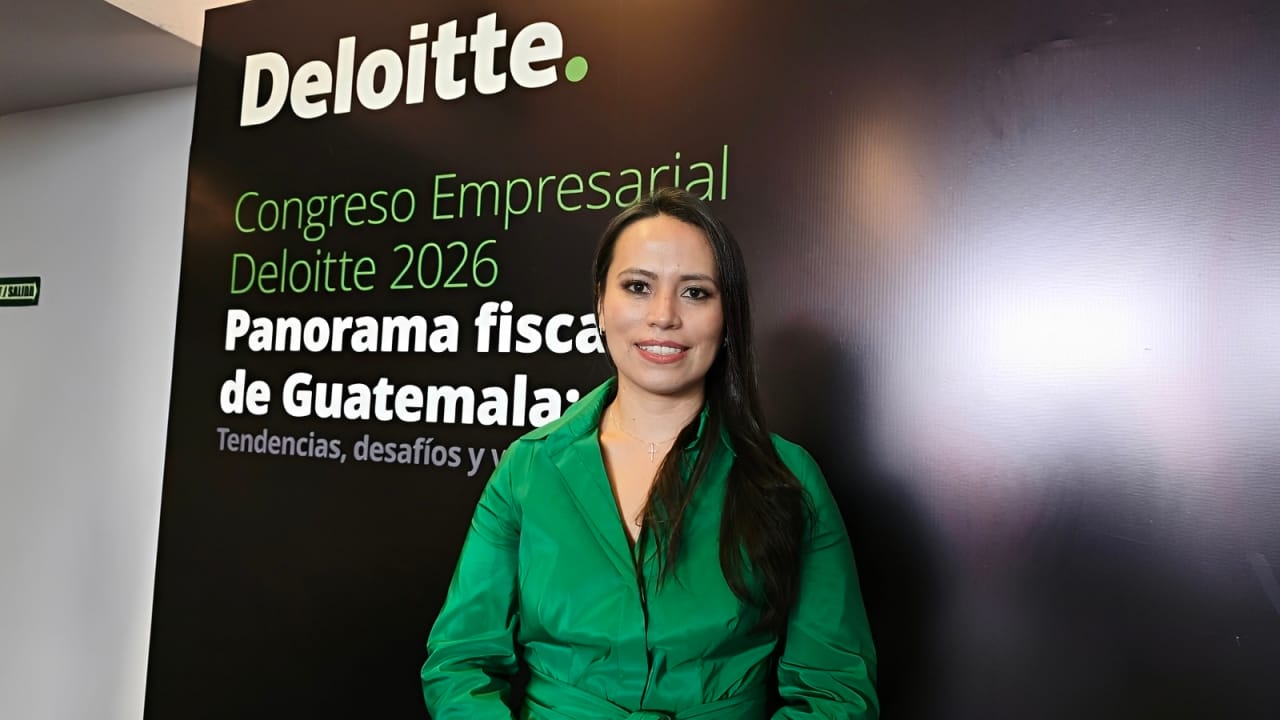
Ana Lucía Santacruz, Deloitte Guatemala's lead partner, emphasized the importance of preparing for these changes.
"Guatemala is taking important steps toward adopting international standards that are transforming how companies manage taxation, competition and regulatory compliance. Preparing for this new environment will be essential to strengthening business competitiveness and growth in the coming years," Santacruz said.
Tax Compliance Becomes a Strategic Business Priority
Another key takeaway from the event was the changing role of regulatory compliance within organizations.
Rather than treating compliance solely as a legal obligation, businesses increasingly need to approach it as a strategic factor that can help reduce risks, strengthen trust and improve competitiveness.
As tax authorities adopt more sophisticated analytical tools, companies must ensure that their information is accurate and their internal processes can withstand greater scrutiny.
The congress highlighted the importance of anticipating regulatory changes instead of responding only when new requirements or potential issues arise.
Deloitte Brings Business and Tax Experts Together
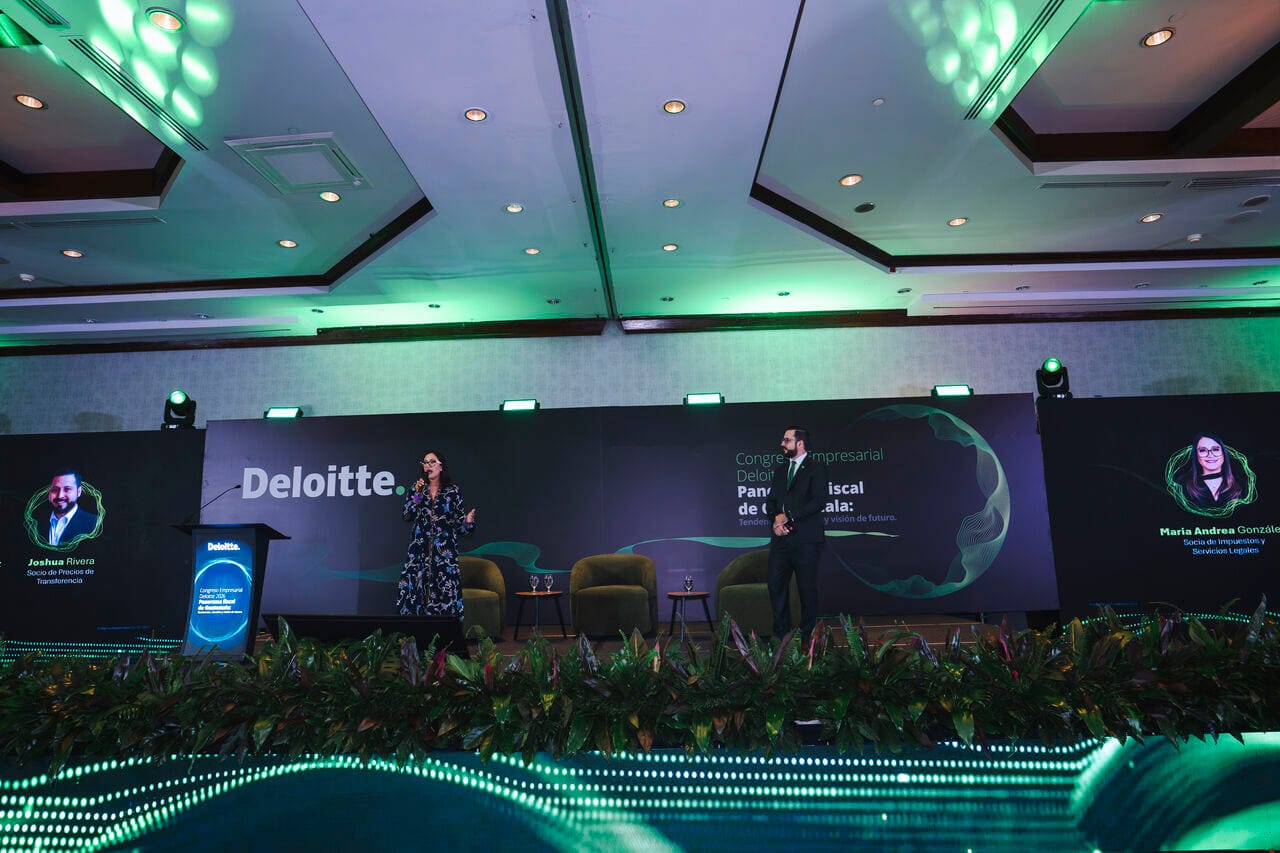
Through the congress, Deloitte brought together business leaders, tax specialists and legal experts to exchange knowledge, share best practices and provide organizations with tools to prepare for upcoming changes.
The discussions addressed the intersection of taxation, technology, competition and international business structures, reflecting the range of issues companies must consider as Guatemala moves toward greater alignment with international standards.
The event underscored the importance of strengthening compliance practices and adapting business strategies to an environment increasingly shaped by data-driven oversight and evolving regulatory requirements.