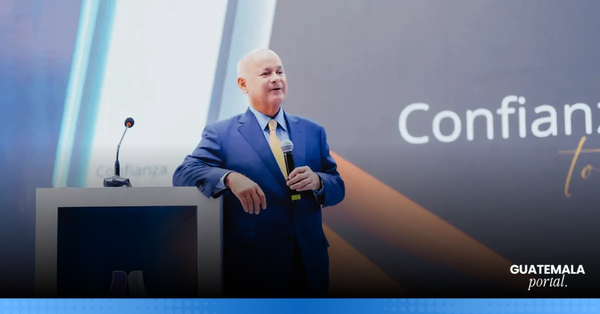
UNIS Opens Business Center Banco Industrial to Train Guatemala's Future Executives

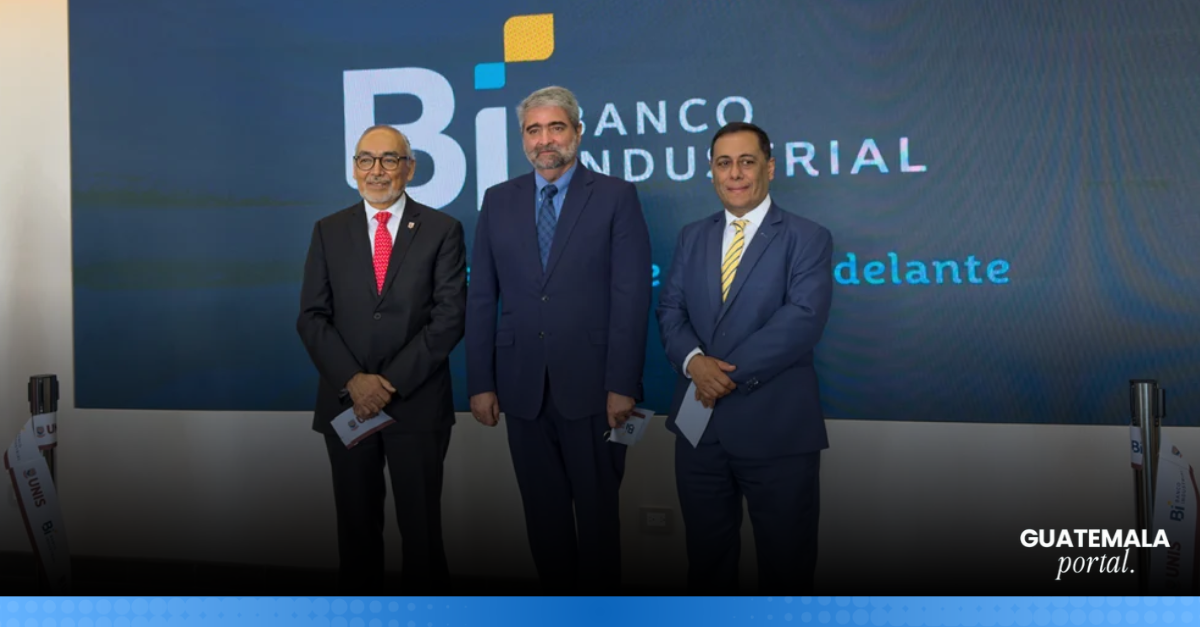
Universidad del Istmo has opened the Business Center Banco Industrial. In this new academic space, students analyze real business cases and test financial decisions through a partnership linking a private Guatemalan university with the country's largest banking group.
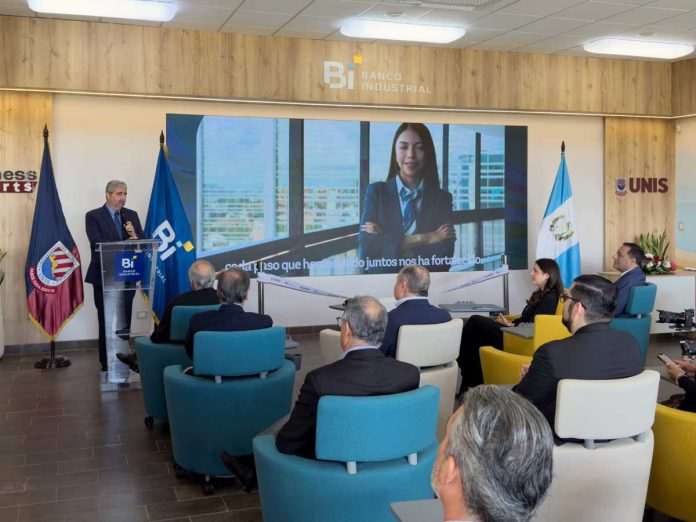
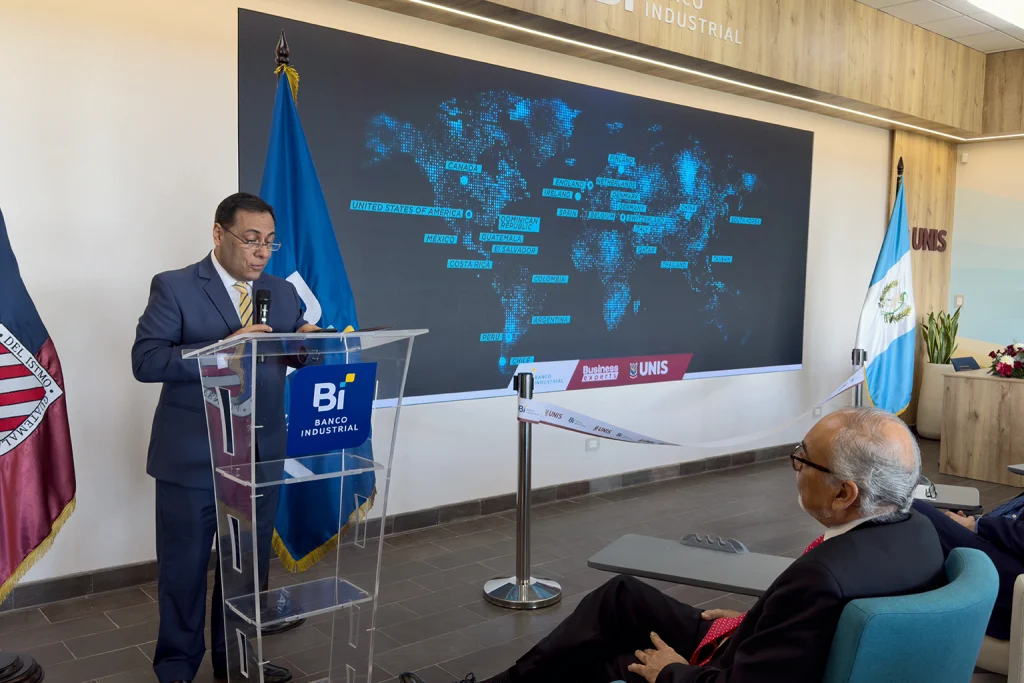
The center was developed with support from Banco Industrial and inaugurated in a ribbon-cutting ceremony attended by university authorities and bank representatives, who toured the new facilities.
🏦 Banco Industrial fortalece su compromiso con la educación y la formación empresarial con la inauguración del Business Center Banco Industrial en la Universidad del Istmo (UNIS).
— Canal Antigua (@CanalAntigua) November 11, 2026
🎓 El espacio busca acercar a los estudiantes al mundo empresarial, mediante herramientas para… pic.twitter.com/UZaRgAgAVG
Learning Through Real Business Decisions
The Business Center is designed to move financial education beyond theory. Students use the space to analyze real business cases, apply their financial knowledge, evaluate different scenarios, and develop proposals that show the consequences of strategic decisions.
The goal is to strengthen practical learning and professional judgment, preparing graduates to make decisions with a strategic, global, ethical, and responsible perspective- skills that employers increasingly expect from new hires in finance, management, and consulting roles.
"At UNIS, we aspire for our students to be not only excellent professionals, but also good people," said Francisco Mejía, rector of Universidad del Istmo.
Roberto Ardón, corporate affairs manager at Banco Industrial, said collaboration between academia and the business sector "is key to training well-prepared professionals."
A Bank Invested in Talent
The project fits into Banco Industrial's broader work on education and entrepreneurship. Through Fundación Bi, the group runs a university scholarship program that supports talented students from several departments, helping young people from outside the capital access higher education. In 2025, its Academic Talent program awarded scholarships to 13 students from departments such as Baja Verapaz, Sololá, and Chiquimula. The bank has also backed initiatives aimed at supporting Guatemalan entrepreneurs.
Banco Industrial is Guatemala's largest banking group and one of the most important financial institutions in Central America, with more than 11,500 employees and a network of over 12,300 service points, including branches, banking agents, and ATMs.
Earlier this year, the bank closed a landmark USD 850 million financing package with the International Finance Corporation, combining a subordinated loan with a bond issue in international capital markets. The funds are earmarked for lending to micro, small, and medium-sized enterprises, with a focus on women-led businesses. Orders for the subordinated debt far exceeded the amount offered. CEO Luis Lara Grojec said the deal reflects the bank's commitment to "continue supporting and empowering entrepreneurs."
Investments in both credit and talent reinforce each other. Businesses need financing to grow, but they also need professionals who can analyze risk, structure projects, and manage capital efficiently. Training future executives to make sound financial decisions helps build that capacity from the classroom.
Why Academia-Business Partnerships Matter
Guatemala's economy depends heavily on small and medium-sized firms, which generate the majority of employment. As these companies grow and seek access to formal credit and new markets, demand rises for professionals trained in finance, strategy, and governance.
Partnerships like the one between UNIS and Banco Industrial help close the gap between what universities teach and what companies need. By working with real cases, students gain exposure to the decisions they will face in the workplace, from evaluating investments to managing risk, before they graduate.
For the financial sector, the benefits are long-term. Banks rely on a steady pipeline of analysts, risk managers, and relationship officers who understand both numbers and context. Contributing to that pipeline strengthens the talent base for the entire industry and supports better decision-making in the companies that banks finance.
Such collaborations also send a positive signal to international investors evaluating Guatemala. A well-prepared workforce with strong financial and analytical skills is a key factor for companies considering expansion or nearshoring operations in the country, particularly in finance, shared services, and professional services.
With the opening of the Business Center Banco Industrial, UNIS and the bank are betting that hands-on learning will produce graduates ready to contribute from day one, and that stronger financial talent will translate into a more competitive Guatemalan business community.
Source: Soy 502