INTECAP Joins National Tour to Bring 3,000 Guatemalan SMEs Online With AI


Guatemala's technical training institute, INTECAP, has joined a national tour that aims to help more than 3,000 small and medium-sized businesses build their own websites, sell online, and put artificial intelligence to work in their daily operations, free of charge.
The 1st National SME Tour on Web Creation and Artificial Intelligence is led by Kolau, a digital platform that has partnered with governments and multilateral organizations across the Americas to bring small firms into e-commerce. INTECAP joins as a strategic ally, alongside the Ministry of Agriculture, Livestock and Food, municipal governments, and other national and international institutions. The effort is part of a broader national plan for SME adoption of AI and e-commerce.
Three Days, Three Cities
The tour runs Nov. 18 to 20. The first stop is Villa Nueva, followed by sessions on Nov. 19 at INTECAP's Zone 5 campus and the MuniTec center in Zone 3 of Guatemala City. The final session takes place Nov. 20 at the Spanish Cooperation Training Center in La Antigua Guatemala.
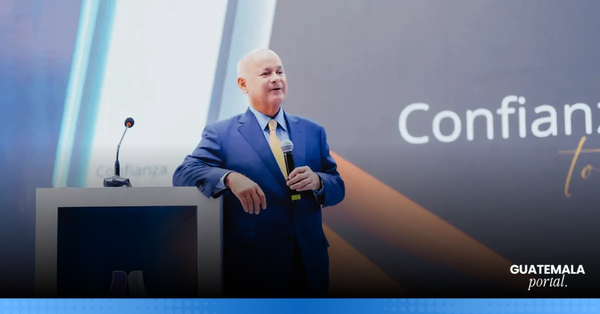
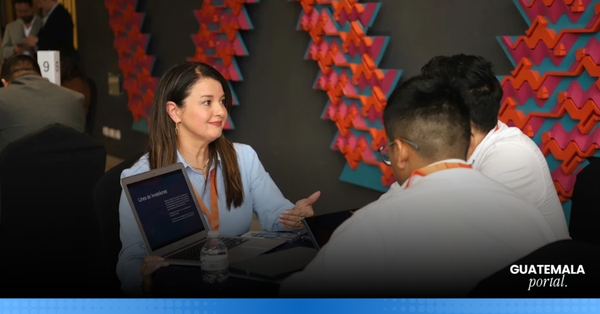
Each session lasts about two hours and is led by Danny Sánchez-Mola, Kolau's founder and CEO. Participants leave with a working website equipped with e-commerce tools, practical ways to add AI to their processes, and strategies to improve their visibility online. Sessions are in person, open to every economic sector, and require no technical knowledge.

Why INTECAP's Role Matters
INTECAP's participation links the tour to the country's national technical training institute. By bringing digital and AI skills into its network, the institute aims to strengthen employability, raise business productivity, and open growth opportunities for companies that have not yet moved online.
That reach is important. For businesses that still sell only in person, a website and an online store give them access to customers beyond their neighborhood, help them accept digital payments, and create a base for more advanced tools, from automated customer service to AI-generated product descriptions.
For owners with limited time and budgets, the format lowers the main barriers to adoption. There is no cost, no need for programmers, and no long courses: the goal is for participants to leave each session with something they can use the next day.

A Model Proven Across the Region
The initiative builds on a program Kolau launched with the Organization of American States in 2019, which the company says has brought more than one million businesses across the continent into e-commerce. Recent national tours in Costa Rica and Honduras each set records, with more than 1,000 SMEs creating online stores in a single campaign.
Guatemala's edition arrives at a moment when small businesses are under pressure to digitize. Micro, small, and medium-sized enterprises make up the vast majority of Guatemalan companies and generate most of the country's jobs, yet many have yet to adopt digital sales channels and modern management tools.
The private sector and international lenders are also directing more resources to this segment. Earlier this year, the International Finance Corporation backed a landmark financing package with Banco Industrial earmarked for MSME lending, citing Guatemala's nearly 370,000 MSMEs as a key engine of employment.
Building Digital Skills for Growth
Training programs like this one complement access to credit. Financing helps a business buy equipment or inventory, but digital skills determine whether it can reach new customers, manage orders efficiently, and compete with larger players that already sell online.
AI adds another layer. Tools that once required specialized staff, such as writing marketing copy, analyzing sales data, or answering customer questions, are now within reach of a small shop owner with a smartphone. Learning to use them safely and productively can translate directly into time saved and revenue gained.
By combining INTECAP's national training network with Kolau's experience in rapid digitization, the tour offers Guatemalan entrepreneurs a practical first step into the digital economy, one that can help small firms grow, formalize, and compete in a market increasingly shaped by e-commerce and artificial intelligence.
Source: dpl News