Guatemala's National Export Award Spotlights Fogel, SISAP and Plantaciones Nahualate

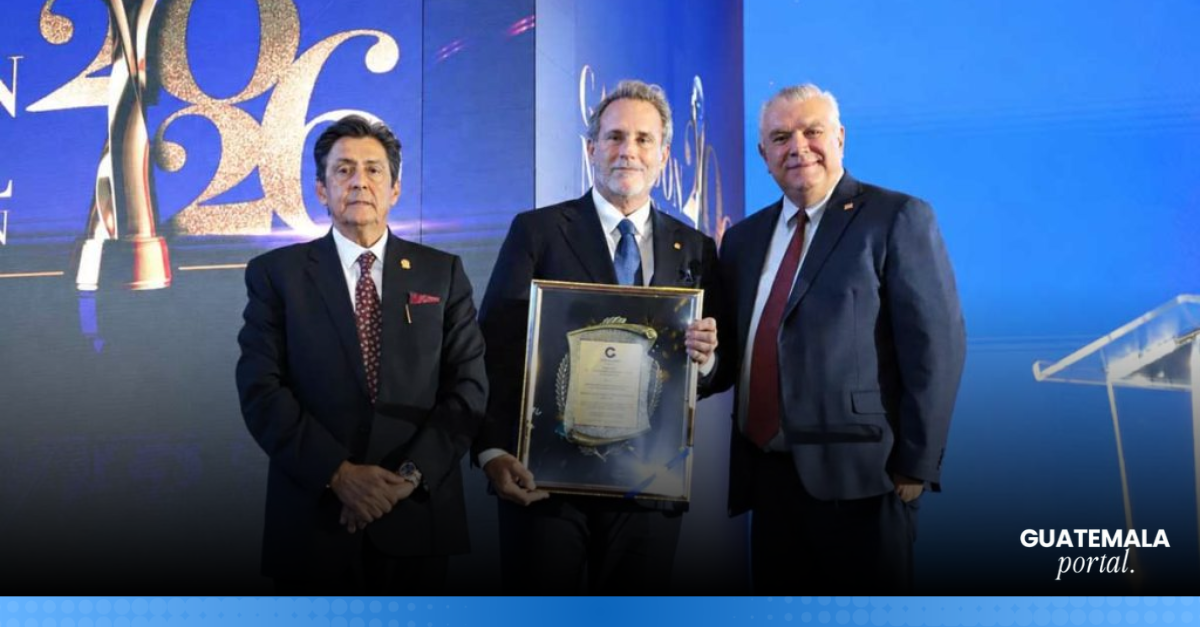
Refrigeration manufacturer Fogel de Centro América was named Exporter of the Year 2026 at Guatemala's National Export Award. This recognition highlights how local companies are turning technology, quality standards, and long-term relationships into a stronger presence in global markets.
The AGEXPORT gala, held Oct. 29 at the Westin Camino Real convention center in Guatemala City, marked the 38th edition of the award. Twelve finalists competed across three sector categories under the theme "Connecting exports, transcending borders." Members of the National Export Promotion Council, chaired by the Ministry of Economy, attended alongside private-sector leaders.

Three Sector Champions
Fogel won the manufacturing, apparel, and textiles category before a jury chose it as Exporter of the Year from among the three sector winners. Since 1981, the company has designed commercial refrigeration equipment that now reaches more than 35 countries. Its profile stands on accredited laboratories, natural refrigerants, and high-efficiency technology, features that matter to buyers seeking lower energy consumption and compliance with stricter environmental rules. Jacobo Tefel serves as CEO.
In the services, contact center, and BPO categories, the award went to Sistemas Aplicativos, known as SISAP. Founded in Guatemala more than four decades ago, the firm provides cybersecurity services in 12 countries through three AI-enabled security operations centers that run around the clock. Its training institute also prepares specialized talent free of charge, helping widen the country's pool of cybersecurity professionals.
Plantaciones Nahualate took the agriculture, aquaculture, and fishing category. With three decades of operation, the company ships bananas, mangoes, limes, cassava, seeds, and processed foods to Europe, North America, and the Caribbean. It protects forest land on its properties and offers employees on-site health services and access to credit.
The jury also gave honorable mentions to El Gigante Coffee, Avícola Kikiriki, and Servicios Visualiza.

Women, First-Time Exporters, and Tourism
Beyond the sector categories, AGEXPORT honored individual and institutional contributions. Ingrid Carolina Juárez Brenner, president of EXPROGUASA, was named Woman Exporter 2026. A pioneer in ornamental plants since 1987, she has taken Guatemalan products to five continents in a sector traditionally led by men, while supporting education, health, and housing projects.
The My First Export award went to Mascotas de Lana, founded by Cristina Sánchez. The company sells crocheted figures in Spain and the United States, made largely by Guatemalan artisans, many of them mothers working from home. The tourism institute INGUAT received the Support Institution award for promoting the country's image abroad.

A Push to Close the Competitiveness Gap
AGEXPORT used the stage to call for faster progress on the country's competitiveness agenda. "Guatemala's potential is much greater than the speed at which it is growing," said Francisco Ralda, president of the association's board. He identified four priorities: critical road infrastructure, port efficiency, energy costs, and simpler procedures.
"We value the progress, but now comes the most important part," Ralda added.
The awards arrive as Guatemalan exports gain momentum. According to AGEXPORT director general Amador Carballido, goods exports reached USD 11.4 billion through August 2026, up 6.2% from the same period a year earlier.
The winners also reflect the country's diversification. A cybersecurity firm, an industrial manufacturer, and a tropical fruit grower now sit side by side at the top of the national export ranking, a sign that Guatemala's offer extends well beyond its traditional commodities into technology-intensive services and value-added manufacturing.
For international buyers and investors evaluating Central America as a nearshoring base, companies like Fogel and SISAP demonstrate that Guatemalan firms can meet global standards, scale across dozens of markets, and compete on innovation rather than cost alone. Small exporters such as Mascotas de Lana, meanwhile, show how handcrafted products can open new income streams for rural communities and women-led households.
As the private sector presses for improvements in roads, ports, and energy, this year's honorees offer a clear picture of what Guatemalan exporters can achieve when productivity and market access move in the same direction.
Source: Revista Summa