Castillo Hermanos Wins Top Sustainability Award for Nutrition Program in Huehuetenango

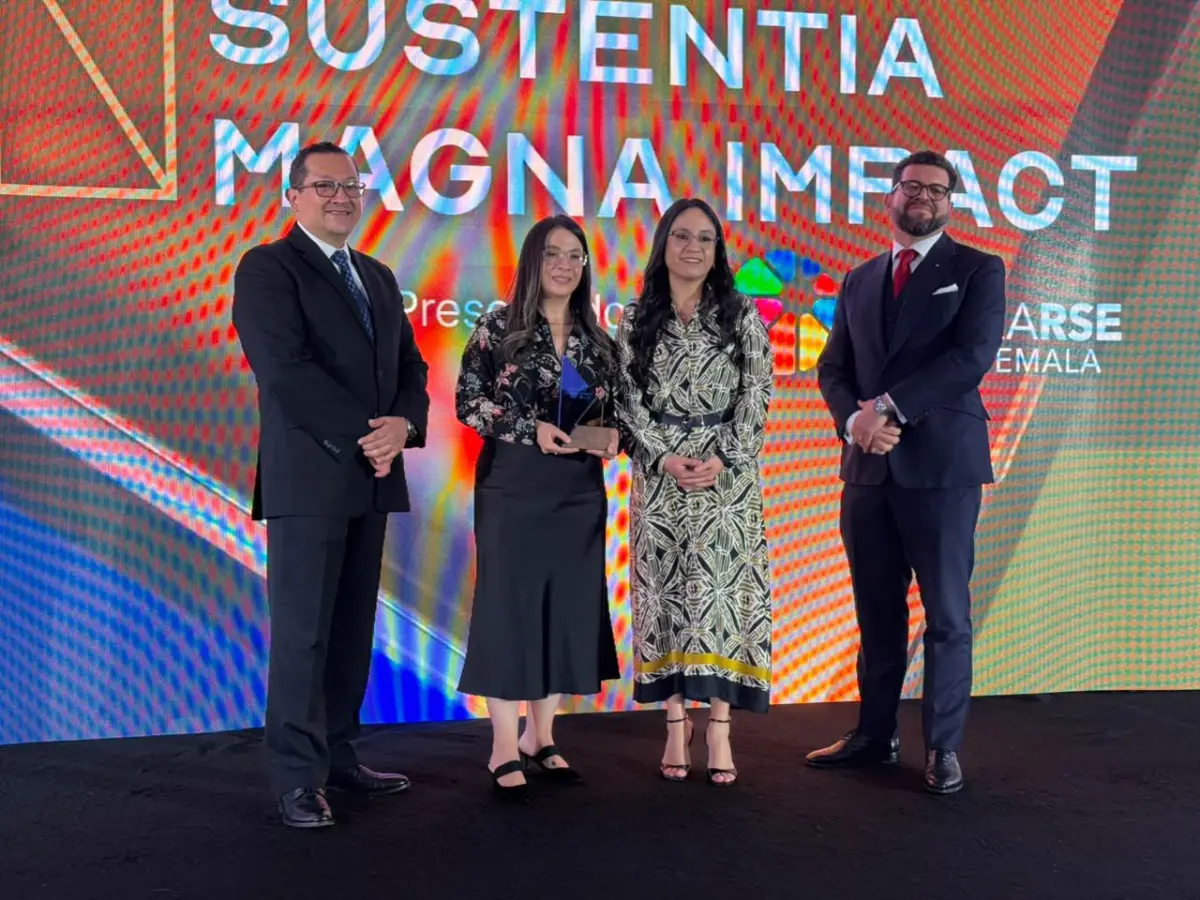
Castillo Hermanos, one of Guatemala's oldest business groups, received the top honor at the Sustentia Magna Impact 2026 awards for a nutrition program that has sharply reduced acute malnutrition among young children in Huehuetenango, along with a second award for its ethics and transparency practices.
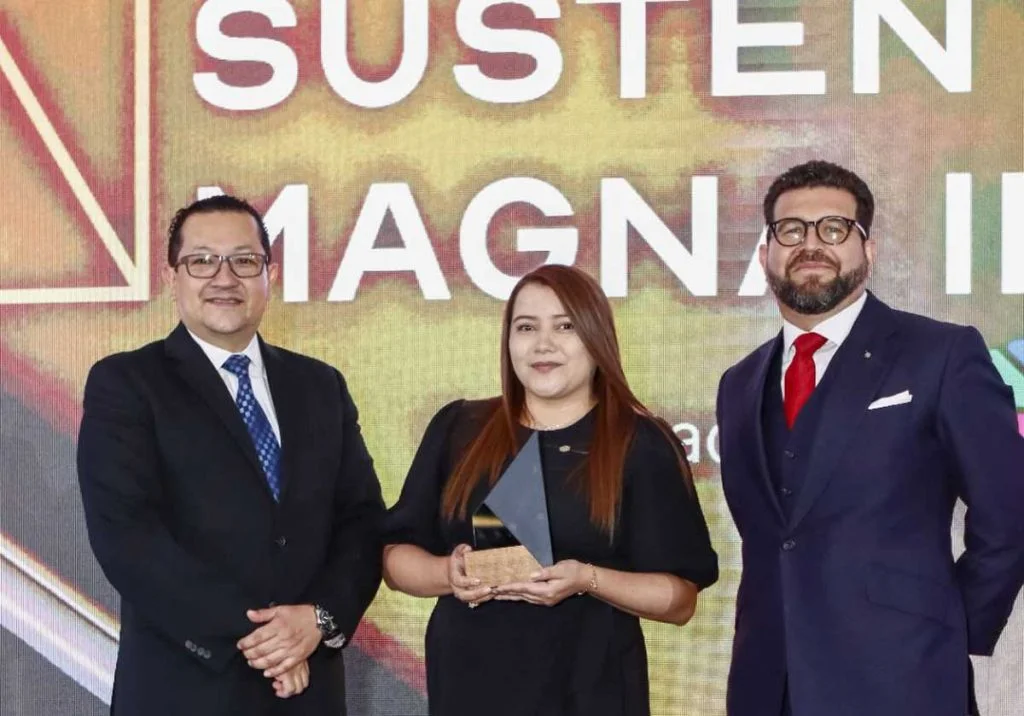
The group's initiative, Guatemaltecos por la Nutrición, won the Grand Prix as the highest-rated project among 51 initiatives that competed this year. It was also recognized in the category of human development and strategic social investment. Separately, the company earned the ethics, transparency, and trust award for its responsible practices with employees, leaders, and suppliers.
🏆🌱 #EmpresasGT | Castillo Hermanos recibió tres reconocimientos en los Sustentia Magna Impact 2026, impulsados por CentraRSE. La empresa obtuvo el primer lugar en Desarrollo Humano e Inversión Social Estratégica, el Grand Prix de Impacto Social y Desarrollo Humano, y una… pic.twitter.com/dNWYFIlSyh
— CENTRANEWS (@CentraNewsGT) November 7, 2026
Measurable Results in Huehuetenango
Guatemaltecos por la Nutrición was founded four years ago to fight hunger and malnutrition, with its main focus in the department of Huehuetenango, in the country's western highlands, about 300 kilometers northwest of Guatemala City. The program reports that acute malnutrition among children under five in its area of intervention fell from 6% to 0.38%.
The initiative uses an integrated model built on six areas: health, nutrition, water and sanitation, access to food, early childhood development, and stronger family economies. Rather than delivering a single type of aid, the approach targets the multiple causes that keep families in a cycle of poor nutrition and limited income.
"It motivates us to keep driving comprehensive solutions," said José Silva, executive director of Guatemaltecos por la Nutrición.
Ethics as a Business Asset
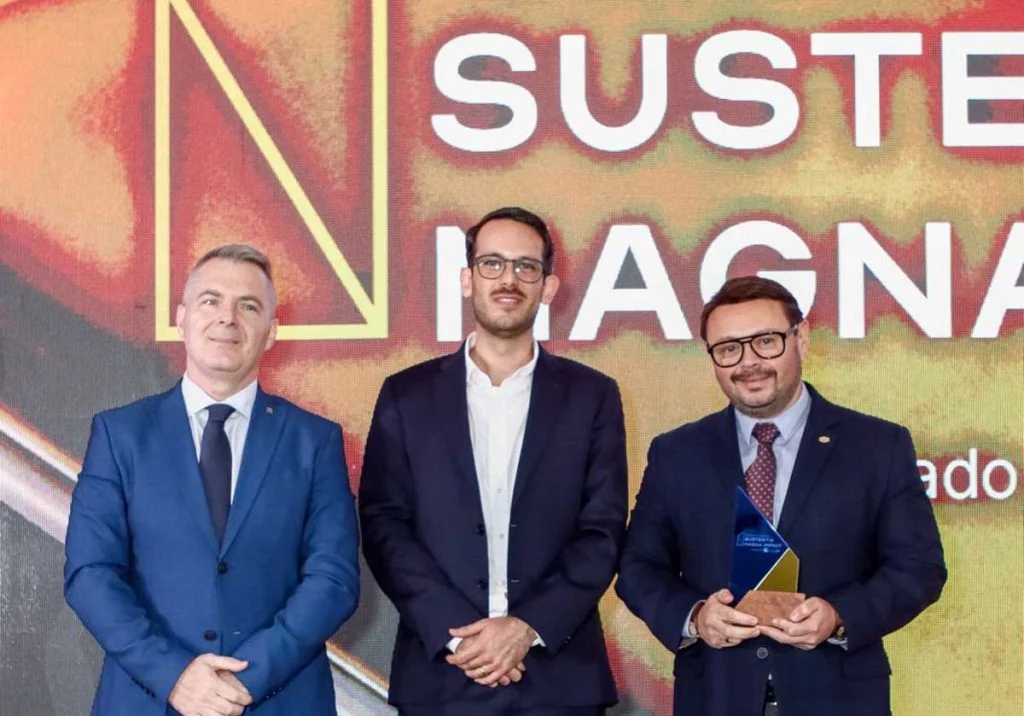
The second recognition highlights governance inside the company. The ethics, transparency, and trust award evaluates how organizations build integrity into their relationships with staff, management, and their supply chain.
"We are proud that our ethics-strengthening programs are recognized," said Hernán Herrera, corporate compliance and ethics manager at Castillo Hermanos.
For a group with a long history in the Guatemalan market and operations that reach beyond the country's borders, strong compliance practices support relationships with international partners, lenders, and investors, many of whom now require clear evidence of ethical conduct across the value chain.
A Platform for Responsible Business
Sustentia Magna Impact was created by CentraRSE, the Guatemalan business coalition that promotes corporate social responsibility, as a platform to identify and showcase initiatives with positive social, environmental, and governance impact. Its categories cover social impact and human development, environmental impact and sustainable innovation, and purpose-driven companies with responsible governance.
An independent jury of subject-matter experts evaluated projects on impact, innovation, sustainability, value creation, and replicability. Production and the validation process were handled by Siete Zero, which did not take part in jury decisions. Applications ran from August to early October, and the winners were announced at a gala in November.
Juan Pablo Morataya, executive director of CentraRSE, has said that companies "have the capacity to become agents of transformation for society." Connie de Paiz, president of the organization's board, has emphasized that sustainable development requires leadership and a long-term vision.
Why It Matters for Guatemala's Competitiveness
Chronic and acute malnutrition remain among Guatemala's most pressing development challenges, with lasting effects on health, education, and future productivity. Private-sector programs that show measurable results add capacity to public efforts and offer models that can be replicated in other regions of the country.
The recognition also reflects a broader shift in how Guatemalan companies approach sustainability. Rather than treating social programs as charity, leading business groups increasingly frame them as investments in human capital, community stability, and long-term market growth. Healthier children grow into a more productive workforce, and stronger local economies expand the customer base for national companies.
For investors and international partners, awards based on independent evaluation and replicable results provide a useful signal of corporate maturity, showing that governance and social impact are becoming part of how Guatemalan firms compete.
With its program in Huehuetenango delivering documented improvements and its compliance practices earning recognition, Castillo Hermanos offers a clear example of how a long-established business group can align profitability with measurable social progress in Guatemala.
Source: Revista Summa