Top 10 Most Prominent Leaders in Guatemala on LinkedIn
Discover 10 Guatemalan business leaders shaping regional influence across Central America through corporate expansion, entrepreneurship, and innovation.


Guatemala, the largest economy in Central America, is now exporting more than coffee, sugar, and cardamom: it is exporting business leadership. Behind brands that cross borders is a group of executives, entrepreneurs, and founders who have turned ideas into platforms for regional expansion. This profile highlights ten of these figures: third- and fourth-generation corporate leaders, presidents who have reinvented global franchises, and a new generation of entrepreneurs redefining what “power” means in Guatemala’s business ecosystem.
The common thread is clear: all of them have moved beyond the local market to become influential figures across Central America and, in several cases, Latin America. According to the Contexto Digital Guatemala 2026 study, these are the 10 leading figures standing out regionally and expanding Guatemala’s corporate influence across the region.
Juan José Gutiérrez Mayorga: The Heir Who Took Campero Global
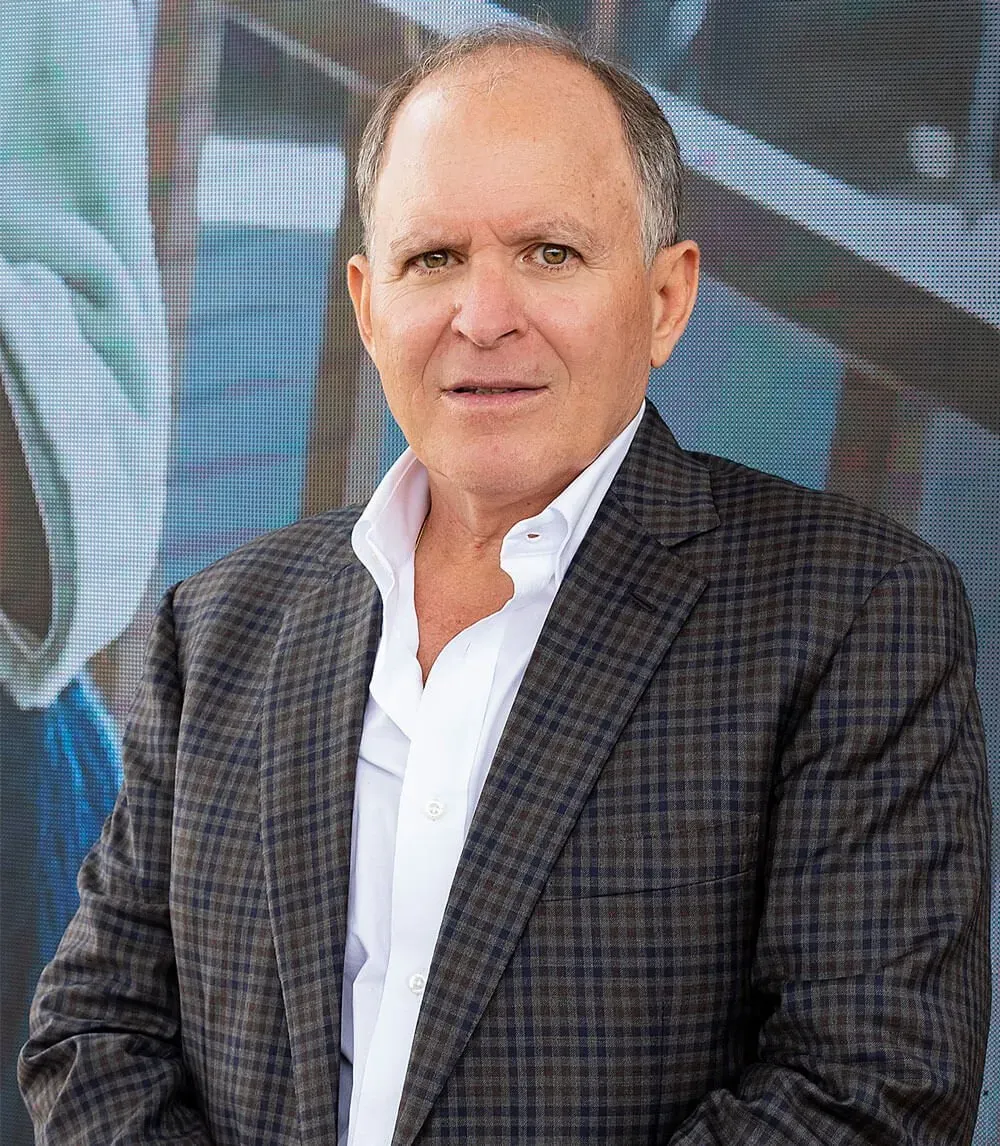
Few Central American business stories are as recognizable as Pollo Campero, and behind its expansion is Juan José Gutiérrez Mayorga, Chairman of CMI Alimentos, the food business division of Corporación Multi Inversiones (CMI). Born in 1958, he represents the third generation of a business dynasty founded in 1920 by his grandfather, Juan Bautista Gutiérrez, and has led the expansion of brands such as Pollo Campero, Molinos Modernos, Pastas Ina, and Galletas Gama for more than 40 years.
Under his leadership, Pollo Campero went from being a Guatemalan icon to becoming one of the world's largest Latin American-origin restaurant chains, with more than 450 locations across eight countries. His influence extends beyond the restaurant industry: he serves as vice president of PRONACA in Ecuador and Toledano in Panama, and since January 2025 has chaired the board of Del Real Foods in the United States, expanding CMI's reach into the North American market.
He is also part of the Juan Bautista Gutiérrez Foundation, which promotes education, nutrition, and health programs in the countries where CMI operates, reinforcing the company's social responsibility profile.
Álvaro Cofiño: The Architect of “Happy People”
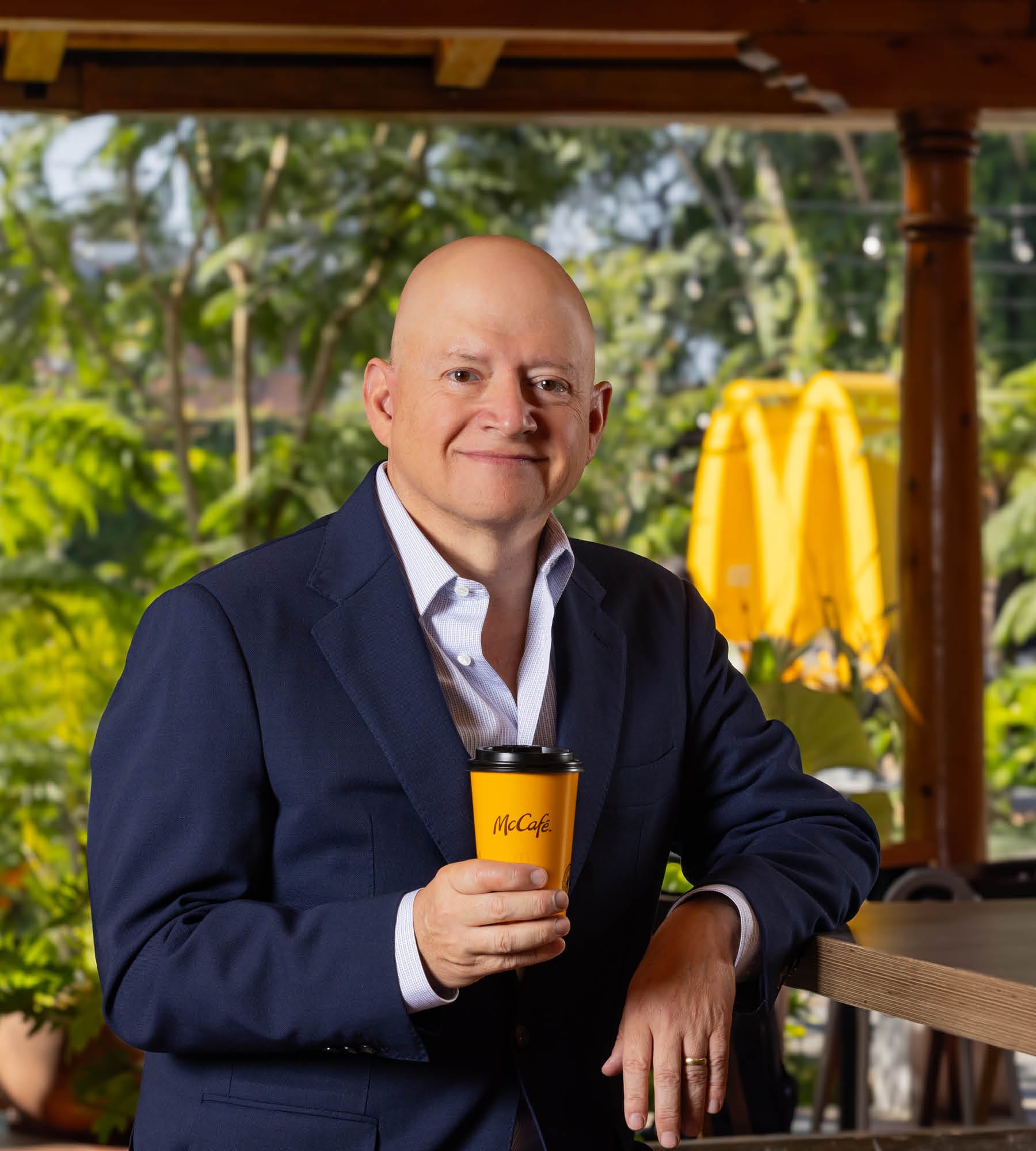
Álvaro Cofiño joined McDonald's Guatemala in 1983, shortly after graduating from university, and rose from operations supervisor to become president of McDonald's Mesoamerica, a position he has held since 2009. With a degree in Business Administration from Universidad Rafael Landívar and a master's degree from INCAE Business School in Costa Rica, Cofiño transformed an operation that initially had just two restaurants in Guatemala into a network of 160 locations across Guatemala, Honduras, El Salvador, and Nicaragua.
His management philosophy revolves around a concept that sounds almost countercultural in the corporate world: “happy people” as the company's central purpose. This approach earned him recognition as one of the Most Admired Businesspeople of 2025 in Estrategia & Negocios magazine's ranking. He also received the Fred L. Turner Golden Arch Award, McDonald's highest recognition for an operator worldwide.
Cofiño has also ventured into business television as a “shark” on the first Shark Tank project in Central America, expanding his influence beyond the restaurant chain and into the region's entrepreneurial culture.
Rodrigo Cofiño: The New Generation Takes the Operational Helm
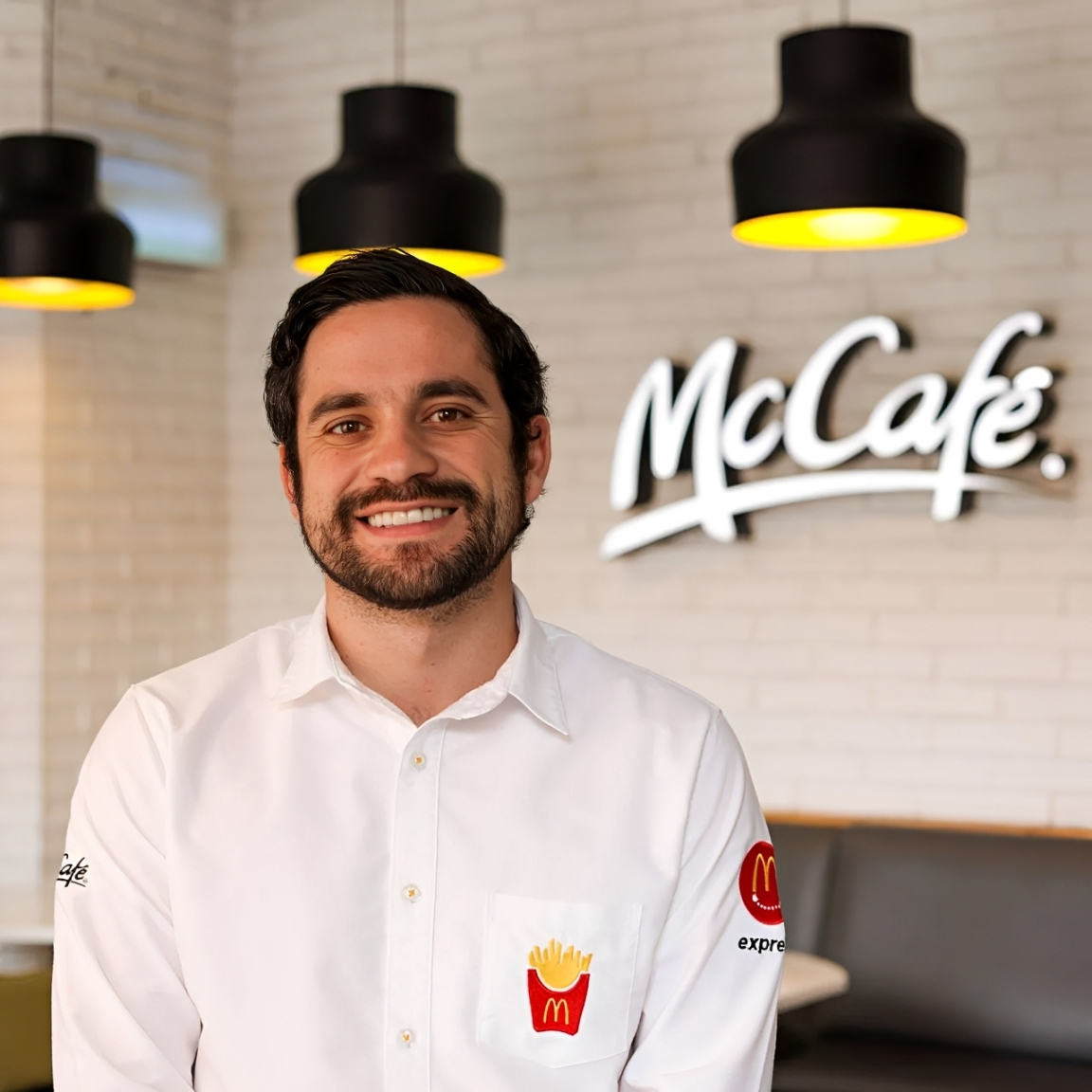
The generational succession at McDonald's Mesoamerica already has a name: Rodrigo Cofiño, grandson of founder José María Cofiño, who introduced the brand to Guatemala in 1974. His rise within the family business has been rapid: he moved from operations manager to Director of Operations at McDonald's Guatemala in 2023, then to Managing Director in 2025, and in April 2026 was appointed Chief Restaurant Officer (CRO) of McDonald's Mesoamerica, where he now leads operations across four countries in the region.
Described as a “Guatemalan entrepreneur, involved in the family business, leader, philanthropist, sociable, and charismatic,” Rodrigo embodies the professionalization of second- and third-generation family businesses that, rather than directly inheriting positions, build their careers by advancing through the ranks of the operation.
His current focus is on strengthening operational excellence, driving business growth, and developing high-performing teams in Guatemala, El Salvador, Honduras, and Nicaragua—a roadmap suggesting that generational succession at the franchise is far from meaning a pause in its expansion.
Alexis Canahui: From Newspaper Vendor to Architect of the Entrepreneurial Ecosystem
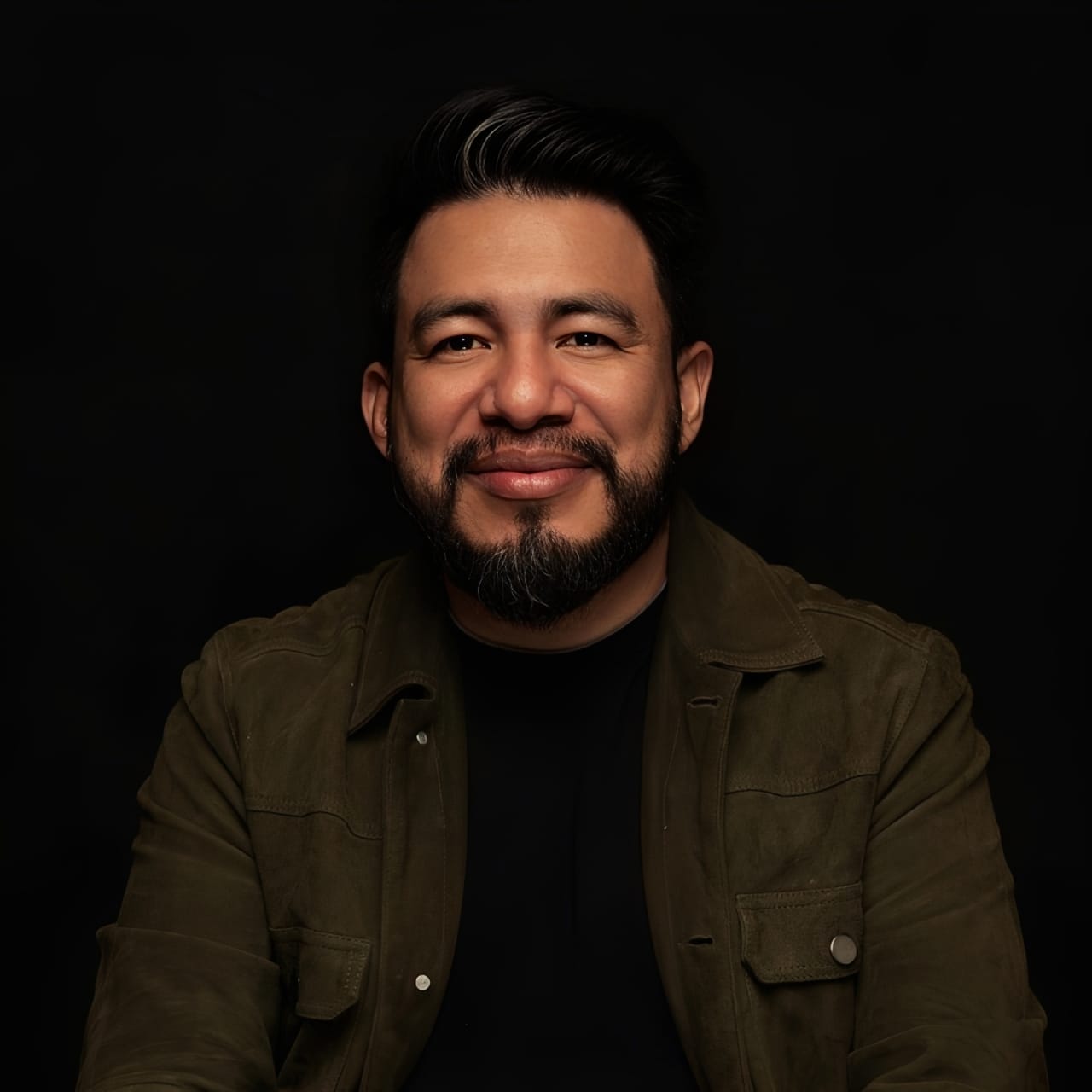
Not every story of corporate influence in Guatemala begins with a prestigious family name. Alexis Canahui built his relevance from the ground up: he went from selling newspapers to becoming one of the most influential communicators and connectors in Guatemala's entrepreneurial ecosystem, inspiring more than 50,000 people.
He studied Journalism and is the author of Traccionable, as well as the founder and CEO of Win.gt, Training Day, and Winverz, platforms that combine media and business education.
His business model is itself a case study: he turned storytelling and networking events into growth engines for hundreds of Guatemalan companies through initiatives such as Founder's Book, Disrupt Fest, Guate se Levanta, and Win Talks.
Canahui represents a generation of leaders who do not manage inherited assets but instead build connection infrastructure—social capital, in the most literal sense—to help other entrepreneurs grow. This role is increasingly valued in emerging ecosystems where access to mentorship and capital remains limited.
José Raúl González Merlo: Guardian of Progreso's Century-Old Legacy
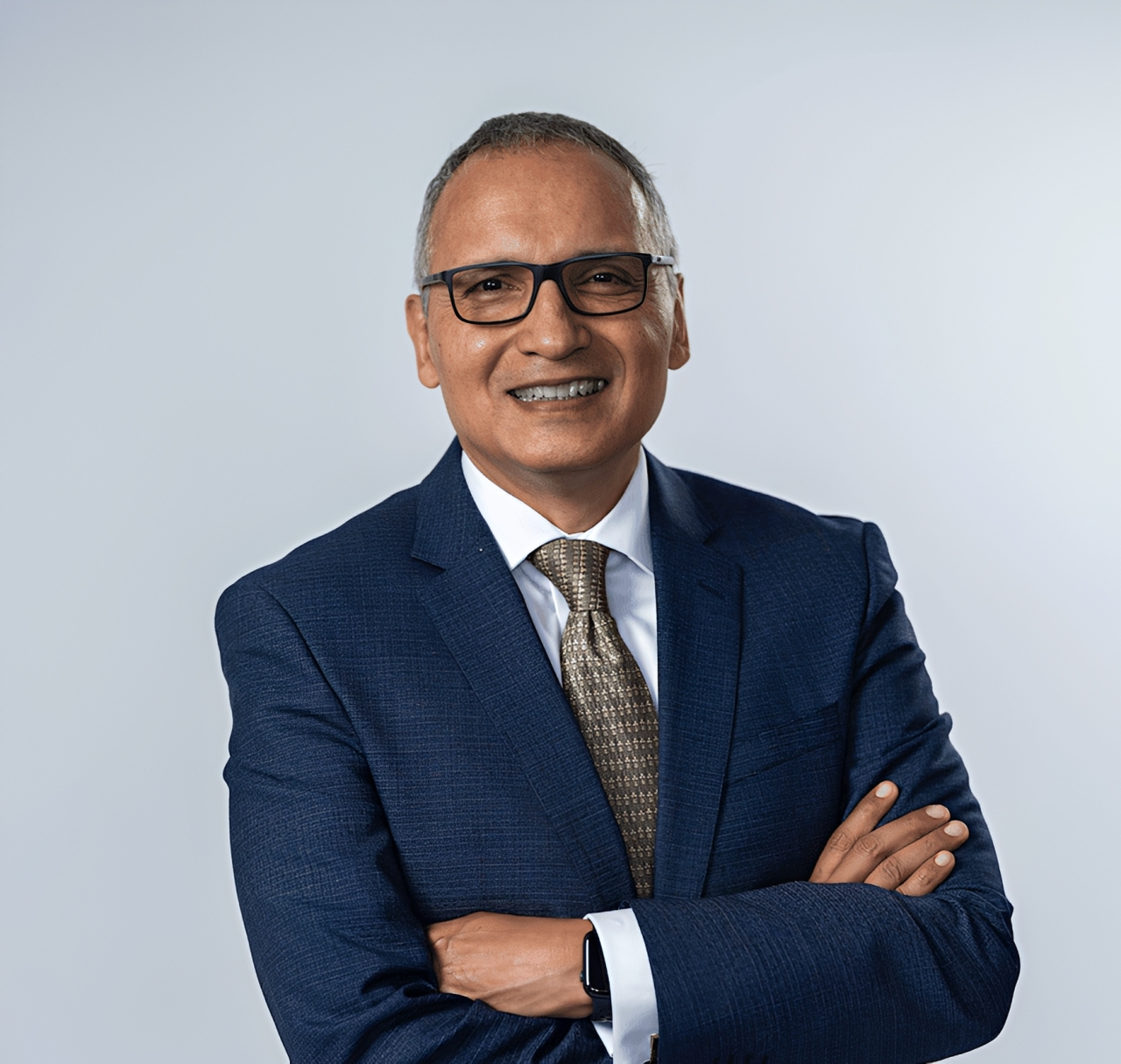
Few Guatemalan companies have accumulated as much history as Progreso, founded in 1899 by Carlos F. Novella. Since 2010, its future has been shaped by José Raúl González Merlo, first as CFO and then as CEO since 2012.
A graduate of Universidad Francisco Marroquín, with studies at the Wharton School of Business and Harvard Center for Negotiation, as well as an MBA from the University of Rochester, González Merlo has led the company's international expansion into Panama, Belize, and, more recently, Colombia and the Dominican Republic, consolidating its presence in eight countries.
His leadership has earned recognition beyond Guatemala's borders. In 2024, he renewed his mandate as president of the Inter-American Cement Federation (FICEM), and in 2025 Forbes Central America ranked him fifth on its list of the 100 Most Influential Minds.
His strategic vision is summarized in five stated priorities: protecting leadership in Guatemala, developing the regional construction industry, executing international expansion, strengthening community relations, and continuously improving organizational capabilities. The goal is for Progreso to reach its second century as a genuinely Central American powerhouse.
Juan Esteban Sánchez: Promoting Guatemala to Foreign Capital
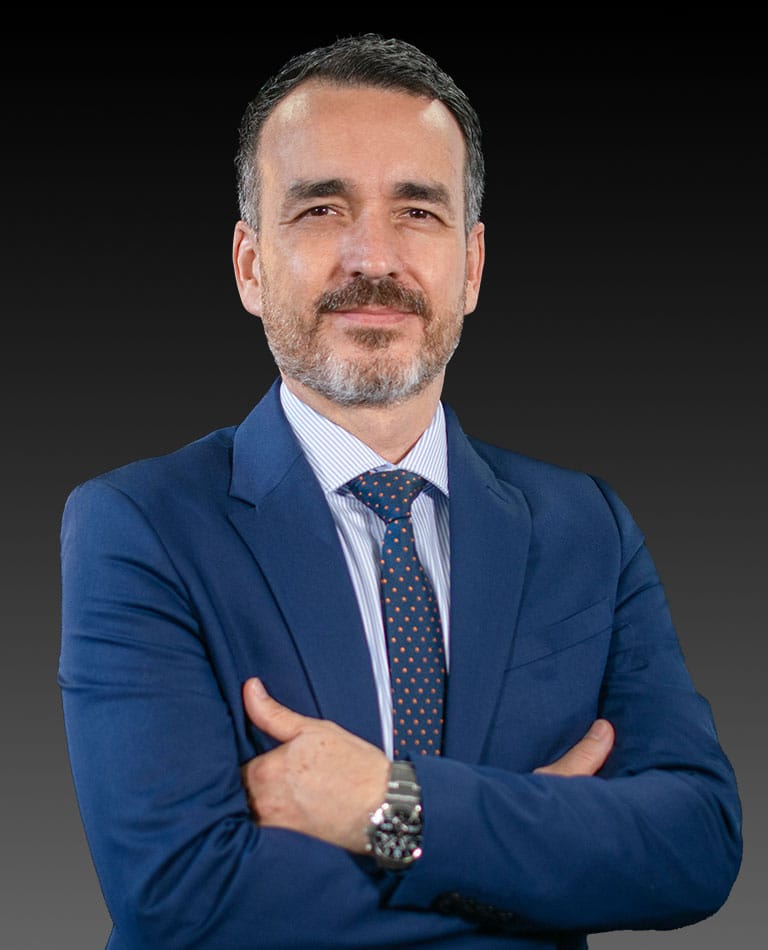
While other leaders on this list manage private companies, Juan Esteban Sánchez holds a different but equally strategic role. Since May 2024, he has served as executive director of Invest Guatemala, the entity responsible for attracting foreign direct investment to the country.
With experience in investment banking and international business development, as well as an active network across Central America, Colombia, Mexico, and the MENASA region, Sánchez brings a different type of influence. Although Colombian by origin, his current focus is Guatemala, where he designs and executes strategies to build a portfolio of investment projects focused on generating quality employment and maximizing social, economic, and environmental impact.
His influence is measured less through corporate balance sheets and more through his ability to position Guatemala as a competitive destination against other emerging markets competing for the same capital flows.
In recent interviews, he has shared his perspective on the country's investment landscape, highlighting the role of strategic public-private partnerships as a growth driver. His position makes him one of Guatemala's key economic ambassadors to funds, multinational companies, and foreign governments.
Enrique Crespo: The CEO Who Diversified CMI Beyond Food
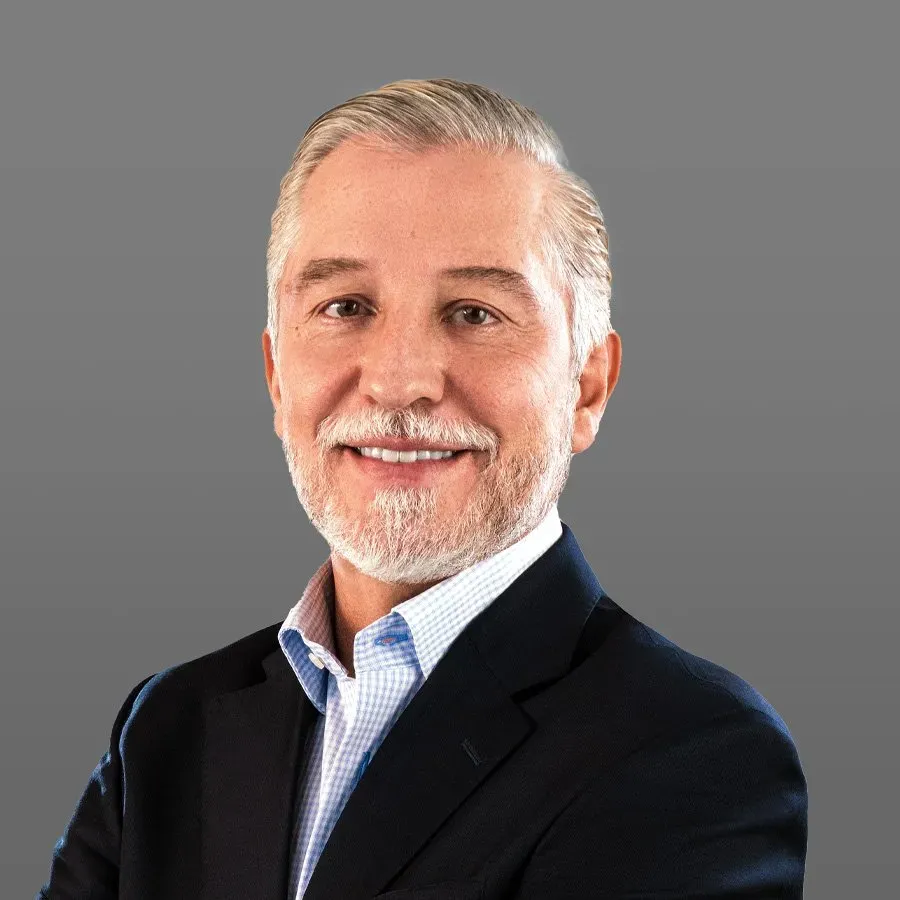
If Juan José Gutiérrez Mayorga represents CMI's food business, Enrique Crespo del Valle embodies its financial and real estate arm. He joined the corporation in January 2011 as CFO and, just months later, was promoted to executive director of CMI's corporate office, a position he held until 2018.
Since then, he has served as CEO of CMI Capital, the business group managing a diversified portfolio spanning renewable energy, real estate development, and financial solutions.
Crespo has been an active voice at regional investment and sustainability forums, participating in events such as CentraRSE's Sustainability Week, where he has shared strategies for business expansion and responsible investment.
His leadership illustrates a broader trend among major Latin American family-owned groups: the need to scale assets under management (AUM) and generate differentiated returns for shareholders by moving beyond the family's traditional business into higher-growth sectors such as renewable energy.
Héctor Leal: The Engineer Who Gave Guatemala Its First Planned City
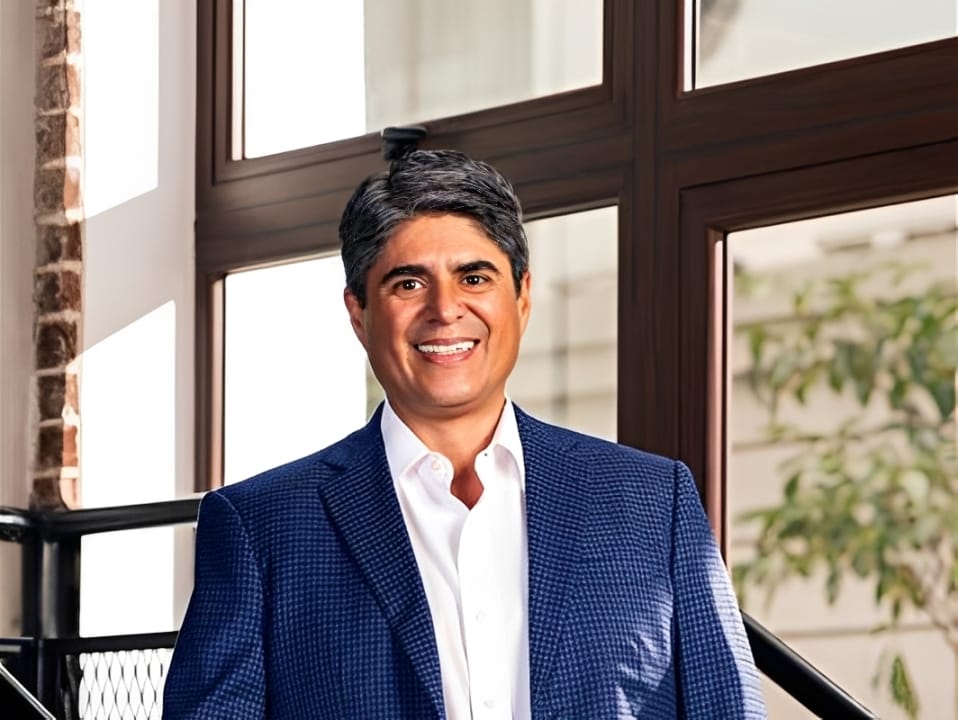
When Héctor Leal became CEO of Grupo Cayalá in 2003, the concept of a “planned city” was virtually unheard of in Guatemala. A civil engineer by training specializing in water management, Leal led the development of Ciudad Cayalá, a mixed-use project combining residential, commercial, cultural, and recreational spaces.
Today, the development includes more than 3,000 homes, over 160,000 square meters of commercial space, and even a United States diplomatic facility.
With more than 20 years at the helm of Grupo Cayalá and executive education at Harvard, Leal faced the challenge of selling an urban development concept that many considered risky at the time.
“As many people said, perhaps I was crazy to start Cayalá,” he acknowledged in a recent interview.
The project has become a benchmark for sustainable urban development not only in Guatemala but across the region. Leal also complements his real estate role through his position on the board of Ingenio Magdalena, one of Latin America's largest sugar mills.
Stephanie Melville Molina: The First Woman to Chair a Century-Old Company
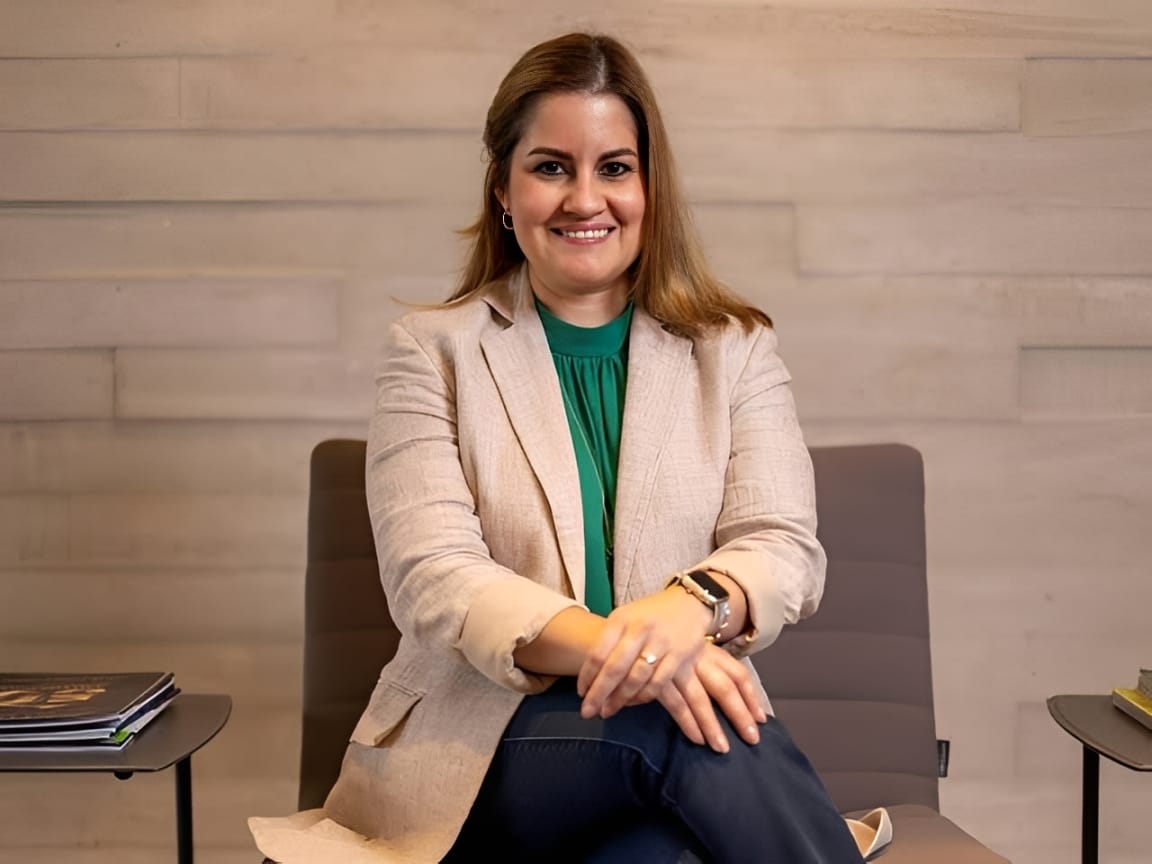
In May 2024, Stephanie Melville Molina made history by becoming the first woman president in Progreso's 124-year history. A lawyer and notary from Universidad Francisco Marroquín, with a master's degree in corporate law from Northwestern University and certification from IE Business School in Madrid, Melville represents the fourth generation of the family behind Progreso.
Her rise within the organization—from board member to secretary of the board, then vice president and finally president—coincided with Progreso's expansion into eight countries, including its recent entry into the Dominican Republic.
Melville has also broken ground outside her company. She is the first woman to serve as a director at the historic Cámara de Industria de Guatemala, where she serves as secretary of the board, and she chairs the Industrial Club.
In 2022, she was recognized as an Ilustre Guatemalteca in the Business category, an award highlighting how her leadership extends beyond the corporate sphere to become a symbol of the growing presence of women in the region's business leadership.
Andrea Cabrera del Cid: Driving Women's Empowerment
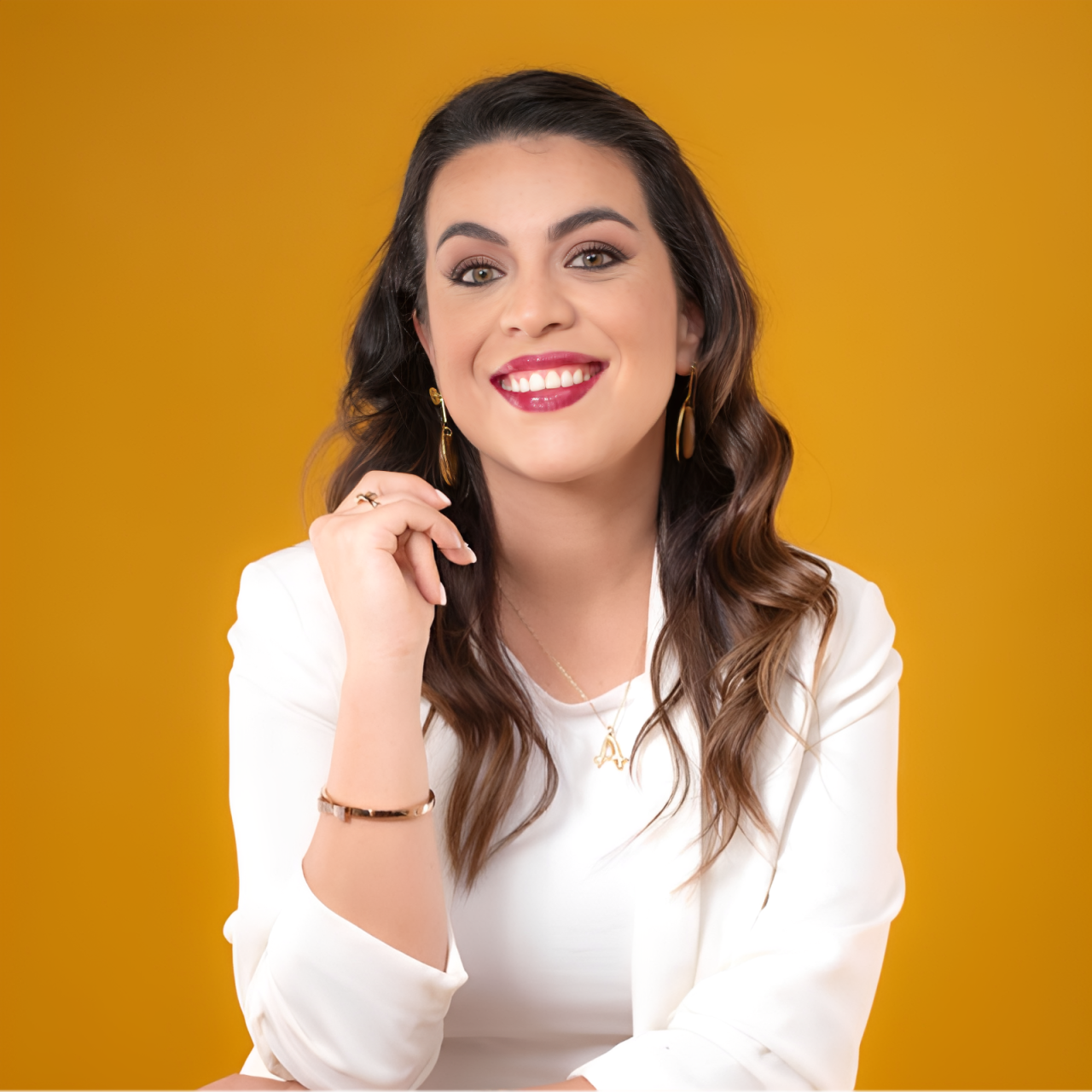
Rounding out this list is a figure who represents a different type of influence from that of major family-owned corporations: Andrea Cabrera del Cid, founder and CEO of Wonder Woman Tribe, a leading organization for women's economic empowerment in Guatemala that has trained more than 7,000 women across Central America in business fundamentals, innovation, and growth.
In 2023, Forbes Central America included her among the region's 100 Most Powerful Women, and in 2025 she was appointed Ambassador for Women's Entrepreneurship by the U.S. Embassy in Guatemala.
A graduate of Universidad Rafael Landívar and author of the ebook Woman Moonshot: Liderazgo Innovador, Cabrera del Cid illustrates how Guatemalan business leadership is no longer limited to inheriting industrial empires. It is also being built by identifying emerging economic niches and turning them into regional movements with social and business impact.
A Map of Power That Continues to Expand
What unites these ten profiles, beyond their sectors or generations, is a common geographic ambition: none has settled for the Guatemalan market alone.
Whether establishing new business locations in the United States, expanding cement operations into Colombia, bringing hamburgers to Nicaragua, or promoting women's leadership methodologies across Central America, they have all understood that regional scale—not national scale—is now the true measure of corporate influence in Guatemala.
For a business ecosystem that historically looked inward, this generation of leaders is demonstrating that the country's size no longer limits the size of its ambition.