Quick Shipping opens US$2 million logistics center in Miami to expand its regional operations
Quick Shipping opens a logistics center in Miami to expand its distribution capacity and strengthen its presence across seven Latin American countries.

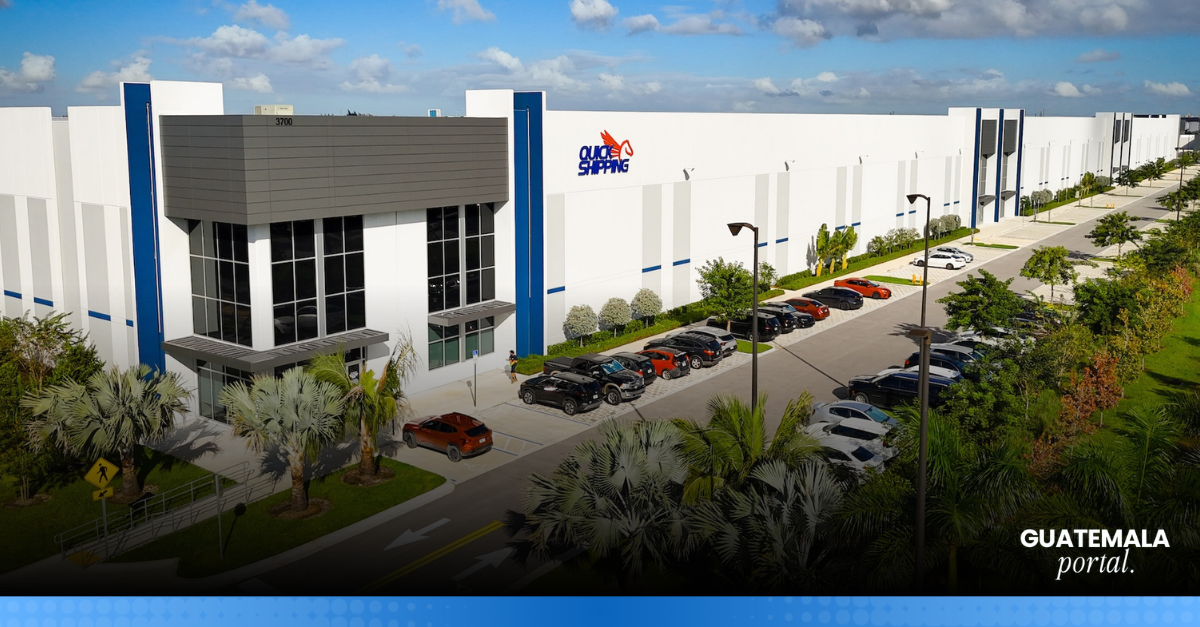
Quick Shipping’s expansion across Latin America will gain a new strategic hub in Miami, Florida, where the Guatemalan-founded multinational has inaugurated a 5,100-square-meter logistics center, backed by a US$2 million investment. Located near Miami International Airport, the facility features 15 loading doors and consolidates operations serving businesses and consumers purchasing goods in the United States.
From this complex, shipments are transported to Guatemala, El Salvador, Honduras, Nicaragua, Costa Rica, and Panama. The opening marks a new chapter for the company as it seeks to bring its in-house logistics model to additional Latin American markets.
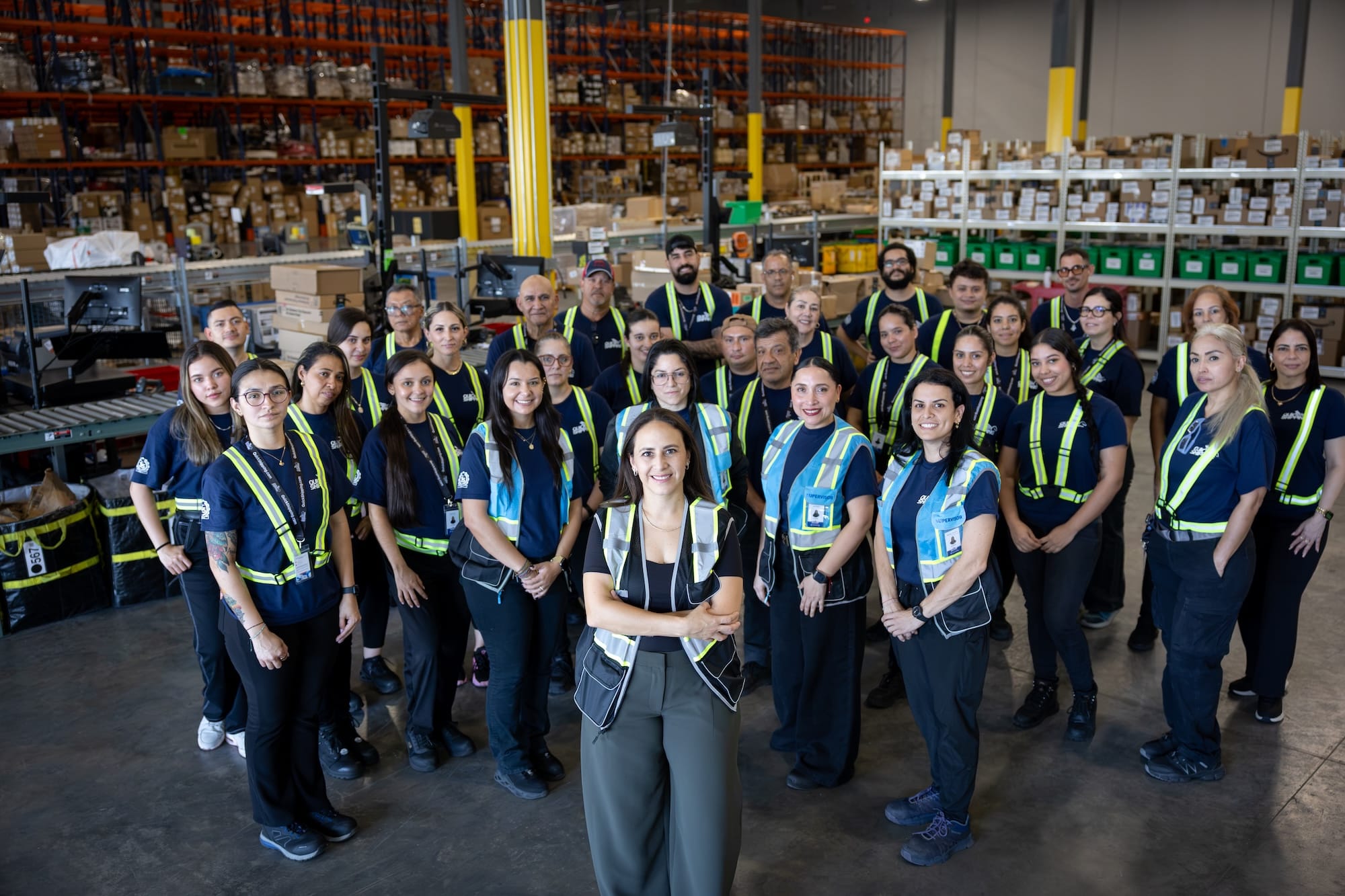
Miami Becomes a Strategic Hub for Quick Shipping
The new infrastructure reflects the scale Quick Shipping has achieved since its founding in Guatemala in 1991. Established by brothers Juan Carlos, Fernando, and Gustavo Merck, the company has grown from operating out of a 74-square-meter warehouse into a logistics network with a presence in seven countries.
The Miami facility serves as a platform connecting business logistics and e-commerce services with their destination markets. On a regular day, it receives approximately 150,000 pounds of cargo, while during peak season, that figure exceeds 500,000 pounds daily.
Its annual operations include:
- 35,000 shipments dispatched from Miami.
- Cargo transported across 2,500 flights.
- The equivalent of 1,200 containers of consolidated ocean freight.
- Distribution to six Central American markets and Panama.
The infrastructure is supported by the company's own teams in each country, in-house customs personnel, and a fleet of 65 delivery vehicles. In addition, its U.S. operations hold CTPAT certification, TSA approval to transport cargo on international flights, and Federal Maritime Commission authorization to issue their own bills of lading.
“For a company waiting for a part, a shipment is not just a package: it is the difference between keeping its operations running or bringing them to a standstill. Here, at the Miami center, that time is either gained or lost,” explained Alfredo Armas, CEO of Quick Shipping.
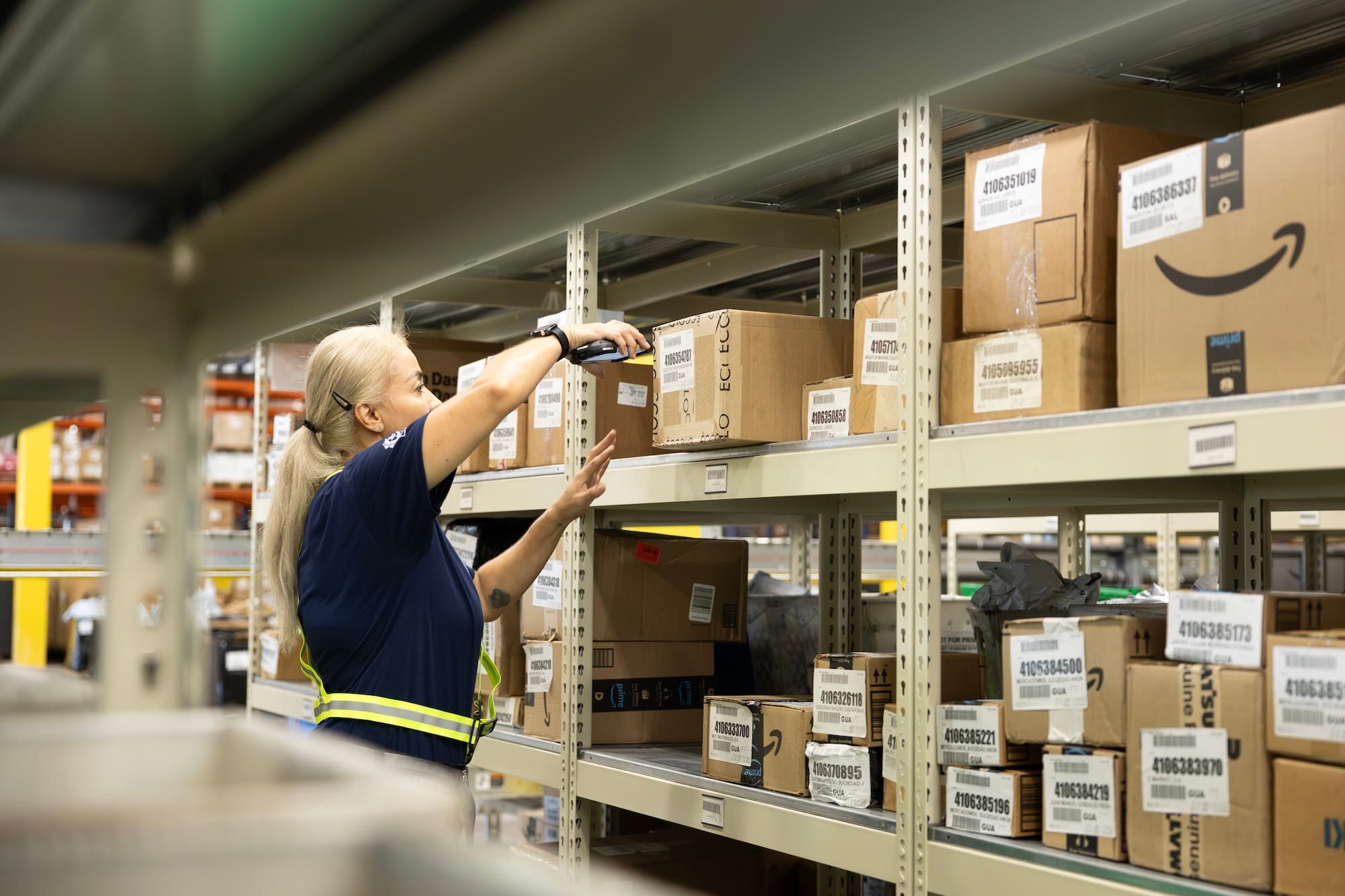
A Logistics Network Connecting Businesses and Online Shoppers
The regional expansion is also supported by Quick Box USA, Quick Shipping’s division launched in 2018 to serve consumers purchasing products from U.S. retailers.
The service operates in Guatemala, El Salvador, Honduras, Costa Rica, and Panama, where it has 18 company-owned branches. It currently processes approximately 4,500 packages per day, equivalent to more than 1.2 million shipments annually.
Its operations are integrated with the Miami facility and use the same distribution resources, customs personnel, and delivery vehicles as the company's business logistics division. Packages can be collected at its branches or delivered directly to customers' homes.
“Our customers already trusted us to move their companies’ cargo. We decided to put that experience at the service of people who need a gift, medicine, or something they cannot find in their own country, and deliver it right to their doorstep,” said Fernando Merck, president and co-founder of Quick Shipping.
The infrastructure will also support operations during peak shopping periods, particularly Black Friday, Cyber Monday, and Christmas, when international online purchases increase.
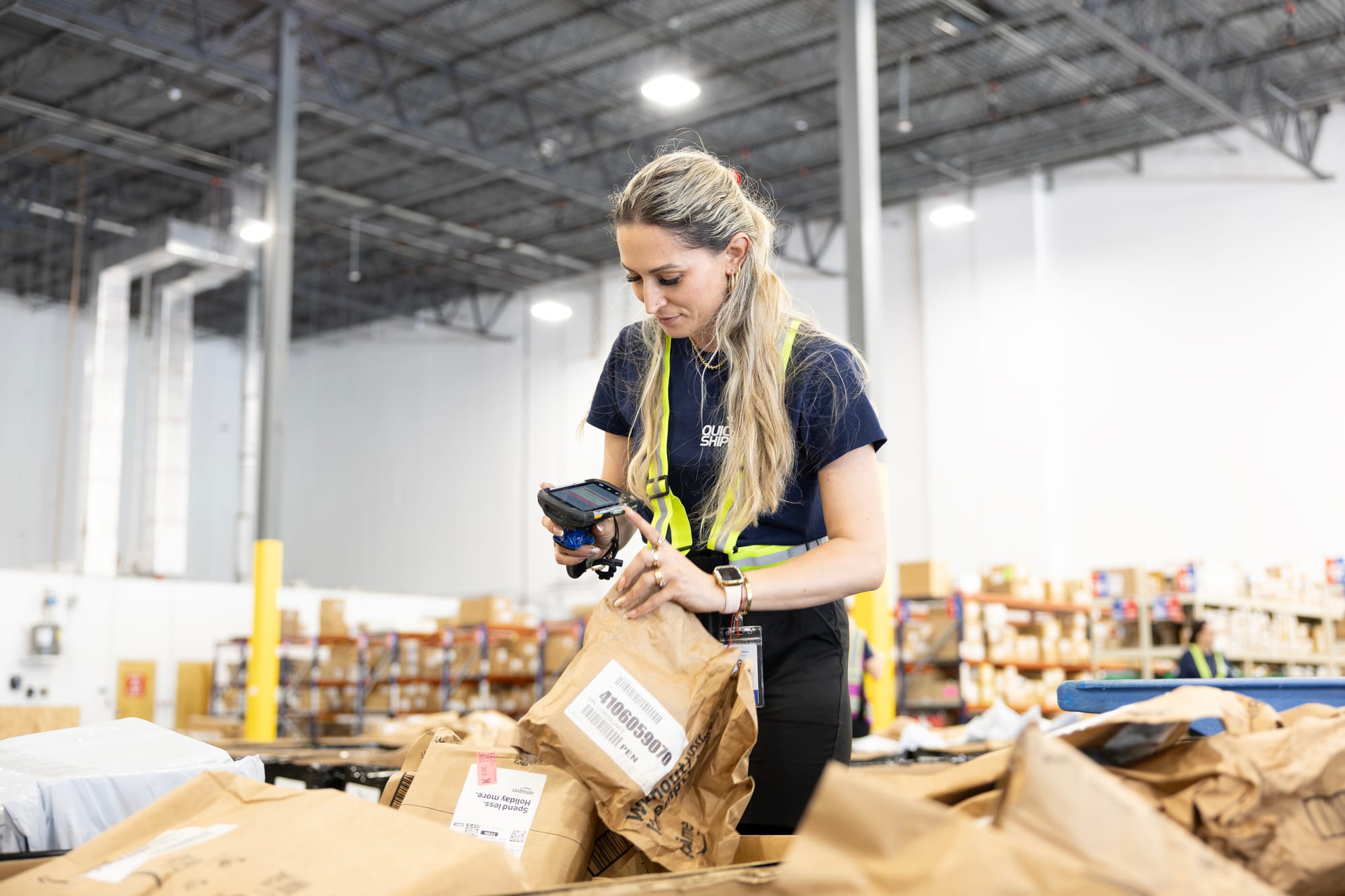
Proprietary Technology and Guatemalan Talent Drive Operational Capacity
Another component of the company's expansion strategy is the automation of logistics processes. The Miami center has been equipped with 40 cameras and an artificial intelligence platform developed in-house by Guatemalan talent.
According to company measurements, the system reads package labels in approximately four seconds and identifies the customer in 99% of cases. Each shipment is also registered and made available for tracking through the Quick Box USA app.
Between 2025 and 2026, Quick Shipping doubled its inbound processing capacity without increasing its workforce, and aims to achieve the same growth again in 2027. In one of its highest-volume receiving processes, a task that previously took almost two minutes can now be completed in three seconds.
“No one understands our operations better than our own team. That is why we developed our tracking platform and artificial intelligence receiving system in-house. Technology handles repetitive tasks, making our team more productive,” explained Mario Morán, CTO of Quick Shipping.
Customer information is managed through the company's own servers, allowing it to maintain internal control over the systems supporting shipment tracking and processing.
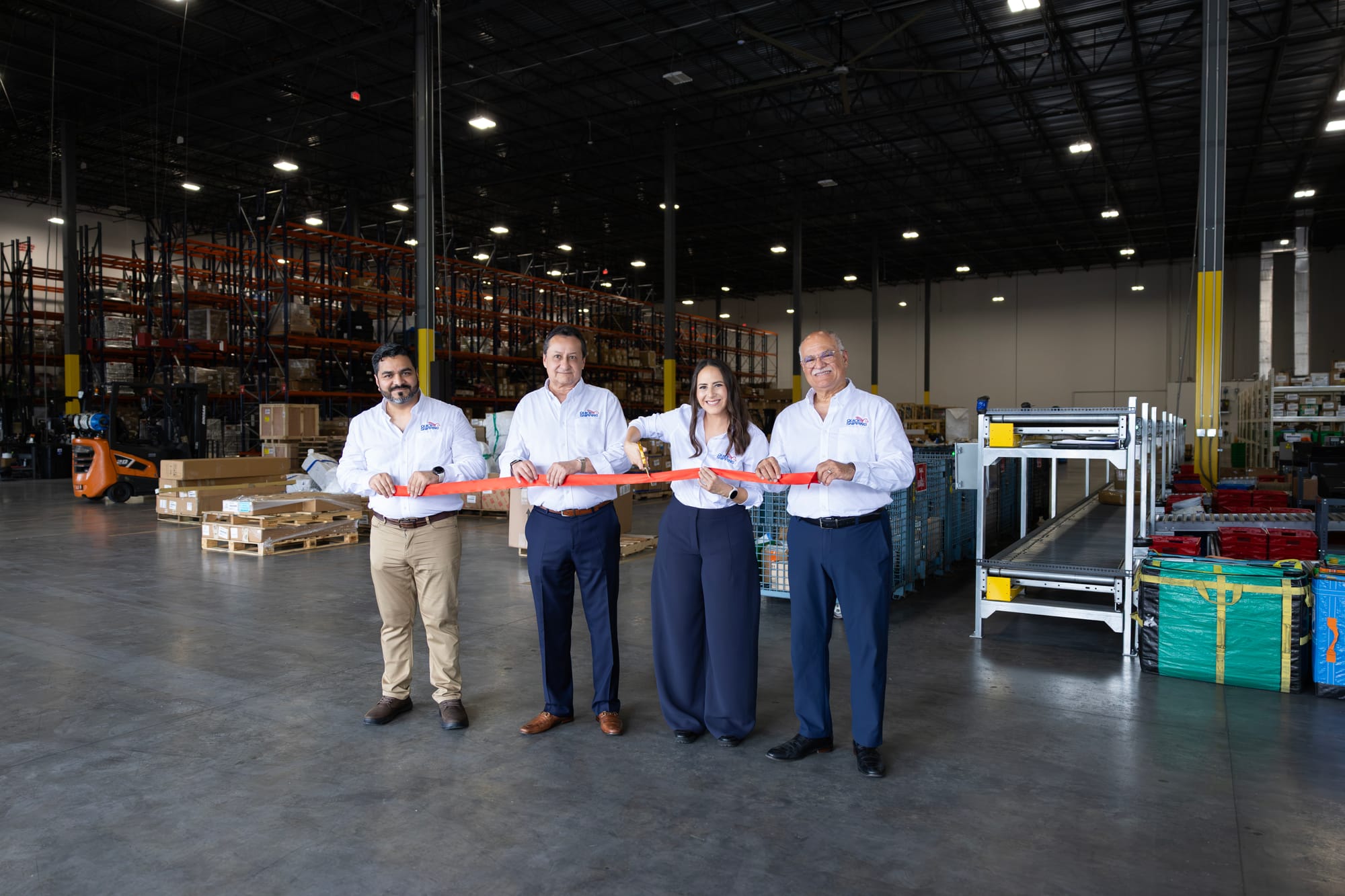
Regional Leadership and Growth Plans Across Latin America
The U.S. operation has been led since 2016 by Mónica Merck, vice president of North America, who oversaw the relocation from a facility measuring approximately 3,000 square meters to the new complex.
Female representation is also notable within the company's workforce: women account for 70% of the Miami logistics center team and 45% of Quick Shipping's 400 employees. Women also hold leadership positions in Nicaragua, Human Resources, and Business Intelligence.
“During peak season, more than half a million pounds come through our 15 loading doors every day, and every pound belongs to someone waiting for it on the other side,” said Mónica Merck.
The company's next phase involves bringing its operating model to additional Latin American markets, while maintaining direct control over its operations.
“Today, Quick Shipping is a Latin American multinational ready to bring this same model to other markets across Latin America. We will only expand where we can deliver the same standard through our own team,” said Fernando Merck.
Expansion Built on Company-Owned Infrastructure
With 35 years of experience, Quick Shipping is positioning Miami as a platform for connecting markets, centralizing processes, and expanding its regional reach. Its strategy combines physical investment, internally developed technology, and company-owned distribution capabilities to support new growth opportunities across Latin America.