
Programa Moscamed Marks 50 Years Protecting Agriculture in Guatemala
Programa Moscamed celebrates 50 years protecting agriculture in Guatemala through science, international cooperation and advanced Mediterranean fruit fly control.

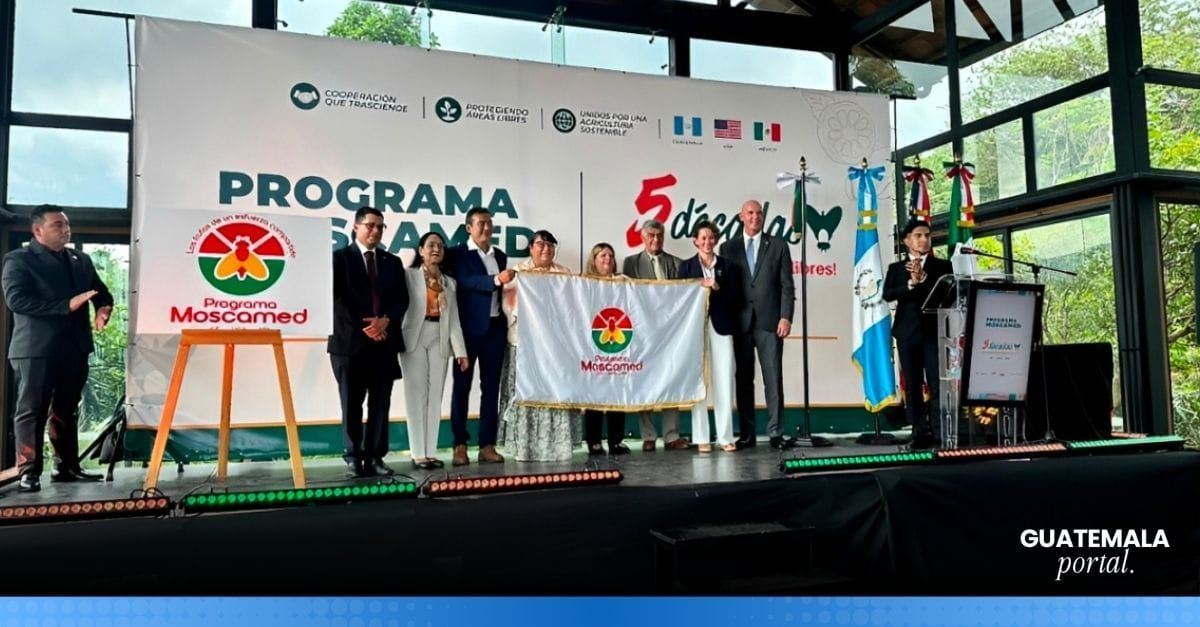
Programa Moscamed is celebrating its 50th anniversary after five decades of protecting agriculture in Guatemala and the region from the Mediterranean fruit fly (Ceratitis capitata). Supported by international cooperation, the initiative combines science, technology and biological control strategies to safeguard crops, strengthen agricultural exports and prevent the spread of one of the world's most destructive agricultural pests.
Created in 1975 as a joint effort between Guatemala, the United States and Mexico, the program continues to serve as a regional barrier against the expansion of the Mediterranean fruit fly, which threatens approximately 400 species of fruits and vegetables.
Five Decades of Regional Cooperation
Programa Moscamed was established to stop the northward spread of the Mediterranean fruit fly across the continent. Since its launch, the partnership between Guatemala, the United States and Mexico has focused on surveillance, prevention and pest control through coordinated scientific efforts.
The U.S. Department of Agriculture (USDA) remains the program's principal donor, providing approximately 85% of its operational funding. Today, Programa Moscamed employs more than 1,300 people in Guatemala and operates with an annual budget of US$27.6 million to carry out monitoring, prevention and control activities.
Science and Technology Drive Pest Control Efforts
A key highlight of the anniversary activities was the demonstration of the sterile insect technique, a scientific method used to reduce the reproduction of the Mediterranean fruit fly without harming the environment.
Visitors were introduced to the technologies used throughout the program, including monitoring systems and traps designed to detect the presence of the pest in different regions.
The event also included a demonstration of aircraft releasing sterile flies over protected areas, an essential component of the biological control strategy. In addition, Programa Moscamed continues to conduct research on the use of natural parasitoids as another tool to strengthen pest management.
Guatemala Hosts the World's Largest Sterile Fly Production Facility
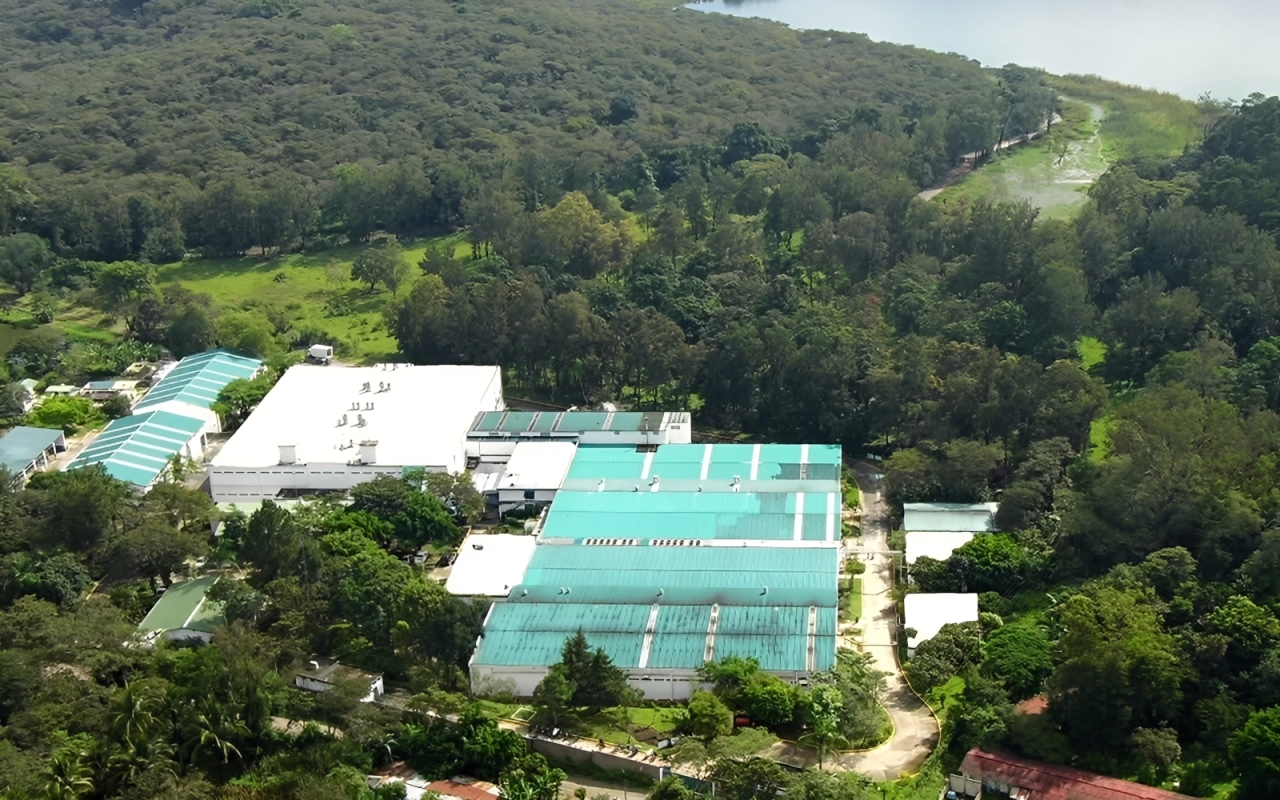
One of the program's most significant assets is located in Guatemala. The "El Pino" facility operates the world's largest sterile fruit fly production plant, producing approximately 1.04 billion sterile flies every week.
Of that total, around 45 million are shipped to California, 68 million to Florida, while approximately 925 million are released across Guatemala and Mexico as part of the regional control strategy.
The facility has also supplied sterile flies to countries including Honduras, Bolivia, Ecuador and Israel, positioning Guatemala as an international reference in the application of science and technology for agricultural pest control.
Protecting Agricultural Exports and Rural Development
Programa Moscamed currently protects approximately 46,823 square kilometers of Mediterranean fruit fly-free areas across Guatemala, Mexico and the United States.
Maintaining these pest-free zones enables producers to market fruits and vegetables with greater access to international markets while strengthening the region's agricultural competitiveness.
Another milestone highlighted during the anniversary is that 2026 marks 25 years since Petén was internationally recognized as a Mediterranean fruit fly-free area. The designation has contributed to the expansion of agricultural activity in the department and supported the creation of more than 4,000 jobs for local producers.


