Nicolás Samayoa: The Defender Who Turned Criticism Into His Greatest Motivation
Guatemalan defender Nicolás Samayoa shares how mental strength, discipline, and resilience helped shape his football career and personal life.

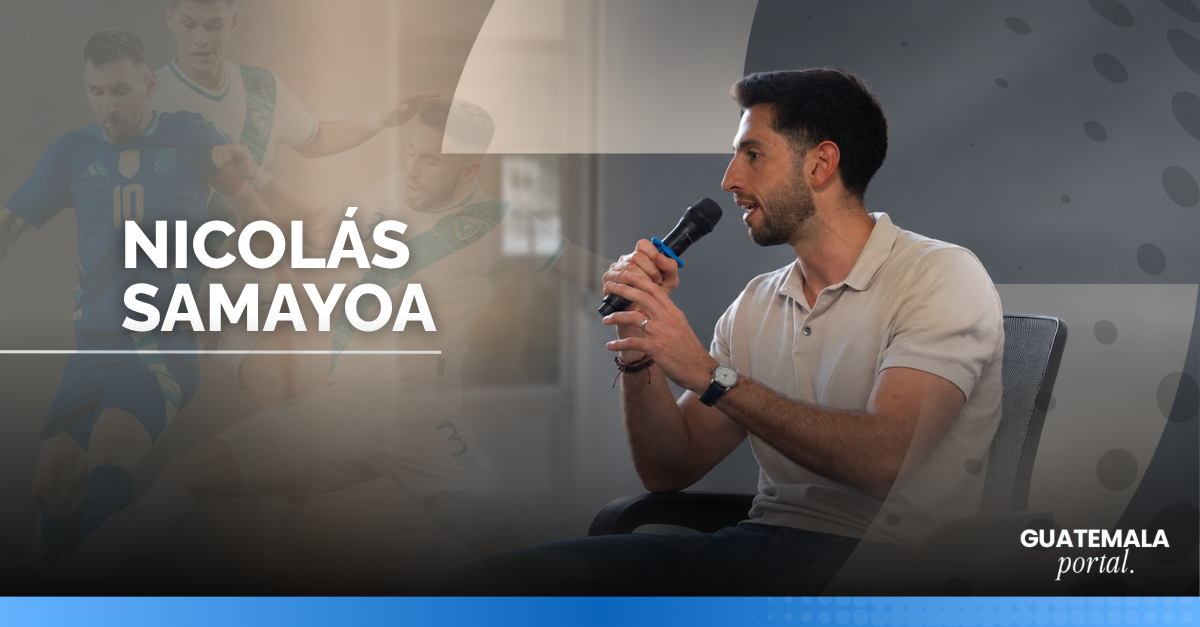
The biggest dreams rarely begin under the spotlight. For Nicolás "Nico" Samayoa, the journey to success has been built on much more than training sessions, victories, and appearances on the pitch. It began with a life-changing decision: learning to master his mind before trying to master any match. Behind the jersey of the Guatemala National Team and every club he has represented is a player who understands that the toughest opponent is often not the one standing across the field, but fear, self-doubt, and criticism.
Today, Samayoa represents far more than one of Guatemala's top defenders. He has become an example of perseverance, discipline, and personal growth. His story shows that talent may open doors, but consistency, preparation, and mental strength are what allow athletes to remain at the highest level.
His career has also broken away from the traditional path followed by many Guatemalan footballers. Before turning professional, he chose to combine his athletic development with higher education in the United States. He later played for Las Vegas Lights, Comunicaciones FC and Politehnica Iași in Romania, gaining valuable European experience and establishing himself as one of Guatemala's most prominent international players. Today, Samayoa continues his career with CSD Municipal, bringing leadership, international experience, and a mindset that inspires both on and off the field.
Beyond championships, national team call-ups, and sporting achievements, Samayoa has become a role model for the next generation of footballers and for anyone pursuing a dream. His message is simple: success is not about avoiding criticism, but about refusing to let it determine the course of your life.
A Conversation That Reveals the Person Behind the Player
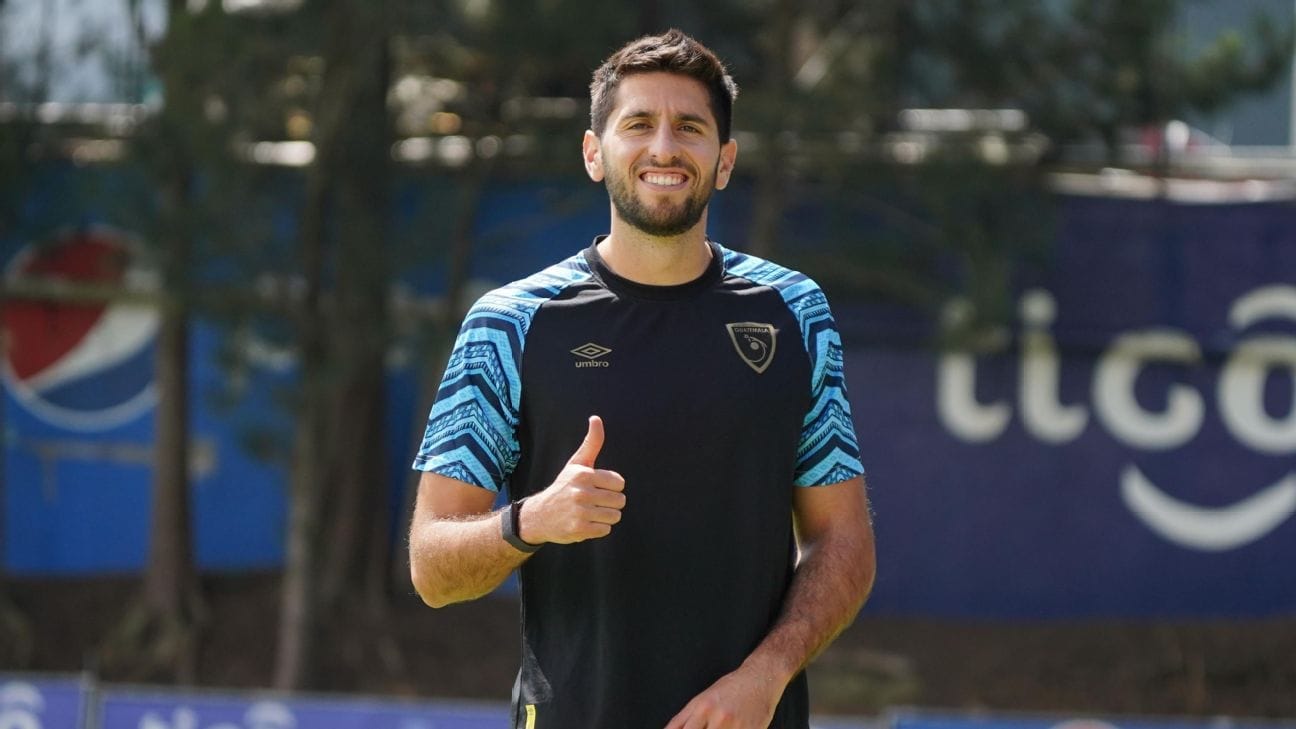
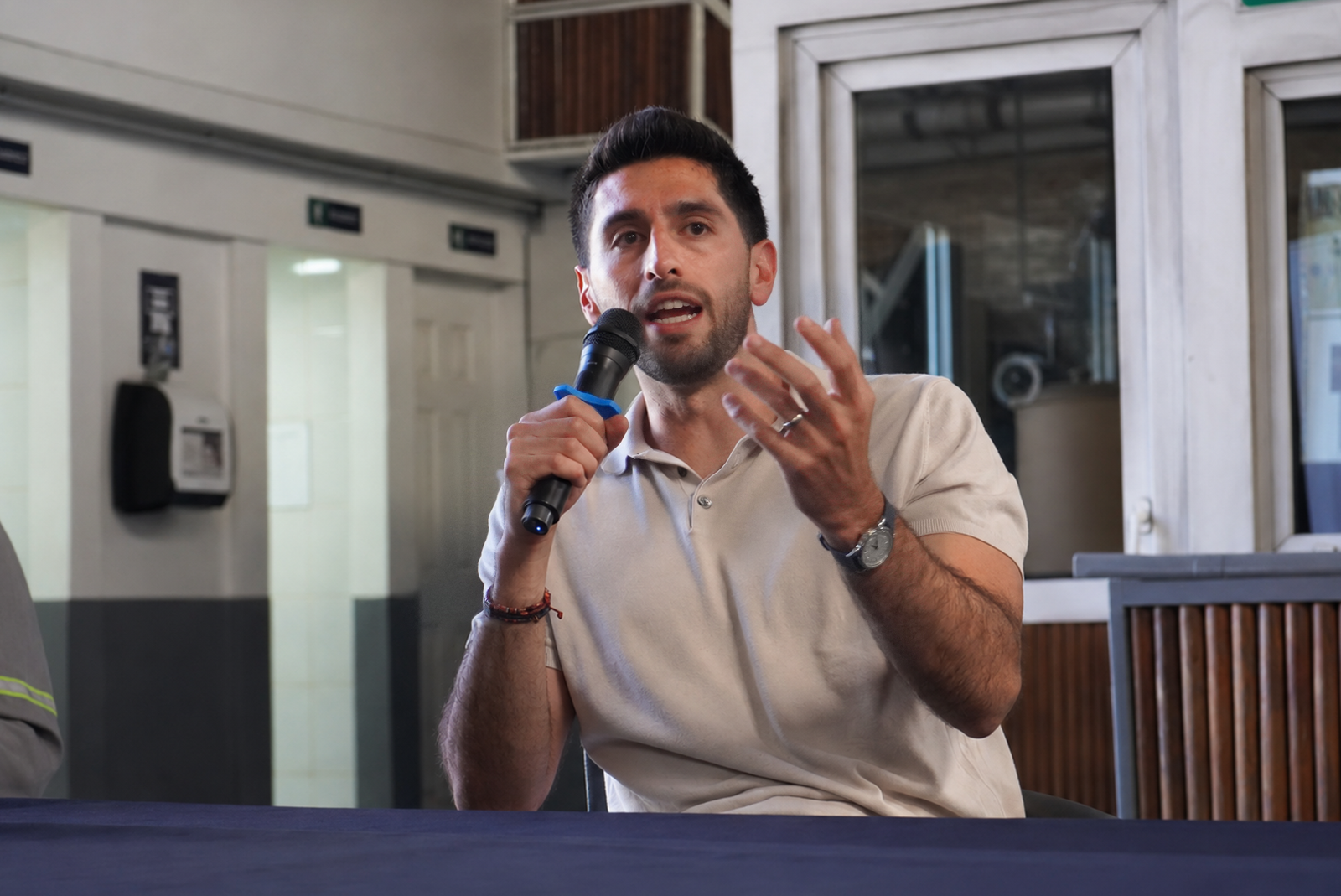
In an exclusive interview with Guatemala Hoy, Nicolás Samayoa opens up about the experiences that have shaped both his career and his personal life. He reflects on the moment that transformed the way he competes after working with a sports psychologist, explains how he overcame his fear of criticism, discusses the importance of discipline when motivation fades, and shares the lessons he learned after Guatemala narrowly missed qualification for the FIFA World Cup.
The defender also speaks about his role as a father, husband, and son. He reveals the phrase that guides his decisions—"I don't let fear dictate my decisions"—and reaffirms that his dream of helping Guatemala reach its first-ever FIFA World Cup remains alive. At the same time, he emphasizes another principle that defines his outlook on life: "May God's will always be done."
Below are excerpts from the conversation.
Looking back, was there a moment or decision that completely changed your life and the way you approach your football career?
Without a doubt, beginning to work with a sports psychologist marked a turning point in my life. Before that, my mind controlled my emotions, and it eventually affected my performance on the field. Today, I've learned how to manage my thoughts, stay focused, and control my mind. That change helped me grow not only as a footballer but also as a person, because when you learn to master your mind, you're able to give your best in every match.
What personal challenge was the hardest to overcome, and what lesson did it leave you for your life and career?
Definitely overcoming the fear of criticism and worrying about what other people thought of me. I don't think people talk enough about how much fear of judgment can hold someone back. There was a key moment in my career when, thanks to the work I did with sports psychologist Javier Burga, I finally stopped allowing my life and my decisions to be controlled by other people's opinions.
Today I know that I want to pursue my dreams and do everything necessary to achieve them. I've learned that no matter what you do, there will always be criticism. Living with that mindset isn't easy, but once you stop giving so much power to other people's opinions, you begin focusing on what truly matters: growing, enjoying the journey, and continuing to move forward.
How do you keep moving forward when things don't go as planned or when your motivation begins to fade?
Many people confuse motivation with what truly keeps us moving. Motivation is the excitement and energy we feel when we begin a new project, but over time it's natural for that feeling to fade. That's where discipline makes the difference. The two complement each other: motivation helps us take the first step, but discipline is what keeps us going, even on the days when we don't feel like it. In the end, it's that consistency that brings us closer to our goals.
After Guatemala missed out on World Cup qualification, there was disappointment and plenty of criticism. What would you like to say today to the fans who shared that frustration?
We all shared the same dream of seeing Guatemala qualify for the World Cup. We were the ones responsible for representing that dream on the field, so we completely understand the disappointment, the frustration, and the criticism. We were the first to feel that pain ourselves.
Personally, I have peace of mind because I gave absolutely everything. I made sacrifices that many people never see: countless hours of training, maintaining a very strict diet, working on my mental strength, and spending long periods away from my family. I gave everything within my power to try to achieve that goal.
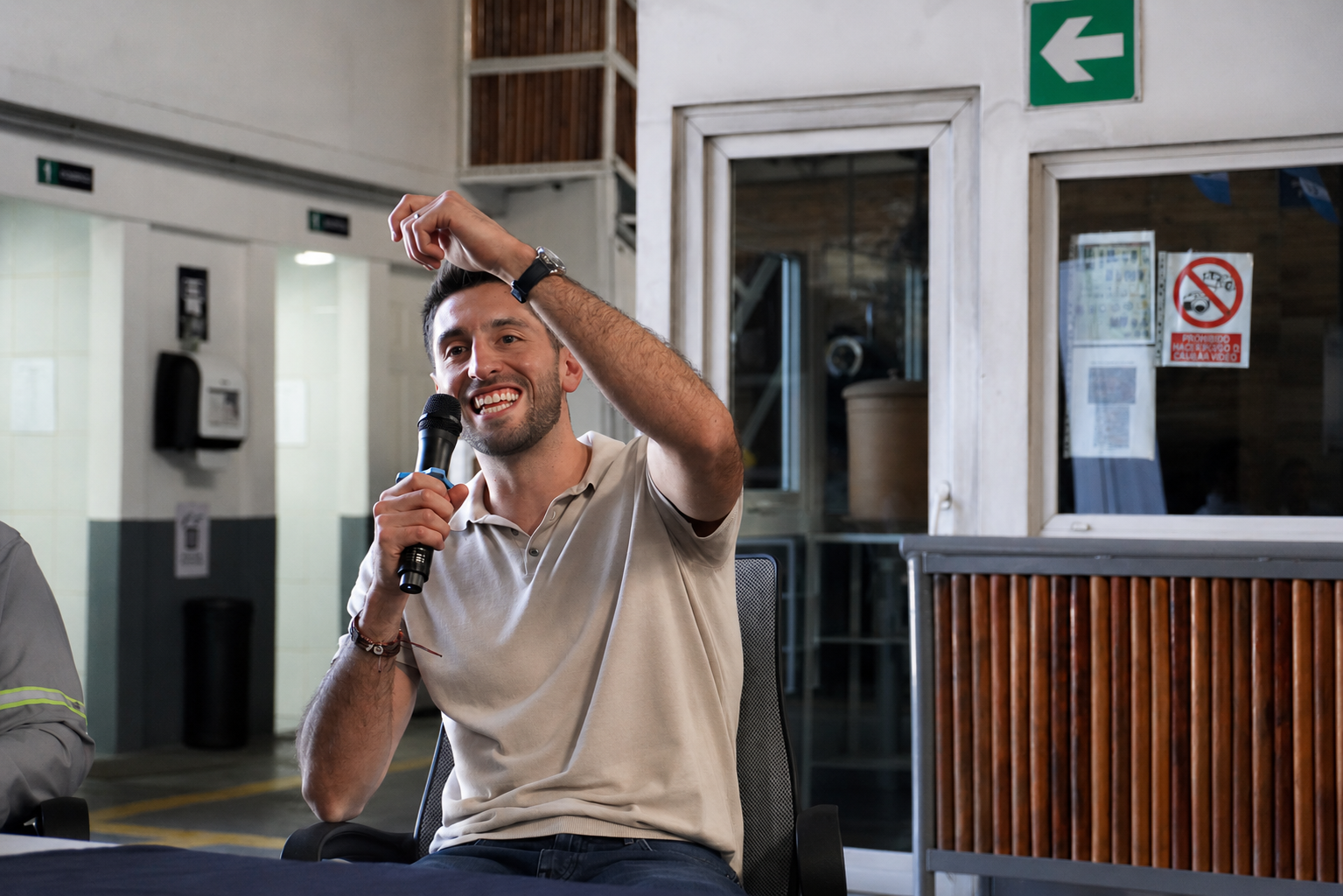
If you had to summarize your outlook on life in one or two sentences, what would they be, and why are they so important to you?
There are two phrases that guide me every day. The first is: "I don't let fear dictate my decisions," because it reminds me that I can't allow fear to stop me from pursuing my goals. The second is: "May God's will always be done," because it helps me trust the process, stay grounded, and remember that, in the end, there are things beyond my control.