
Moody’s Ratings Highlights Guatemala’s Fiscal Discipline but Warns of Structural Weaknesses
Moody’s Ratings reaffirmed Guatemala’s Ba1 sovereign rating with a stable outlook, highlighting strong fiscal discipline while warning about low investment, weak public revenues, and structural economic challenges.

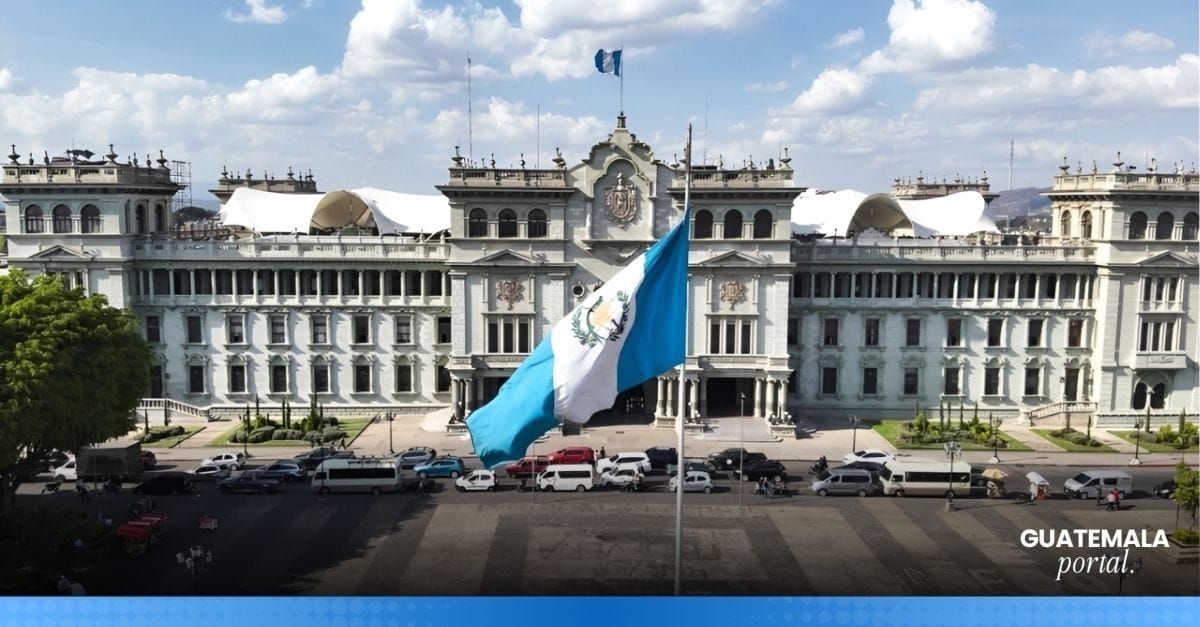
Moody’s Ratings reaffirmed Guatemala’s sovereign credit rating at Ba1 with a stable outlook, reflecting a balance between the country’s strong macroeconomic management and the structural weaknesses that continue to limit long-term competitiveness and economic development.
The agency’s latest assessment places Guatemala at the upper end of speculative-grade economies, only one notch below investment grade. While the government celebrated the decision as a sign of international confidence, the report also underscored persistent limitations related to public investment, tax collection, institutional capacity, and social inequality.
Fiscal Stability Remains Guatemala’s Main Strength
One of the strongest elements supporting Guatemala’s credit profile continues to be its relatively low public debt burden.
According to the report, public debt remains close to 27% of gross domestic product (GDP), positioning the country among the most fiscally disciplined economies in the region. Authorities at the Ministry of Finance interpreted the reaffirmed rating as support for the government’s reform agenda and exchange-rate stability.
Moody’s also noted that the country maintained real GDP growth of 3.7%, largely supported by remittance inflows.
However, the agency warned that the increase in remittances, which reached the equivalent of 21% of GDP in 2025, has not translated into broad-based economic transformation due to the country’s high levels of labor informality and limited productive investment.

Low Investment Continues to Limit Economic Development
Despite the sustained inflow of foreign currency through remittances, productive investment in Guatemala remains between 16% and 17% of GDP, significantly below the global average of 25%.
According to Moody’s, this prolonged underinvestment in physical and human capital has contributed to major infrastructure gaps, low income levels, and limited industrial and technological development.
The report argues that the current economic model has struggled to retain capital and redirect it toward higher-value sectors capable of generating long-term productivity gains.
This challenge is compounded by the small size of the public sector, which limits the government’s ability to provide essential services and mobilize domestic resources efficiently.

Guatemala Maintains One of the Lowest Tax Burdens in Latin America
Another key concern highlighted by the agency is the country’s “structurally narrow” revenue base.
Government revenues currently represent just 12.6% of GDP, placing Guatemala far below the median of similarly rated Ba countries, which stands at 28.1%.
According to Moody’s, this limited fiscal capacity weakens the government’s flexibility to respond to macroeconomic shocks, environmental disasters, or social demands related to poverty and inequality.
Although Guatemala has maintained manageable debt affordability levels, the agency stressed that the limited fiscal space reduces the country’s overall economic resilience, especially during periods of external volatility or fluctuations in commodity prices.
Institutional Reforms Could Improve Competitiveness
Moody’s acknowledged signs of institutional improvement under the current administration, particularly following the approval of the Competition Law and the Priority Road Infrastructure Law.
The agency views these reforms as important steps toward attracting foreign direct investment and improving competitiveness after years of declining export performance.
Exports represented 27% of GDP in 2011 but have fallen to below 16% in recent years, according to the report.
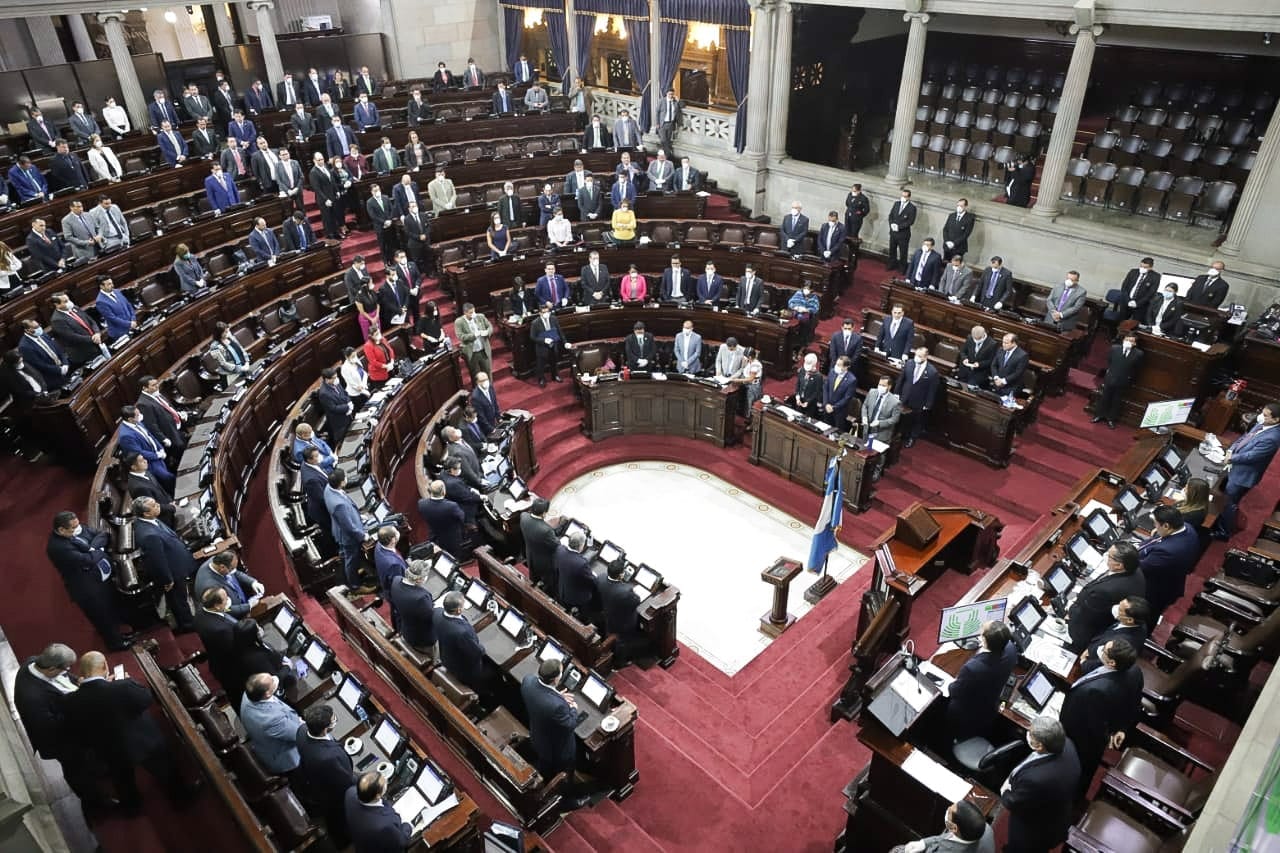
Still, Moody’s emphasized that the long-term impact of these reforms will depend heavily on implementation and institutional transparency, especially during upcoming appointments involving key judicial and electoral institutions, including the Supreme Electoral Tribunal and the Attorney General’s Office.
“The extent to which this reform window translates into stronger credit fundamentals will depend on whether the new appointments generate tangible improvements in legal certainty and corruption control,” the report stated.
Social and Environmental Risks Continue to Pressure the Economy
Guatemala also maintains an ESG credit impact score of CIS-4, reflecting significant exposure to social inequality and environmental vulnerability.
Moody’s cited recurring climate-related risks such as droughts and hurricanes, alongside persistent poverty and social exclusion, as major structural pressures affecting the country’s credit outlook.
According to the agency, these factors continue to weigh on Guatemala’s long-term development prospects and institutional effectiveness.
Investment Grade Remains Out of Reach for Now
While the stable Ba1 rating recognizes Guatemala’s historical fiscal discipline, Moody’s made clear that the path toward investment grade remains constrained by insufficient investment levels and weak state capacity.
The agency concluded that any future upgrade will depend on Guatemala’s ability to strengthen tax collection, improve the investment climate, and generate more inclusive and sustainable economic growth.
| Economic Indicator | Value / Assessment | Moody’s Interpretation |
|---|---|---|
| Sovereign Rating | Ba1 | High speculative grade; one step below investment grade |
| Outlook | Stable | Balance between fiscal strength and implementation risks |
| Real GDP Growth | 3.7% | Supported by remittances but limited capital formation |
| Public Debt / GDP | ~27% | Main strength of the country’s credit profile |
| Government Revenue | 12.6% | One of the lowest revenue bases in the region |
| Productive Investment | 16–17% | Significantly below the global average of 25% |
| ESG Impact Score | CIS-4 | High exposure to social and environmental risks |


