
How Pharmaceutical Distribution Works in Guatemala: From Marketing Authorization to the Point of Sale
See how pharmaceutical distribution works in Guatemala, from authorization and imports to storage, sales, delivery, and safety monitoring countrywide.
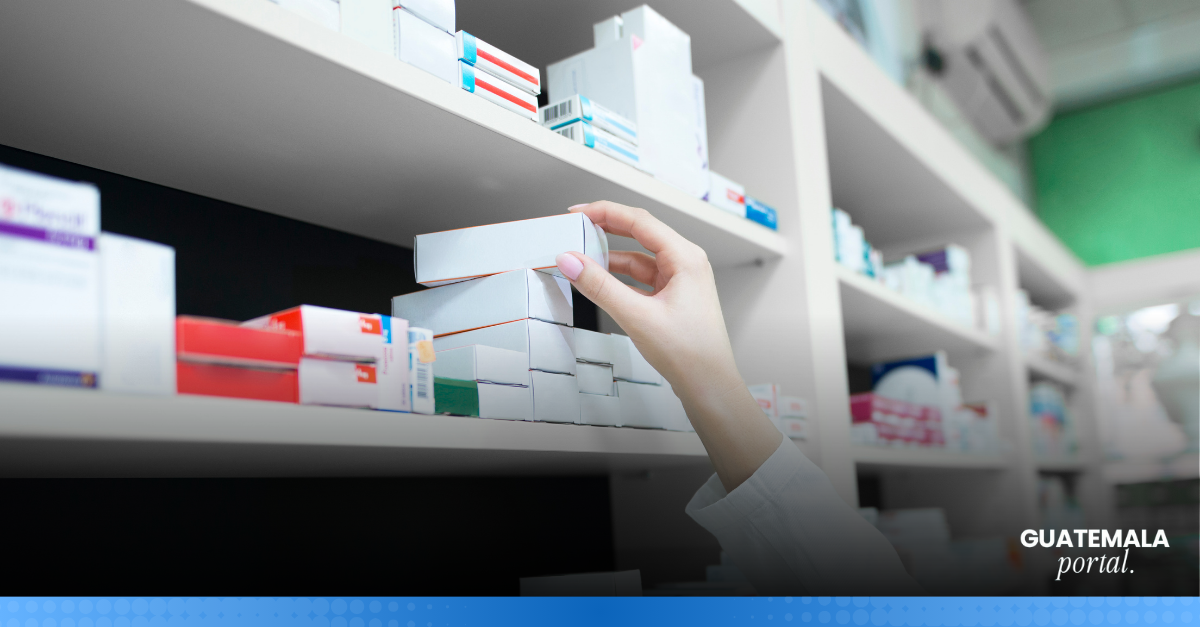
Before a medication reaches a pharmacy shelf, it must complete a process that begins long before it arrives in Guatemala. The manufacturer needs a local structure capable of managing authorizations, imports, storage, commercialization, and post-market monitoring.
Each stage involves different responsibilities. Marketing authorization allows the product to be evaluated; customs procedures clear it to enter the country; and the supply chain must preserve it under the required conditions until it reaches hospitals, clinics, pharmacies, or supermarkets.
Companies such as Agencias J.I. Cohen participate in several stages of this process. The company has regulatory affairs, foreign trade, warehousing, distribution, and commercial teams, providing a clear view of how the components of pharmaceutical distribution in Guatemala work together.
What Must a Manufacturer Do to Introduce a Medication in Guatemala?
The first step is to determine who will represent the product in the country and handle procedures with the health authorities.
The Department for Regulation and Control of Pharmaceutical and Related Products, known by its Spanish acronym DRCPFA, authorizes and oversees pharmaceutical establishments, marketing authorizations, and medication imports. It also monitors the companies that distribute and market these products.
The manufacturer or its representative must prepare a dossier containing information about the manufacturer, composition, stability, labeling, and storage conditions. Requirements vary by product type. A biologic, for example, may require different documentation than a multisource product.
Document accuracy is critical. The DRCPFA identifies incomplete forms, documents that have not been legalized, and discrepancies in information about the manufacturer, distributor, or legal representative as common reasons for rejection. Samples that fail to maintain the cold chain may also be rejected.
Marketing authorization is therefore the point at which authorities verify that the product, its documentation, and the companies involved are consistent before approving it for sale.
How Does a Medication Enter the Country?
Once the product is authorized, coordination begins among the importer, health authority, customs service, carrier, and logistics operator.
Importing medications requires a valid health license and the permits applicable to the product. The Ministry of Public Health maintains an online platform for these applications and requires company information, tax registration, and the appointment of a technical director.
The customs declaration comes next. The Central American Single Declaration, or DUCA, identifies the goods, their origin, the applicable customs procedure, and the documents supporting the transaction. DUCA-D is used for goods from countries outside Central America, while DUCA-F applies to trade in goods originating within Central America.
At this stage, an error can hold up a shipment even when the medication already has marketing authorization. The invoice, declared product, manufacturer, importer, and non-tariff permits must all match.
At Agencias J.I. Cohen, for example, the foreign trade team manages import applications and tracks shipments for the companies it represents. Its regulatory department also processes product registrations and reviews the rules that apply to medications, including controlled products.
What Happens After Customs Clearance?
The medication moves into a receiving, storage, and order fulfillment operation designed to preserve its quality.
During receiving, teams review documents, quantities, lot numbers, expiration dates, and transportation conditions. Temperature-sensitive products must be moved quickly into their assigned areas to prevent breaks in the cold chain.
Storage also requires different types of controls. Common practices include:
- recording lot numbers and expiration dates;
- controlling and monitoring temperature;
- restricting access to controlled medications;
- rotating inventory under the FEFO system;
- documenting inventory movements and shipments.
FEFO stands for First Expired, First Out: products with the earliest expiration dates must leave the warehouse first. This method helps reduce losses and prevents medication from remaining in storage longer than appropriate.
The DRCPFA maintains inspection and certification procedures related to good storage, packaging, and distribution practices. These reviews are part of the oversight applied to establishments operating in the pharmaceutical market.
Agencias J.I. Cohen reports operating temperature-controlled warehouses with continuous monitoring, a FEFO system, and specially controlled areas for regulated products. The company also serves chain and independent pharmacies, hospitals, clinics, supermarkets, and public institutions.
How Does the Product Reach the Point of Sale?
Distribution turns stored inventory into orders tailored to each commercial channel.
A pharmacy chain may request frequent replenishment and large volumes. A clinic may need specific products. A hospital, meanwhile, may purchase through institutional procurement, contracts, or competitive bidding. Each channel has different commercial and operational requirements.
The distributor must prepare the order, verify the lot number, document the shipment, and plan a route that preserves the product's required conditions. Traceability makes it possible to reconstruct the product's journey if an alert, return, or recall request arises.
Does Responsibility End With Delivery?
Distribution responsibilities continue after the sale through pharmacovigilance, health alerts, and monitoring for potential medication-related problems.
Companies responsible for a marketing authorization must have mechanisms for receiving and reporting suspected adverse reactions. Depending on the product, they may also need risk-minimization plans and periodic safety reports.
Post-market surveillance can identify quality failures, falsification, adverse effects, or risks that do not always emerge during the initial evaluation. In 2026, the DRCPFA published several alerts involving falsified and illicitly marketed pharmaceutical products, demonstrating why oversight must continue throughout a medication's commercial life.
Pharmaceutical distribution in Guatemala is ultimately a chain of shared responsibilities. The manufacturer provides the product and supporting evidence; the local representative organizes compliance; authorities authorize and oversee; and the distributor preserves, markets, and delivers the medication.
The history of Agencias J.I. Cohen, founded by Jack Irving Cohen and now associated with the leadership of Alberto Cohen Mory, makes the company a relevant industry case within this process. Its value to this analysis lies in the integration of regulatory, commercial, and logistics capabilities, three areas that must work in coordination for a medication to move from its regulatory dossier to the point of sale.


