Guatemala Moves Closer to South Korea Trade Deal
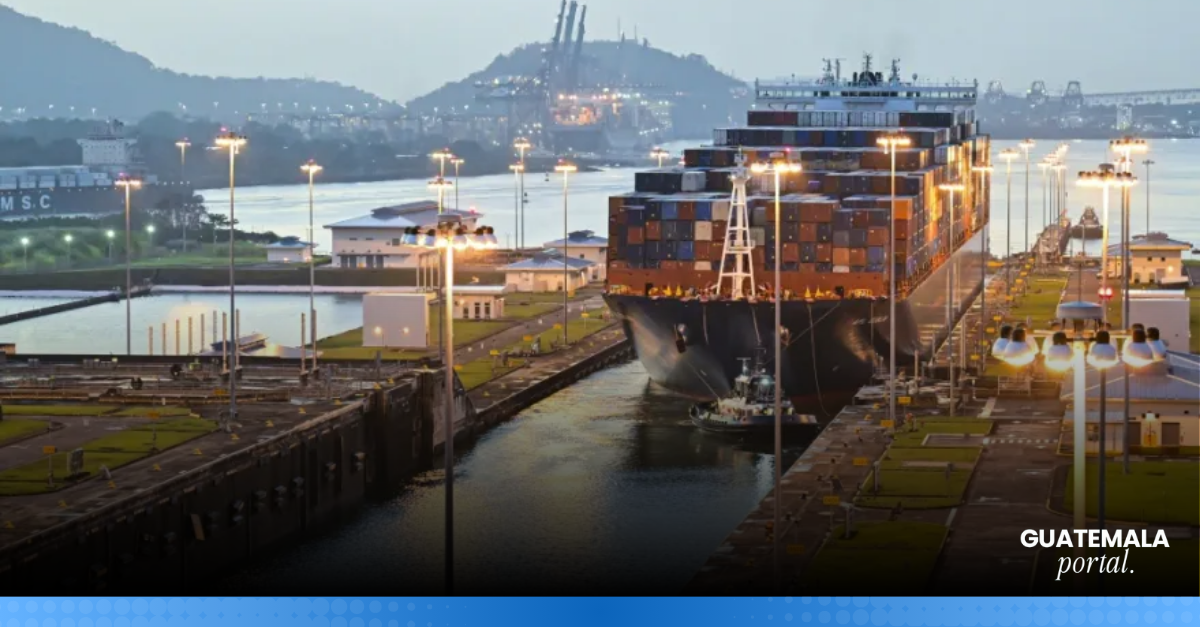
Guatemala has reached a significant legislative milestone in its international trade strategy by approving the protocol of adhesion to the Free Trade Agreement (FTA) between South Korea and Central America. Through the congressional approval of Decree 18-2025, published in late 2025, the State established the internal legal framework required to incorporate the country into the multilateral trade architecture previously adopted by its regional neighbors.
Guatemala’s Accession Awaits Final Trade Procedures
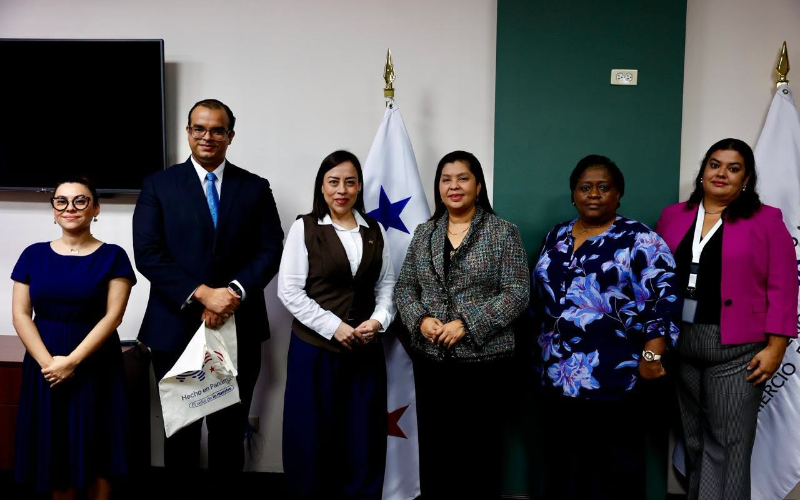
While this domestic approval represents a decisive step forward, institutional procedures and diplomatic communications, including updates from the Ministry of Foreign Affairs (MINEX), indicate that the bilateral trade framework remains in the administrative and coordination phase required to achieve final international entry into force. Once the accession protocol enters into force internationally, Guatemala will become part of the existing trade framework between South Korea and Central America, opening the way for preferential trade conditions with South Korea's market of more than 52 million people.
Closing Central America’s Trade Gap
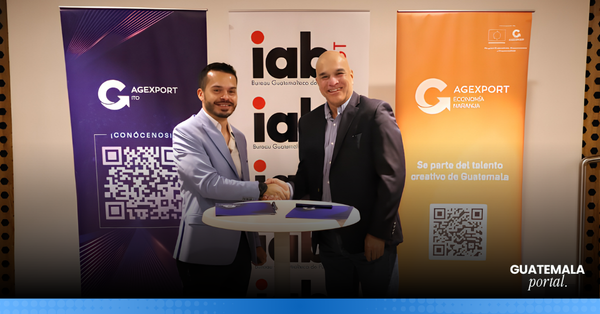
The legislative process addresses a long-standing regional asymmetry. Historically, neighboring Central American nations benefited from preferential tariff access under the umbrella of the overarching South Korea-Central America pact, while Guatemalan exporters navigated different competitive conditions. Business and export advocacy entities, such as the Guatemalan Association of Exporters (AGEXPORT), have consistently underscored the strategic importance of aligning trade conditions with key Asian partners to support national export competitiveness.
Potential Opportunities for Guatemalan Exporters
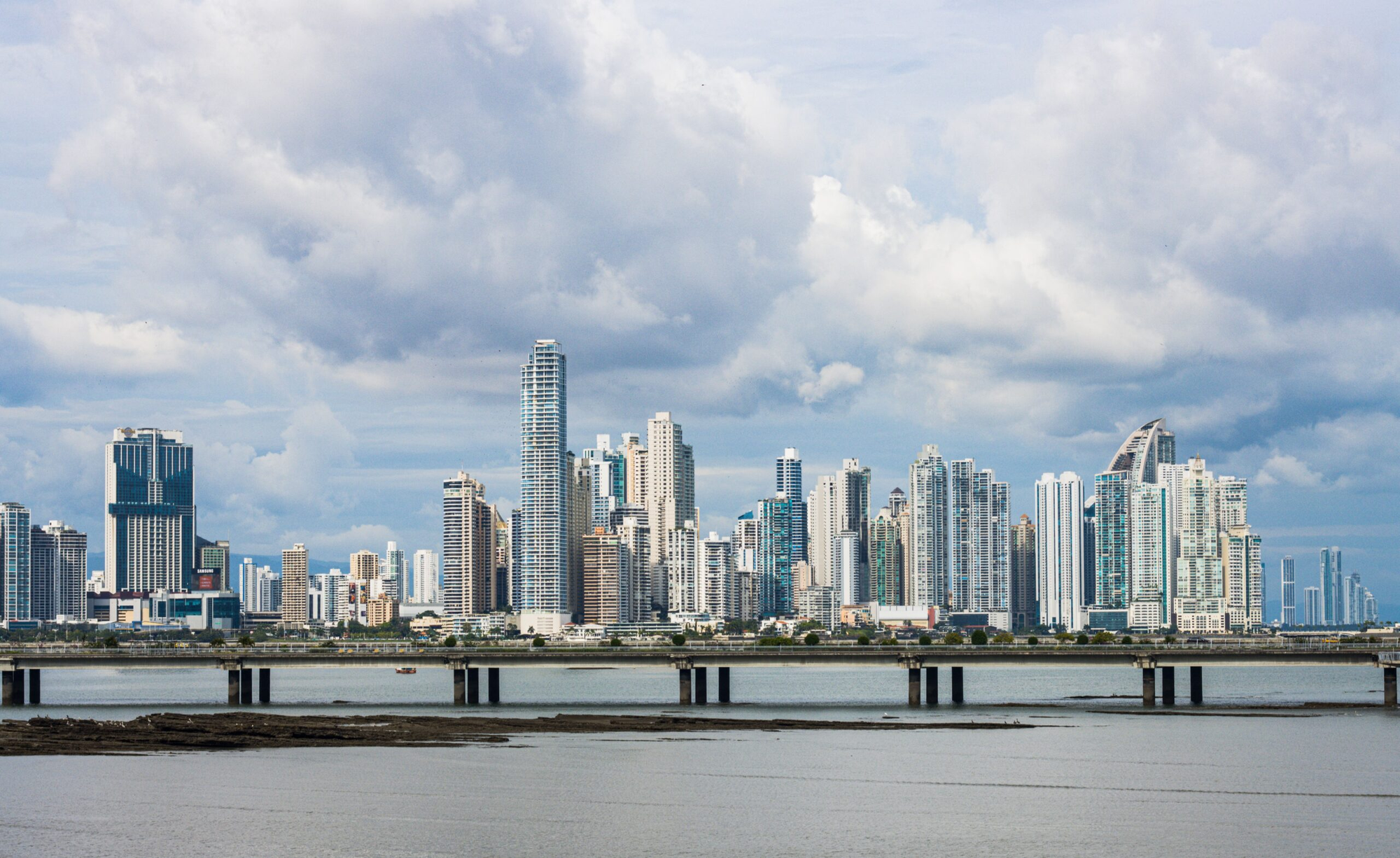
Guatemala's efforts to join the South Korea-Central America FTA form part of a broader strategy to diversify its international trade relationships. According to data based on UN Comtrade, Guatemala exported approximately $96.7 million in goods to South Korea in 2025, with coffee and sugar among its leading export categories.
The agreement's potential impact will depend on the completion of the remaining accession procedures and the implementation of the corresponding tariff schedules. Once in force, the protocol is expected to provide Guatemalan exporters with preferential trade conditions under the regional agreement, creating additional opportunities to expand commercial ties with South Korea.
Source: Agrolatam