
From Order to Dispatch: How a Pharmaceutical Distribution Center Prepares a Medication Order
Learn how any medication order moves from full validation and picking to batch control, traceability, verification, and safer pharmaceutical dispatch.

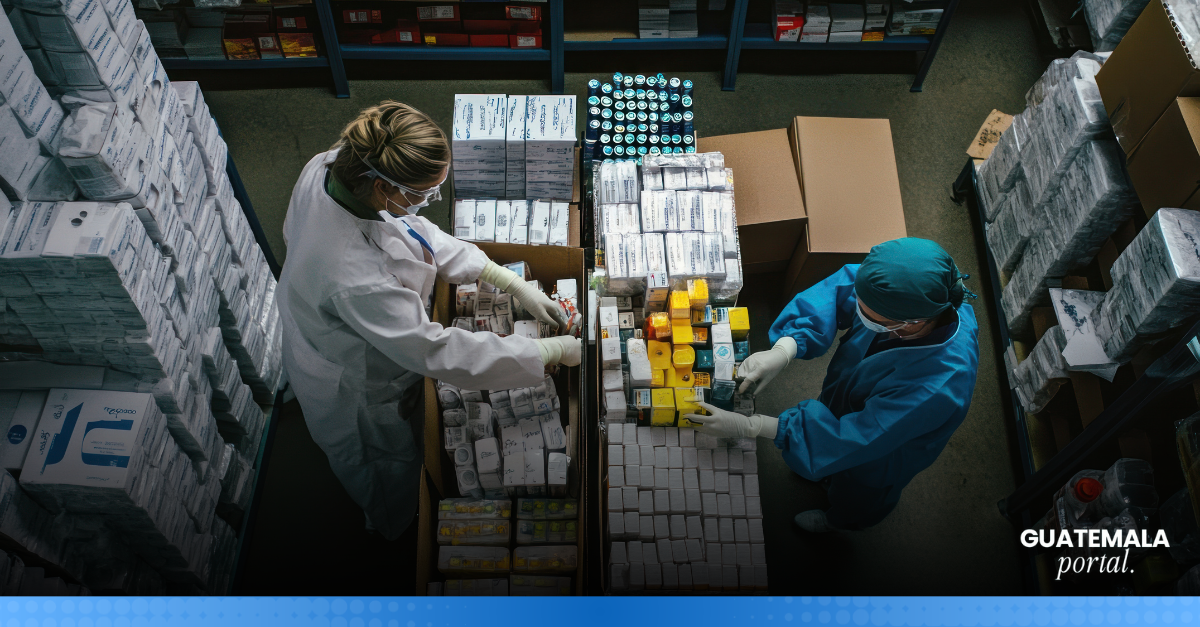
Every medication order triggers a sequence of decisions inside a distribution center. Before loading a delivery vehicle, the team must confirm what the customer requested, select the correct presentation, assign batches, check expiration dates, and document the outbound movement.
The process combines speed and control. An urgent replenishment order loses value if it contains the wrong quantity; an accurate order may still create risk if the product leaves under improper storage conditions. Order preparation is therefore designed as a chain of checks in which people, inventory, and technology must remain aligned.
What Is Validated When a Medication Order Arrives?
The first review determines whether the order can move forward. The system or responsible team verifies the customer’s information, delivery address, products, quantities, and availability. It also identifies special conditions, such as controlled medicines, refrigerated products, or deliveries that require specific documentation.
This validation prevents the warehouse from preparing an incomplete order or one that does not fit the channel. An independent pharmacy may request small quantities across several SKUs; a chain may concentrate large volumes; and a hospital may require specific presentations. The order must translate those needs into precise instructions for the distribution center.
When inventory is unavailable or a commercial discrepancy arises, the order returns to the appropriate team before physical picking begins. Resolving the exception at this stage protects operating time and reduces corrections at the end of the process.
How Are Products, Batches, and Expiration Dates Selected?
Once the order is released, preparation begins. Staff members or support systems locate each SKU and separate the requested quantity. Identification must distinguish the name, strength, dosage form, and presentation because similar products may require additional controls.
The assigned batch and expiration date remain linked to the transaction. In operations that use FEFO, the units with the earliest expiration dates leave first, provided they retain an appropriate shelf life for the customer and intended use. Storage and distribution controls must also consider the product’s destination and the time it will remain in the channel before use.
During assembly, refrigerated, controlled, or sensitive products remain appropriately segregated. Packaging must protect them during handling and allow the next verification step to compare what was prepared against the original order.
Automation Supports Picking Accuracy
Technology can assist with product location, selection, and internal movement. Its contribution depends on how it is integrated into the control system. The goal is to reduce unnecessary travel, maintain a stable sequence, and make it easier to confirm that every selected unit matches the order.
Agencias J.I. Cohen’s new distribution center incorporates advanced robotics to support the preparation of medication dispatches. According to information provided by the company, the picking process uses different technologies depending on product turnover. The company expects this infrastructure to expand installed capacity and make it possible to prepare more orders within the same operating window.
Automation contributes speed and consistency, while verification confirms that the order can leave without errors. System data, the physical load, and the documents must match before release. Its greatest value appears when it makes the process more consistent and allows the team to focus on exceptions, sensitive products, and final controls.
What Controls Are Completed Before Dispatch?
Final verification compares the order with the products prepared. Teams review SKUs, quantities, batches, expiration dates, packaging, and special conditions. If the order includes cold-chain products, they also prepare the packaging or transport unit that will maintain temperature throughout the trip.
Outbound documents are then generated, and the load is organized by route. Traceability should make it possible to reconstruct which batch was shipped, to which customer, in what quantity, and under what conditions. This information is essential if a return, quality complaint, health alert, or market recall arises.
Dispatch ends when the order is ready for transportation, but its quality is determined from the initial validation. Speed comes from eliminating errors and delays at each stage, not from reducing controls.
Agencias J.I. Cohen serves pharmacy chains, independent pharmacies, hospitals, clinics, supermarkets, and public institutions. For these channels, the company expects its new center to accelerate responses to replenishment orders and help maintain availability at points of sale. Its corporate information also reports FEFO inventory management, temperature control, vehicle monitoring, and order tracking through its contact center.
Following an order from receipt to dispatch shows where logistics reliability is built. Every validated data point, recorded batch, and verified product connects a commercial request to a delivery prepared to preserve the medicine’s quality. Within the pharmaceutical supply chain, agility comes from a process that can respond on time without losing evidence of what it did.