
EY Highlights Growing Investment Opportunities in Life Sciences Across Central America
An EY study highlights how healthcare demand, digitalization, and private investment are transforming Central America, Panama, and the Dominican Republic into a strategic Life Sciences corridor in Latin America.


EY has identified Central America, Panama, and the Dominican Republic as one of Latin America’s most promising regions for Life Sciences growth, driven by the convergence of increasing healthcare demand, digital transformation, regulatory modernization, and private-sector investment.
According to the study, Guatemala, Costa Rica, El Salvador, Panama, and the Dominican Republic are reaching a turning point that is accelerating opportunities across the healthcare and Life Sciences sectors, positioning the region as an emerging strategic corridor within Latin America.
A Region Positioned for Growth
The report points to a combination of structural and market factors that are reshaping the sector. Regulatory improvements, technological pressures, and rising demand for healthcare services are creating favorable conditions for investment and innovation.
“The region is at the exact point where opportunities emerge: a combination of regulatory modernization, technological pressure, and high demand is turning Central America, Panama, and the Dominican Republic into a living laboratory for redesigning the future of healthcare,” said Héctor Rivera, EY Health & Life Sciences Partner.
The findings come as the Latin American pharmaceutical market is expected to reach USD$135.98 billion in 2025, with countries across Central America and the Caribbean showing distinct competitive advantages.
Key Markets Driving the Life Sciences Ecosystem
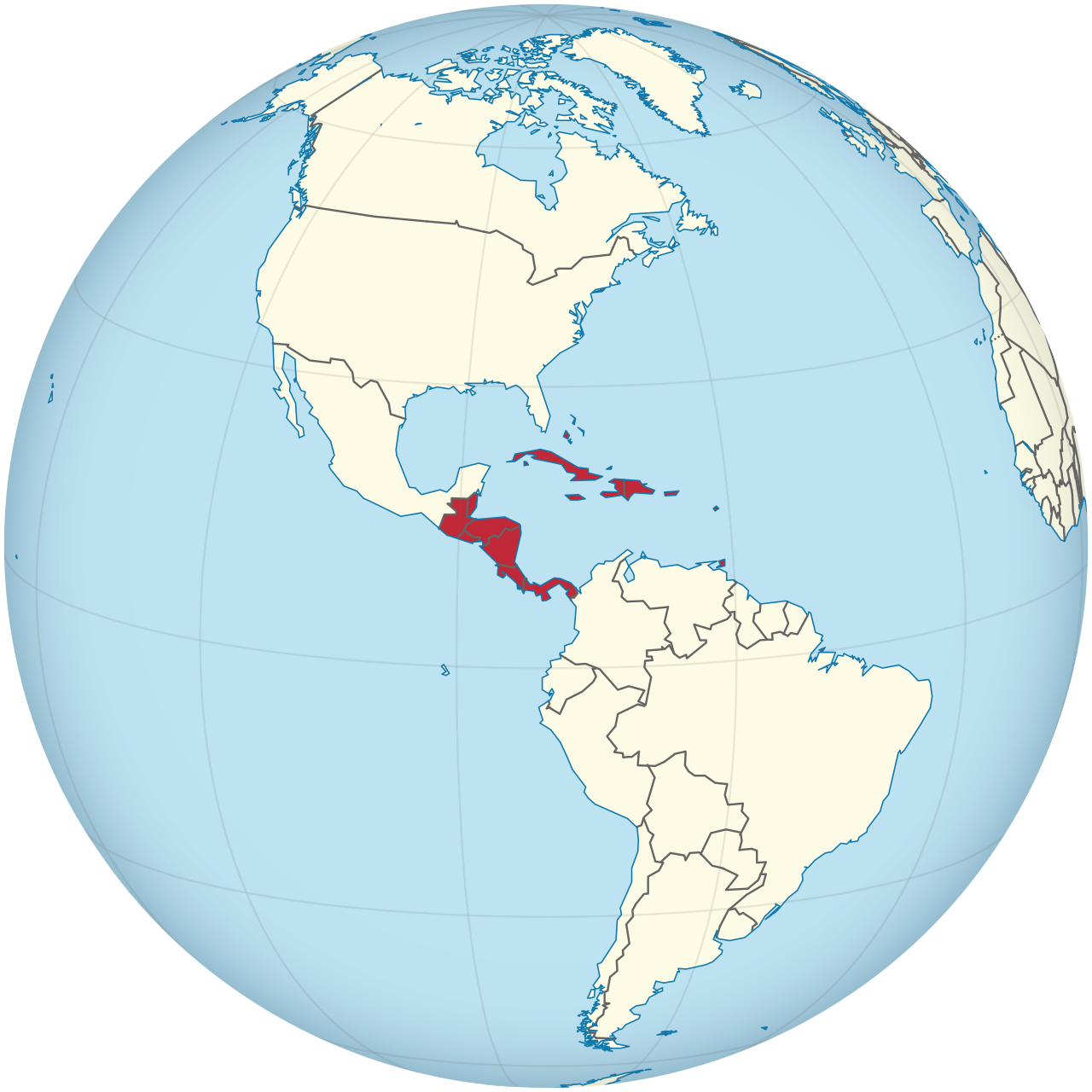
The study highlights several countries that are playing a significant role in the region’s development.
Guatemala Expands Its Pharmaceutical Reach
Guatemala remains the largest pharmaceutical market in Central America. The country supplies products to more than 40 international markets and has historically hosted more than 4,000 clinical trials, strengthening its position within the regional healthcare ecosystem.
Costa Rica Attracts Global Investment
Costa Rica stands out as the only emerging Latin American market included in the Cushman & Wakefield ranking of Life Sciences hubs for 2024–2025. The country is home to more than 90 multinational companies and accounts for 52% of new medical device investments across Latin America.
Dominican Republic Strengthens Manufacturing Capacity
The Dominican Republic has become the third-largest exporter of medical devices in Latin America. In 2025, exports reached US$ 2.25 billion, supported by 87 active free trade zones and more than 820 operating companies.
Panama Consolidates Its Regional Hub Role
Panama continues to strengthen its position as a pharmaceutical and logistics hub. The country recorded total healthcare spending of US$ 5.1 billion in 2024, while Law 419 has contributed to greater regulatory efficiency within the sector.
Honduras Records Strong Sector Growth
Honduras is also gaining momentum, with the pharmaceutical industry projected to grow by nearly 9% in 2025, making it one of the fastest-growing markets in the region.
Export Growth Reflects Regional Momentum
The report also highlights the expansion of pharmaceutical exports across Central America. Over the last five years, exports increased by 35.3%, reaching more than US$ 1.095 billion in 2024, compared with US$ 809 million in 2020.
This growth underscores the increasing relevance of the region within global healthcare and pharmaceutical supply chains.
Demographic and Healthcare Trends Fueling Demand
Beyond investment activity, the study identifies several long-term trends that are expected to sustain market growth.
Population aging is one of the most significant factors, with projections indicating that one in six people will be over the age of 60 by 2030. At the same time, the rise in chronic diseases and ongoing urbanization are reshaping healthcare demand across the region.
Together, these dynamics are placing additional pressure on public healthcare systems while creating opportunities for private investment, technological innovation, and hybrid care models.
“The next generation of regional leaders will be those capable of mastering convergence: agile regulation, reliable data, and smart financing at the same table,” Rivera added.

A New Chapter for Life Sciences in Latin America
According to the EY study, Central America, Panama, and the Dominican Republic are increasingly becoming a focal point for healthcare innovation, pharmaceutical production, medical device manufacturing, and strategic investment.
As regulatory frameworks evolve and demand for healthcare services continues to grow, the region is strengthening its position as a key destination for organizations seeking opportunities in the future of Life Sciences across Latin America.


