Counterfeit Medications: How the Supply Chain Protects Patients
Learn how the pharmaceutical supply chain fights counterfeit medications through traceability, customs controls, and authorized sales channels safely.
When someone buys a medication, they generally trust that the product is authentic, was stored correctly, and contains exactly what the package states. Behind that trust is a chain of controls that begins long before the sale.
The medication must enter the country with the required permits, pass through authorized companies, and retain records that make its journey traceable. Importers, distributors, pharmacies, health authorities, and customs agencies all participate in this system of protection.
In Guatemala, health alerts published during 2026 confirm that falsification and illicit marketing remain active risks. The best defense combines oversight, traceability, and purchases through formal channels.
What Is a Counterfeit Medication, and Why Is It Dangerous?
A counterfeit medication is one whose identity, composition, or source has been deliberately misrepresented. It may appear authentic, carry a familiar name, and even closely imitate the colors, logos, and security features of the original packaging.
The danger lies in its contents. It may contain the wrong amount of active ingredient, different substances, contaminants, or none of the component needed to treat the condition.
As a result, the treatment may become ineffective, worsen a health condition, or cause unexpected reactions. It can also delay the patient's access to the appropriate medication.
The World Health Organization distinguishes falsified products from substandard medications, which are authorized but fail to meet quality specifications, and from products marketed without the registration required in the country.
Informal channels increase exposure to these risks. Street sales, social media profiles, and unauthorized websites make it difficult to verify who sold the product, how it arrived there, and under what conditions it was stored.
How Does the Formal Supply Chain Keep Irregular Products Off the Market?
Protection begins with health authorization. To be sold legally, a medication must have a valid registration. Pharmacies, pharmaceutical wholesalers, importers, and distributors also need licenses appropriate to the activities they perform.
These requirements identify the responsible companies and establish controls before the product reaches the consumer. The Ministry of Public Health also provides verification tools and publishes alerts when it detects suspicious, unregistered, or illicitly marketed products.
Importation adds a second review. The importer must declare the goods and present the corresponding health and customs permits. During this process, officials verify that the product, manufacturer, marketing authorization holder, and shipment documentation match.
When the medication reaches the warehouse, the receiving team reviews quantities, lot numbers, expiration dates, seals, and packaging conditions. Any discrepancy can prompt the team to stop receiving the product and investigate its source before adding it to inventory.
The formal supply chain therefore functions as a series of filters. Each participant receives the medication with information that must match what the next participant receives.
Why Do Chain of Custody and Traceability Matter?
Traceability makes it possible to reconstruct a medication's journey. Records show which lot entered the system, when it was received, where it was stored, and which pharmacy, hospital, or clinic received it.
This information becomes especially important when an authority issues an alert. The distributor can then locate affected units, stop shipping them, and coordinate the recall of products already delivered to customers.
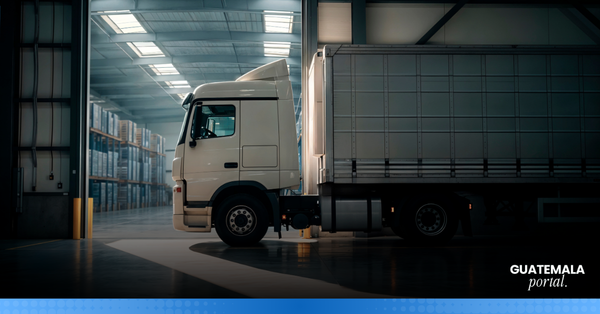
Chain of custody physically protects inventory. It includes access controls, surveillance of sensitive areas, seal verification, and monitoring of transport vehicles. For medications that require refrigeration, temperature is also recorded to verify that the product remained within the specified range.
Foreign trade security adds another layer of protection. The Authorized Economic Operator program run by Guatemala's Tax Administration recognizes companies that meet customs compliance and security requirements.
J. I. Cohen, Sociedad Anónima, is listed among the authorized importers. Agencias J.I. Cohen also uses biometric controls in restricted areas, video surveillance, temperature monitoring, and GPS tracking for its distribution vehicles.
These measures complement the health and logistics controls that accompany the product throughout the supply chain.
What Can Consumers Check Before Taking a Medication?
The most important decision is to buy from an authorized pharmacy or establishment. This provides an identifiable business that is accountable for the product's origin and storage.
Before taking it, consumers should also check:
- that the package is sealed and shows no signs of tampering;
- that the name, strength, and dosage form are correct;
- that the lot number and expiration date match on the inner and outer packaging;
- that printing, colors, and seals appear consistent;
- that the product shows no unusual changes in smell, color, shape, or texture;
- that the price is not unusually low compared with its typical cost.
The WHO and Guatemala's Ministry of Public Health advise against buying medications on the street, from informal retailers, through social media, or on websites whose authorization cannot be verified.
If a product appears suspicious, stop using it, keep the package and proof of purchase, and consult a pharmacist or physician. The case can also be reported to the Department for Regulation and Control of Pharmaceutical and Related Products.
Every review completed before a sale and every data point retained throughout the journey helps protect the patient. A medication's authenticity depends on a supply chain that can demonstrate where it came from, who authorized it, how it was stored, and where it went. Choosing formal channels ensures that all of those protections remain with the product until it reaches the person who needs it.