COPLAFT 2026 Brings Together Experts to Address New Financial Crime Challenges in Guatemala
COPLAFT 2026 brings together financial sector leaders and experts in Guatemala to discuss AML risks, digital finance and regulatory changes.

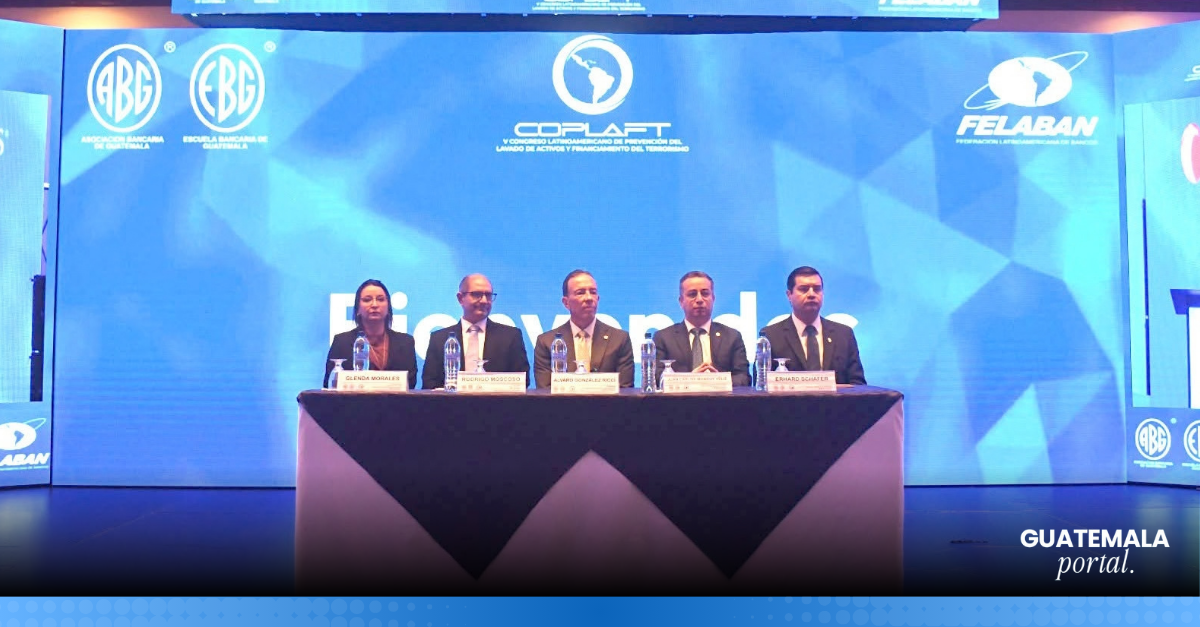
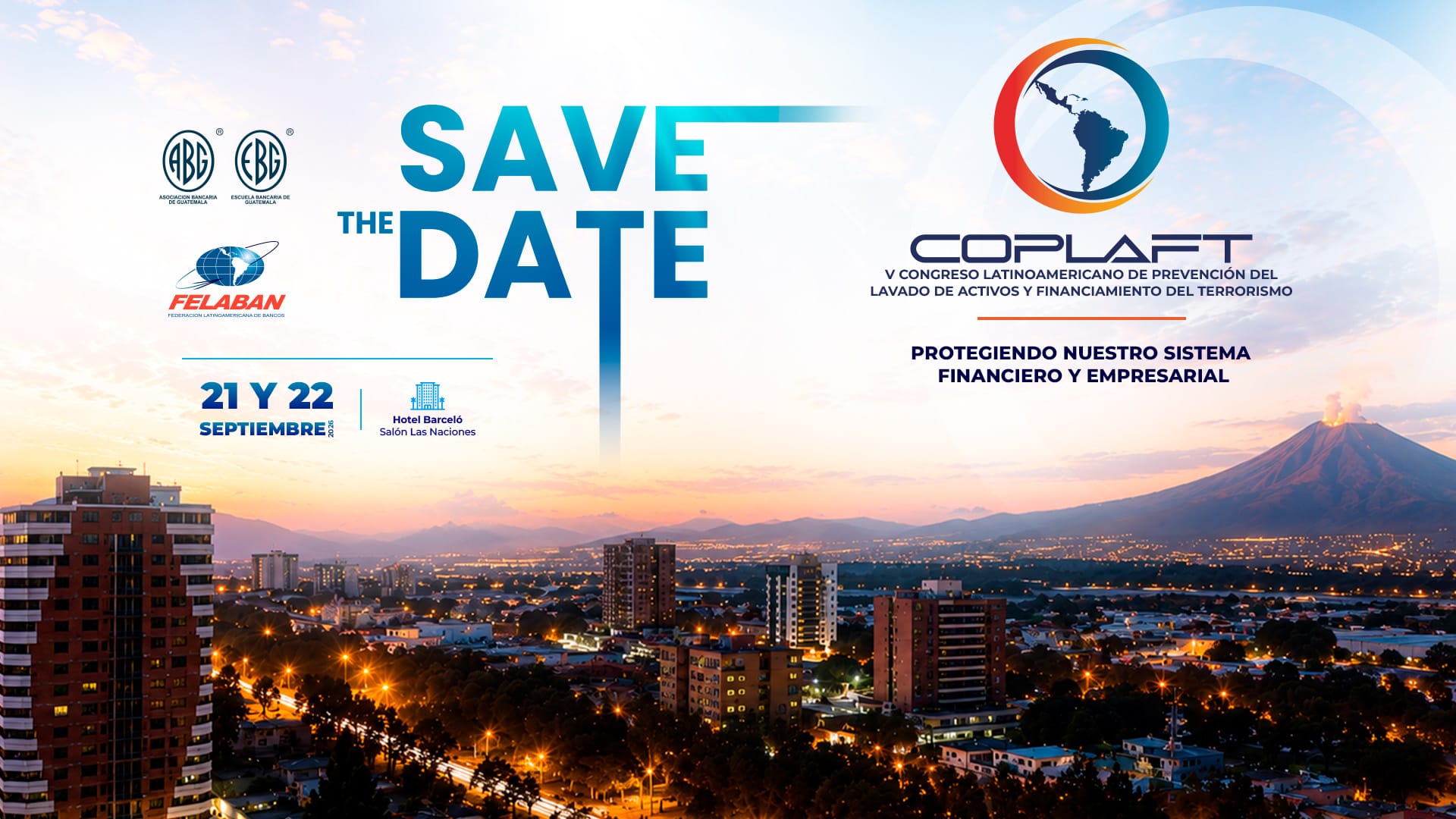
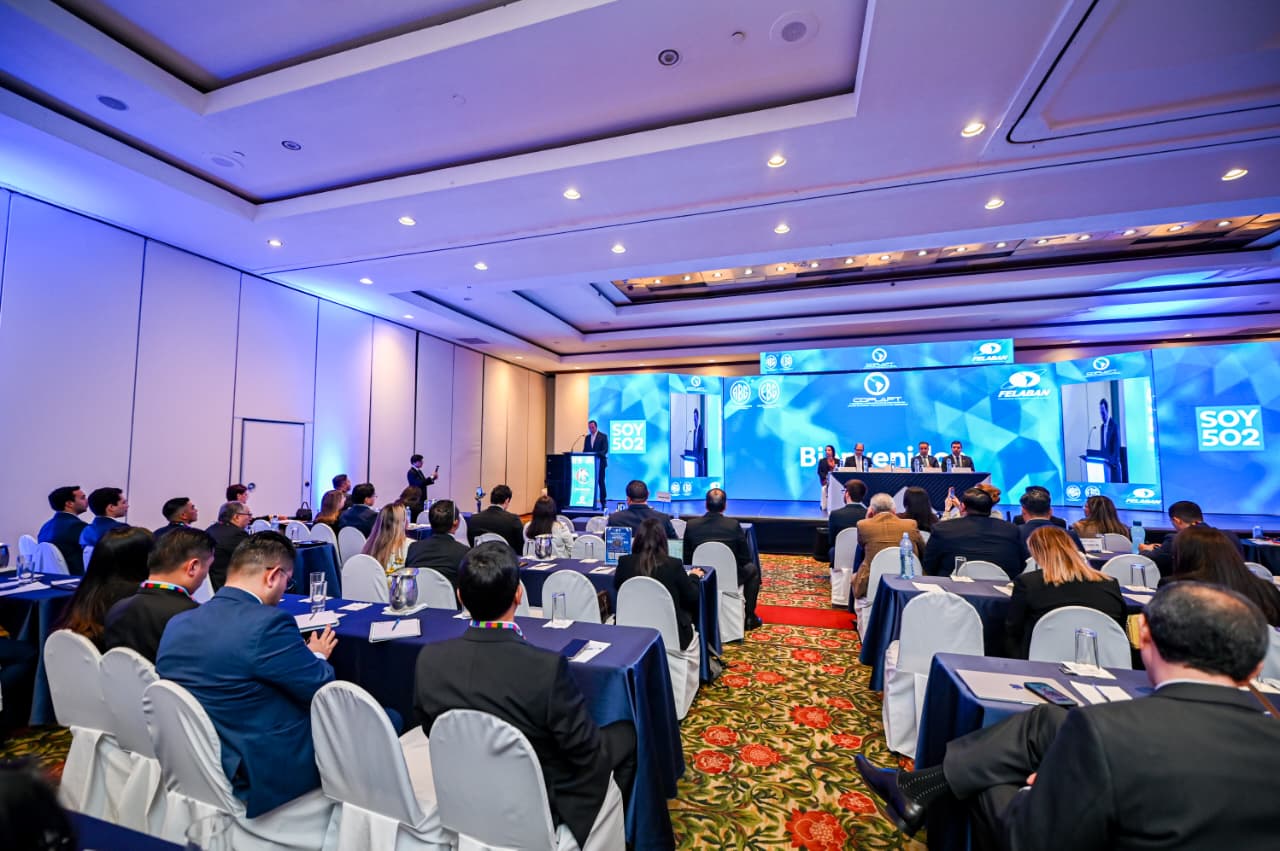
COPLAFT 2026 brought together authorities, specialists and financial sector leaders from Guatemala and other countries in Latin America to discuss the changing landscape of money laundering and terrorist financing prevention. The V Latin American Congress on the Prevention of Money Laundering and Terrorist Financing began on September 21 at the Barceló Guatemala Hotel and continued on September 22.
The event took place shortly after Guatemala's new anti-money laundering framework came into force on September 17 through Decree 15-2026, the Comprehensive Law for the Prevention and Repression of Money Laundering and Other Assets and Terrorist Financing. The legislation updates and unifies the country's legal framework in this area.
A regional meeting focused on financial crime prevention
Organized as part of the activities of the Asociación Bancaria de Guatemala (ABG), the Escuela Bancaria de Guatemala (EBG) and FELABAN, COPLAFT 2026 provides a space for experts from Guatemala and other countries in the region to examine emerging threats, regulatory developments and tools aimed at strengthening financial crime prevention.
The agenda addresses a range of issues shaping the current compliance environment, including money laundering and terrorist financing risks involving virtual assets and stablecoins, beneficial ownership, corporate transparency, international financial sanctions, cyberattacks, digital financial fraud, fintech, open finance, international trade and compliance culture.
Guatemala's new AML law takes center stage
One of the central discussions at COPLAFT 2026 focuses on the Comprehensive PLAFT Law and the challenges associated with its implementation.
The timing of the congress is particularly relevant because Decree 15-2026 entered into force just days before the event began. The law, which is titled the Comprehensive Law for the Prevention and Repression of Money Laundering and Other Assets and Terrorist Financing, unifies Guatemala's legal framework on these matters.
The congress also includes the discussion "From Recommendations to Results: The Challenge of Effectiveness in the FATF Fifth Round."
Preparing for Guatemala's next mutual evaluation
The effectiveness of the country's prevention framework is also part of the broader discussion surrounding Guatemala's preparation for its upcoming mutual evaluation.
During 2026, preparation activities have focused on areas including risk assessment, beneficial ownership, risk-based supervision, preventive measures, financial intelligence, international cooperation and financial sanctions.
Against this backdrop, COPLAFT 2026 addresses not only regulatory changes but also the implementation and effectiveness of the measures used to prevent and respond to financial crime.
Virtual assets, digital fraud and technology reshape compliance
The congress also examines developments that are transforming the financial crime landscape.
Among them are the growth of virtual assets, new forms of digital fraud, the use of technology in compliance processes and the need for stronger cooperation between public authorities and the private sector.
The agenda places these issues alongside discussions on fintech, open finance, international trade, corporate transparency and international financial sanctions, reflecting the range of challenges currently facing financial crime prevention.
COPLAFT 2026 continues its agenda in Guatemala
The V Latin American Congress on the Prevention of Money Laundering and Terrorist Financing began on September 21, 2026, at the Barceló Guatemala Hotel, Salón Las Naciones, with the participation of national and international experts.
The academic agenda continues on September 22, bringing together specialists and representatives from different areas of the financial and compliance sectors to address the regulatory, technological and operational challenges surrounding the prevention of money laundering and terrorist financing.