
Castillo Hermanos Highlights Impact of Guatemaltecos por la Nutrición Initiative
Guatemaltecos por la Nutrición reports significant reductions in child malnutrition, backed by measurable results and a US$15 million investment in Guatemala.

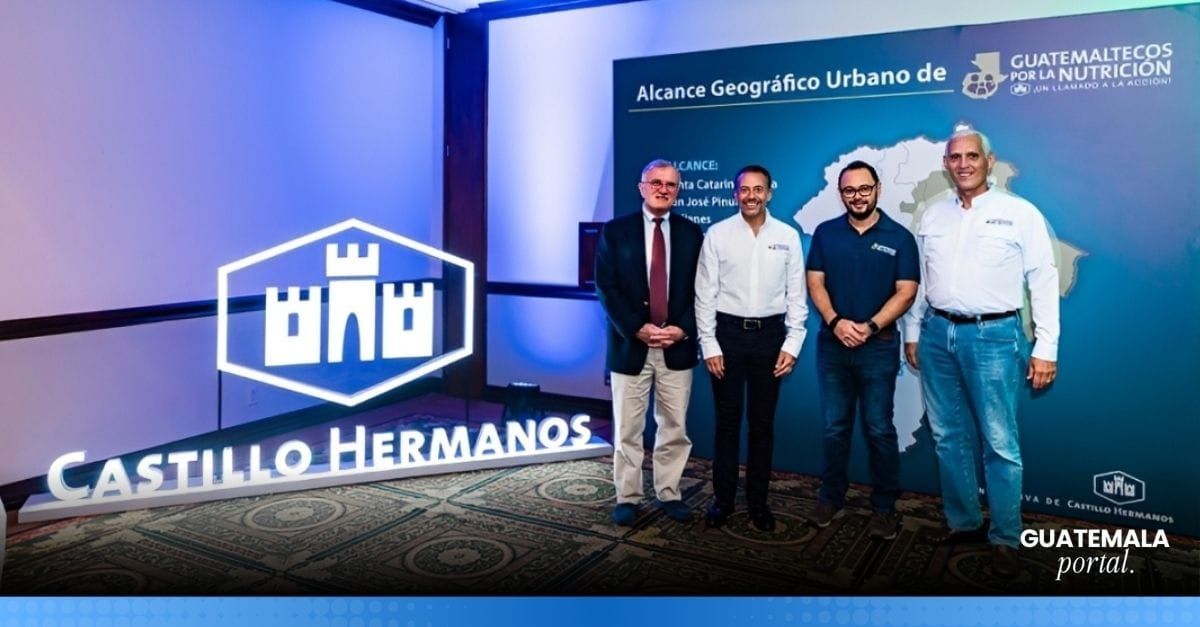
Guatemaltecos por la Nutrición, an initiative launched by Castillo Hermanos to address child malnutrition in Guatemala, has reported measurable improvements in the communities where it operates. According to the program's latest evaluation, cases of acute malnutrition fell dramatically while chronic malnutrition also declined, highlighting the impact of its integrated approach to nutrition, healthcare, and family support.
Guatemala continues to face one of the highest child malnutrition rates in the region, making long-term interventions a national priority. Created in 2022, Guatemaltecos por la Nutrición was designed to tackle the multiple factors associated with child malnutrition rather than focusing solely on treatment.
Program Reports Declines in Acute and Chronic Malnutrition
Representatives of the initiative presented the latest findings alongside Dr. Sophia Aguirre, a researcher at the Catholic University of America in Washington and the program's external auditor.
According to the results, acute malnutrition decreased from 6% to 0.38% in the communities served over a two-year period. The evaluation also found a 17-percentage-point reduction in chronic malnutrition.
The assessment further revealed that more than 70% of participating mothers reported normal growth in their children, while recurrent illnesses among pregnant and breastfeeding women declined by up to 76%.
Dr. Aguirre also noted that household nutritional consumption increased by 17% in the participating communities. The findings were compared with international indicators published by UNICEF, the World Health Organization (WHO), and the World Bank.
A Multi-Dimensional Strategy to Address Child Malnutrition
Castillo Hermanos introduced the program more than four years ago with the objective of breaking the cycle of child malnutrition through a comprehensive and sustainable model.
In 2022, the company announced a US$15 million investment to develop an initiative capable of addressing the root causes of child malnutrition while creating a model that could eventually be replicated in other regions.
Rather than concentrating on a single intervention, the program operates through six strategic pillars:
- Primary healthcare
- Nutritional support
- Water and environmental sanitation
- Family economic strengthening
- Food access
- Early childhood development
Together, these components are designed to improve children's health while strengthening the conditions that influence long-term nutrition outcomes.
Mobile Nutrition Camps Expand Access to Remote Communities
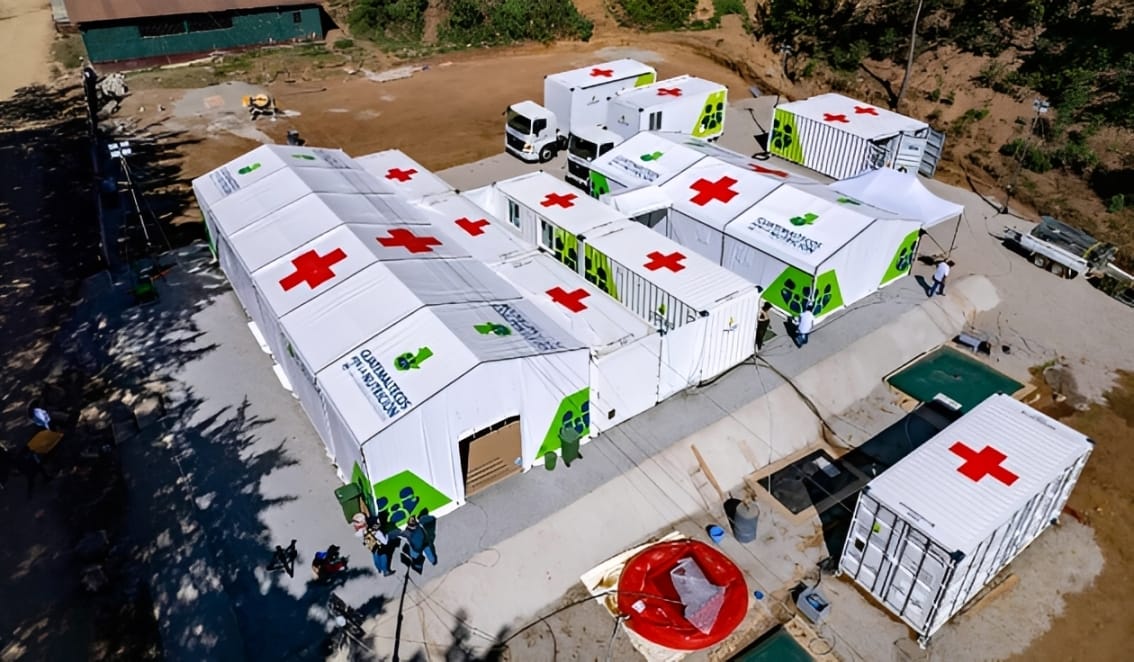
Since 2023, the initiative has operated through two Nutrimóvil Camps, mobile healthcare units that bring medical and nutritional services to communities with limited access to healthcare.
According to program data, these mobile units have already delivered more than 60,000 services.
Whenever a case of malnutrition is identified, the organization activates a structured response protocol that includes medical and nutritional assessments, treatment, recovery, and ongoing follow-up visits within the family's home.
Continuous Family Support at the Center of the Model
According to Dr. Aguirre, one of the program's distinguishing characteristics is its emphasis on long-term support rather than isolated interventions.
"The model does not focus only on treatment. It prioritizes continuous support for families throughout different stages of life because malnutrition is influenced not only by income, but also by factors such as hygiene education, caregiving practices, and support during pregnancy, postpartum, and early childhood," she explained.
This broader perspective aims to address the underlying social and health conditions that contribute to malnutrition beyond immediate nutritional deficiencies.
A Replicable and Measurable Model
Stuardo Sinibaldi, President of Castillo Hermanos, said the company developed the initiative around a framework that is holistic, replicable, sustainable, and auditable.
According to Sinibaldi, the long-term objective is to ensure the program extends beyond a local experience by creating a model that can be measured, evaluated, and replicated in other territories facing similar challenges.
Through its integrated strategy and measurable outcomes, Guatemaltecos por la Nutrición seeks to demonstrate how coordinated interventions across healthcare, nutrition, sanitation, and family development can contribute to reducing child malnutrition in Guatemala.


