Carretera VAS Celebrates 10 Years of Connecting Guatemala Through Innovation
VAS celebrates 10 years of operation in Guatemala with a new website, customer service BOT and app, strengthening connectivity and mobility through innovation.

VAS is celebrating a decade of operation connecting municipalities in southern Guatemala with the metropolitan area, marking the milestone with the official launch of a new website, a customer service BOT and a new mobile application.
The new digital platforms represent the latest evolution of a project that has expanded its road network over the past 10 years while incorporating technology aimed at improving the experience of its users.
From a Mobility Alternative to a 31-Kilometer Road Network
The origins of Carretera VAS date back more than two decades, when the economic and social growth of the Department of Guatemala, combined with the need for a road network capable of responding to an increasing number of vehicles, created the conditions for the project.
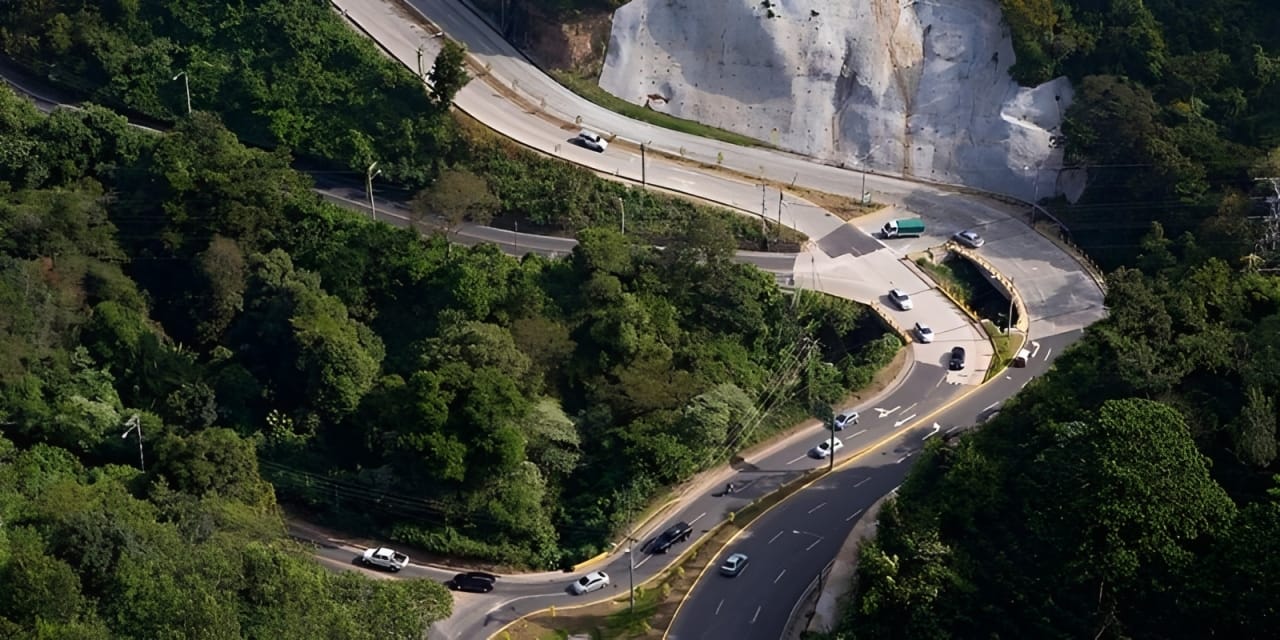
VAS was conceived as more than an isolated infrastructure project. It was developed as a private road alternative designed to connect municipalities across the Department of Guatemala and help relieve pressure on traditional routes.
“VAS was born as a pioneering and forward-looking road alternative that Guatemala needed. Over the past 10 years, we have never stopped asking ourselves the same question: how can we make the journey better for those who travel with us?” said engineer Armando Salas, General Director of Carretera VAS.
According to Salas, that question has guided the development of each section of the road, the efforts to reduce waiting times at toll booths and the introduction of the new app, BOT and website.
“Innovating for you is not a campaign phrase; it is the way we have worked since the very first kilometer,” he added.
A Decade of Expansion Built in Stages
Carretera VAS was not inaugurated as a single road project. Its development followed a gradual expansion plan, with each new section designed to improve connectivity between municipalities, increase their competitiveness, strengthen their ability to attract investment and contribute to the quality of life of residents in the surrounding areas.
The network was developed through three main stages:
- 2016 — VAS Carretera al Pacífico: Villa Canales – Delta Bárcenas, at kilometer 20.5 of CA-9 Sur.
- 2021 — VAS Ciudad de Guatemala: Calzada Atanasio Tzul, Zone 12 – San Miguel Petapa / Villa Canales, at kilometer 14.
- 2022 — VAS Carretera a El Salvador: Kilometer 24 of CA-1 Oriente – Villa Canales / Carretera al Pacífico.
Together, these three sections expanded the reach of the road network and consolidated VAS as a 31-kilometer corridor connecting areas with significant economic and social growth across the Department of Guatemala.
The Scale Behind the Infrastructure
Building a private road network of this scale on privately owned land required significant and sustained infrastructure investment over a decade of continuous work.
Today, the project includes:
- Total road network: 31 kilometers.
- Concrete used: More than 700,000 cubic meters.
- Earth moved: More than 8 million cubic meters.
- Continuous operation: 10 years.
These figures reflect the scale of the infrastructure developed throughout the project’s first decade.
VAS as a Driver of Employment and Regional Development
Beyond its physical infrastructure, VAS has also contributed to employment and economic activity in the municipalities connected by the road network.
During its first 10 years, the project generated more than 1,700 direct jobs and more than 5,250 indirect jobs.
The road has also facilitated commercial and logistics traffic between productive areas in the Department of Guatemala, supporting connectivity across the municipalities it serves.
VAS+ Brings Technology to the Toll Booth Experience

Innovation at VAS has extended beyond road construction. As the network expanded, the project developed its own device-based payment system, known as VAS+ (VASMÁS), designed to change the experience of frequent users at toll booths.
The system has reduced the average payment process from approximately 13 seconds when paying in cash to 5 seconds with a VAS+ device.
Although users must still make a brief stop when using VAS+, the stop is considerably shorter than when making a cash payment.
The VAS+ system also allows users to monitor their balance through the new application and website. Users can recharge their balance quickly and easily using either a card or cash.
Reducing the average process from 13 seconds to 5 seconds per vehicle can mean shorter toll booth lines, less time spent during journeys and a more consistent traffic flow at each toll plaza.
This technological development also serves as the foundation for the new mobile application, customer service BOT and website now officially introduced by Carretera VAS.
“These 10 years are not a completed project. They are the starting point for VAS’ next decade, the alternative that innovates your journey,” Salas said.
New Digital Platforms Mark the Next Stage for VAS
The launch of the new website, customer service BOT and mobile application represents the most recent stage in VAS’ development.
These tools build on the technological approach already incorporated through VAS+ and form part of the project’s continued focus on improving the experience of those who use the road network.
As VAS enters its second decade, the company continues to position innovation in both infrastructure and technology as a central part of its approach to mobility in the metropolitan area of Guatemala.