
Beyond Roads and Bridges: The Role of Cultural Infrastructure in Central America
Cultural infrastructure can strengthen regional integration in Central America by fostering shared identity, youth opportunities, and long-term development.

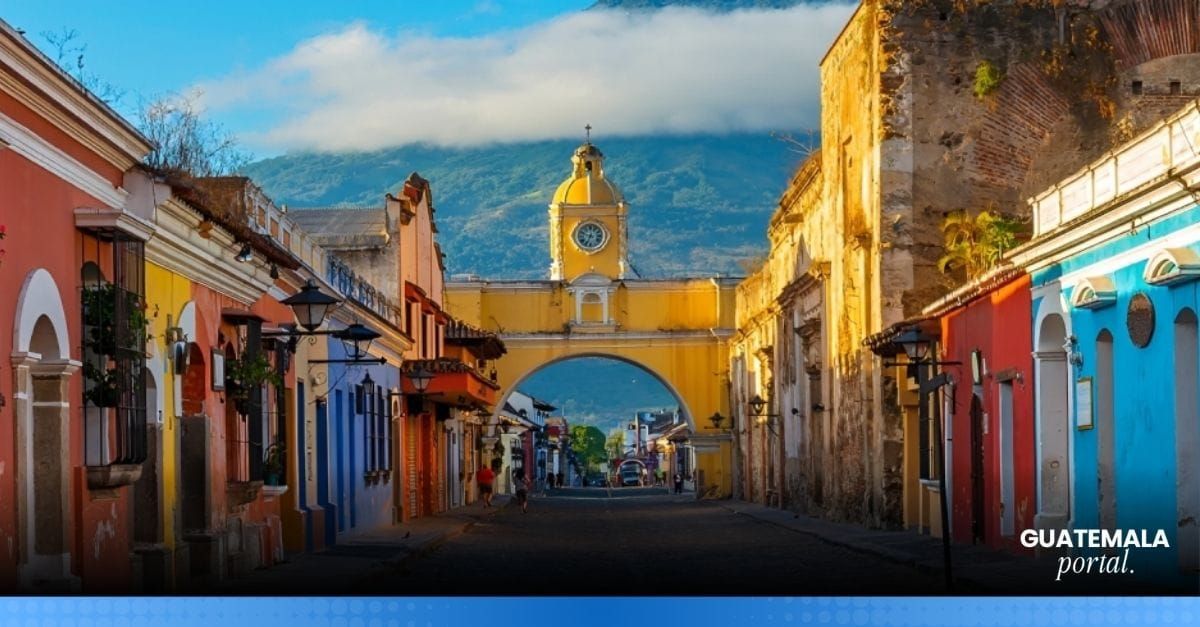
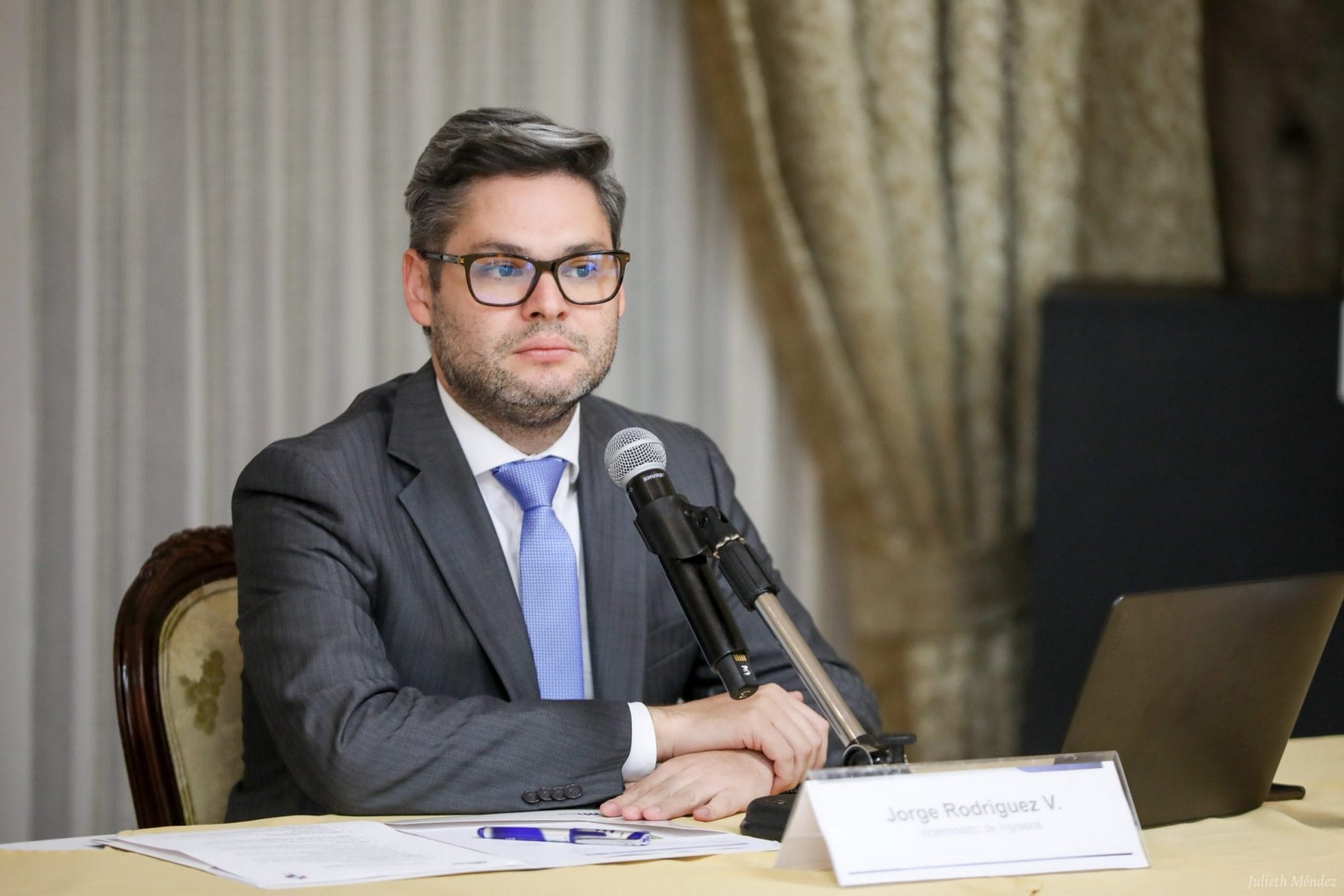
Cultural infrastructure is as important to regional integration as roads, bridges, and energy networks, according to an opinion piece by Jorge Rodríguez Vives, Costa Rica's Minister of Culture and Youth. While physical infrastructure has long supported economic development across Central America, the author argues that sustainable integration also depends on strengthening shared identity, cultural collaboration, and opportunities for younger generations.
Integration extends beyond physical infrastructure
Rodríguez Vives argues that regional integration should not be measured solely through transportation networks or public works. Instead, he suggests that cultural initiatives play a fundamental role in helping societies recognize their shared history and envision a common future.
For decades, the Central American Bank for Economic Integration (CABEI) has financed projects that connect the region through physical infrastructure. The author contends that cultural infrastructure should complement those investments by reinforcing the bonds that unite Central American societies.
According to the article, this "infrastructure of the soul" enables people to tell their shared stories, strengthen collective identity, and deepen regional cohesion.
A shared history continues to unite the region
The opinion piece recalls that more than six decades ago, Guatemala, El Salvador, Honduras, Nicaragua, and Costa Rica created CABEI to promote joint development.
Over time, Panama, the Dominican Republic, and Belize joined the institution, while additional member countries from outside the region later became partners, expanding CABEI into a community of fifteen nations committed to regional integration and shared development.
Rodríguez Vives argues that these countries are connected not only through financial cooperation but also by a common history, cultural traditions, and a long-standing commitment to collaboration.
Quoting Dominican poet Aída Cartagena Portalatín, he highlights this sense of openness and shared identity:
"I am an island, but I do not enclose."
Investing in youth through culture
The author identifies one of the region's greatest challenges as creating opportunities that encourage young people to build their futures within Central America.
He argues that the arts already provide spaces where younger generations generate value, although many initiatives continue to lack sufficient institutional support.
To address this, Rodríguez Vives proposes two regional cultural initiatives:
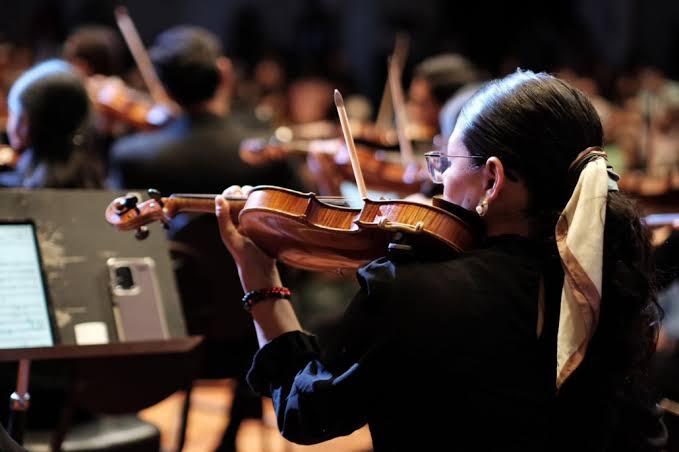
- A Central American Youth Orchestra.
- A Central American Visual Journey, designed to promote artistic collaboration across the region.
Rather than viewing them as isolated cultural projects, he presents both initiatives as strategic investments that complement traditional infrastructure by strengthening regional identity and social cohesion.
Cultural investment delivers long-term returns
Rodríguez Vives emphasizes that cultural initiatives also generate measurable returns, although their impact extends beyond financial indicators.
According to the author, investments in culture produce stronger social cohesion, a greater sense of belonging, and long-term regional resilience.
"Their return is not only economic, but also one of belonging and cohesion. Perhaps it is the least volatile investment of all, because its dividends are not collected in a quarter—they are collected across generations."
Development depends on shared identity
The opinion concludes that Central America's future should not be evaluated exclusively through economic or infrastructure indicators.
Instead, Rodríguez Vives argues that lasting development also depends on the ability of the region's societies to recognize one another, strengthen their shared identity, and imagine a common future.
In his view, building cultural infrastructure requires collective effort, just as physical infrastructure does, making it an essential component of long-term regional integration.


