
Agencias J.I. Cohen’s Success in Reducing Ground Fleet Emissions
Learn about Agencias J.I. Cohen's success in reducing ground fleet emissions, achieving more efficient and sustainable logistics.

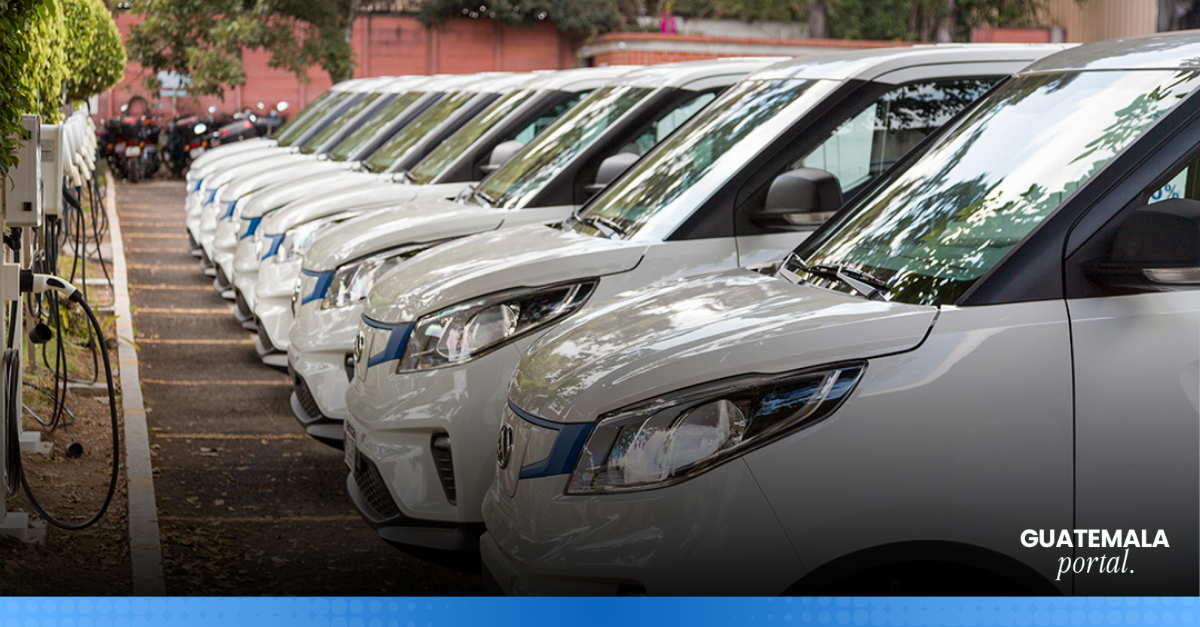
Agencias J.I. Cohen, founded by Jack Irving Cohen and currently led by Alberto Cohen Mory, has solidified its leadership in Guatemalan pharmaceutical logistics through data-driven management. By focusing on the measurement of mobile sources, the company directly addresses its greatest operational challenge in the transportation of healthcare products.
Agencias J.I. Cohen’s success in reducing ground fleet emissions is based on the quantification of 431.14 metric tons of CO2e generated by fossil fuel consumption. This assessment ensures that logistical efficiency is a verifiable environmental commitment. From its operational hub in Mixco, a key industrial area in Guatemala, the organization demonstrates that rigorous transport control drives a carbon-positive supply chain nationwide.
The Impact of Fuel on Distribution Logistics
Ground fleet operations intrinsically depend on the use of diesel and gasoline, resources that constitute the primary source of direct emissions. For decision-makers, understanding this balance is vital, as the consumption of these fuels impacts both profitability and the company's environmental profile.
Data was analyzed using the ISO 14064:2018 methodology to ensure that every gallon consumed is monitored. Furthermore, this visibility helps identify which routes and units have the highest carbon intensity. Consequently, the transition toward cleaner operations represents a technical adjustment based on energy performance for every delivery made throughout the country.
Maintenance Strategies and Route Management
The reduction of atmospheric impact is achieved through a combination of technology and strict operational protocols. At Agencias J.I. Cohen, the fleet operates under an optimization strategy that minimizes idling and unnecessary travel. However, preventive maintenance is the key factor ensuring that engines operate under optimal combustion conditions.
To maximize these results, the organization implements the following actions:
- Intelligent route planning: Reducing distances by using logistics software to optimize deliveries at the country's main distribution points.
- Maintenance programs: Ensuring that gasoline and diesel units meet rigorous emission standards.
- Technical training: Guiding drivers to encourage efficient driving habits that reduce fuel consumption.
In this regard, constant maintenance ensures that investment in mobile assets remains consistent with decarbonization goals.
Precise Measurement for an Efficient Supply Chain
The ability to identify savings opportunities depends on the quality of the information collected. The supply chain is constantly monitored to detect deviations in the fleet's energy consumption. Moreover, precise measurement strengthens transparency with the public. Therefore, by knowing that mobile sources represent 431.14 metric tons of CO2e, management can set realistic and scalable reduction goals.
This proactive approach makes Agencias J.I. Cohen a benchmark for innovation in Guatemala, proving that pharmaceutical logistics can be agile, safe, and environmentally responsible.


