
Tourism Authorities Launch Central America Big Day 2026 Regional Birdwatching Event
Central America Big Day 2026 launches as a regional birdwatching event aimed at promoting conservation, citizen science, and sustainable tourism across Central America.

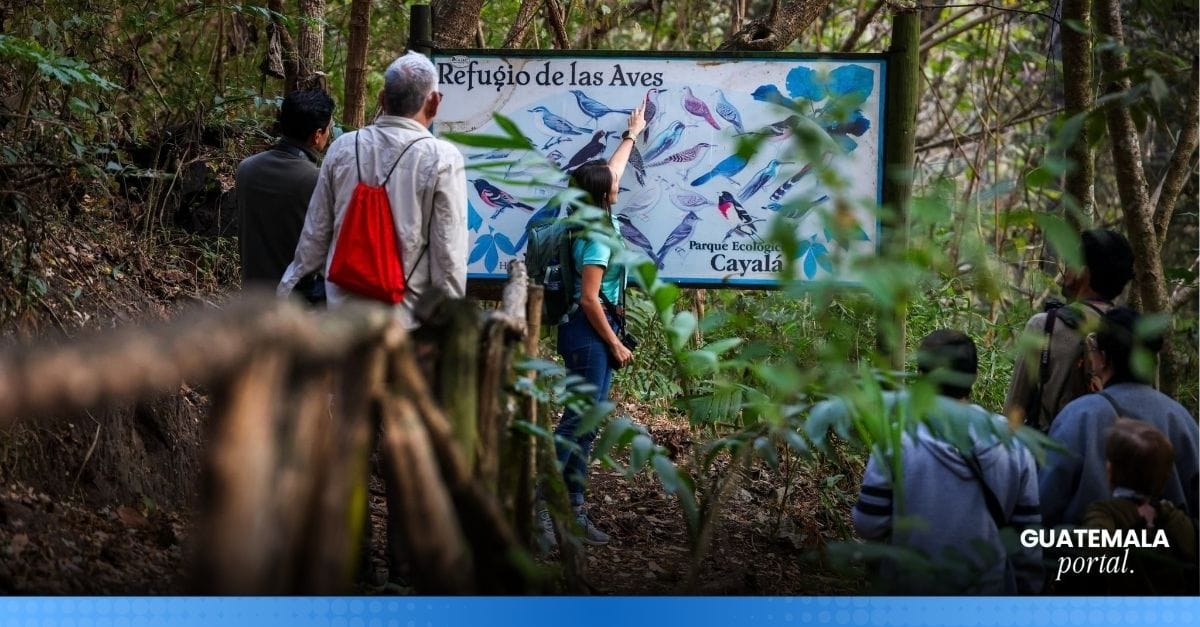
Central America Big Day 2026 was officially launched through a regional event bringing together tourism authorities, conservation specialists, and birdwatching organizations from across the region. The initiative will take place simultaneously on March 14, 2026, encouraging citizen participation in bird observation and recording activities throughout participating countries.
The launch event was held in a hybrid format with Guatemala serving as the host country, gathering representatives from public institutions and environmental organizations dedicated to conservation and nature tourism.
Promoting conservation through citizen science
The primary goal of Central America Big Day is to promote the protection of bird species and their ecosystems through a sustainability-focused approach. By encouraging bird observation and citizen-led data recording, the initiative seeks to generate valuable information about biodiversity while strengthening local capacities and raising awareness of the region’s natural heritage.
Regional leaders participating in the conference emphasized that the initiative represents an opportunity to connect environmental protection with tourism development.
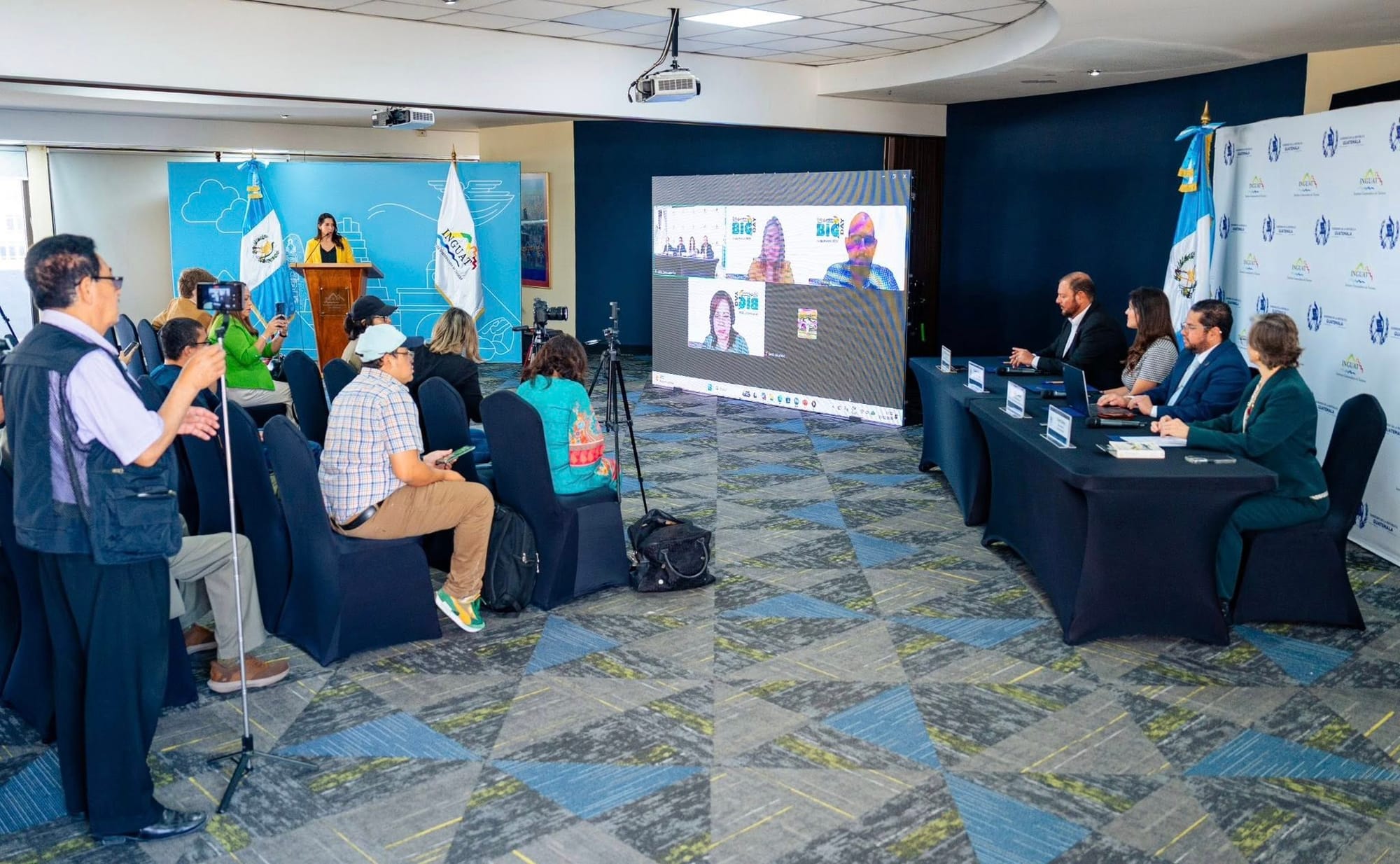
Among the speakers were:
- Bianka Espósito, Acting Director General of the Guatemalan Tourism Institute (INGUAT)
- Rolando Schweikert, President of the Guatemalan Chamber of Tourism (CAMTUR)
- Andrés Ehrler, Minister of Tourism of Honduras
- and Boris Iraheta, Secretary General of the Central American Tourism Promotion Agency (CATA).
During the event, they highlighted the importance of regional collaboration to integrate conservation efforts, environmental education, and the promotion of responsible tourism across Central America.
A key region for migratory and resident bird species
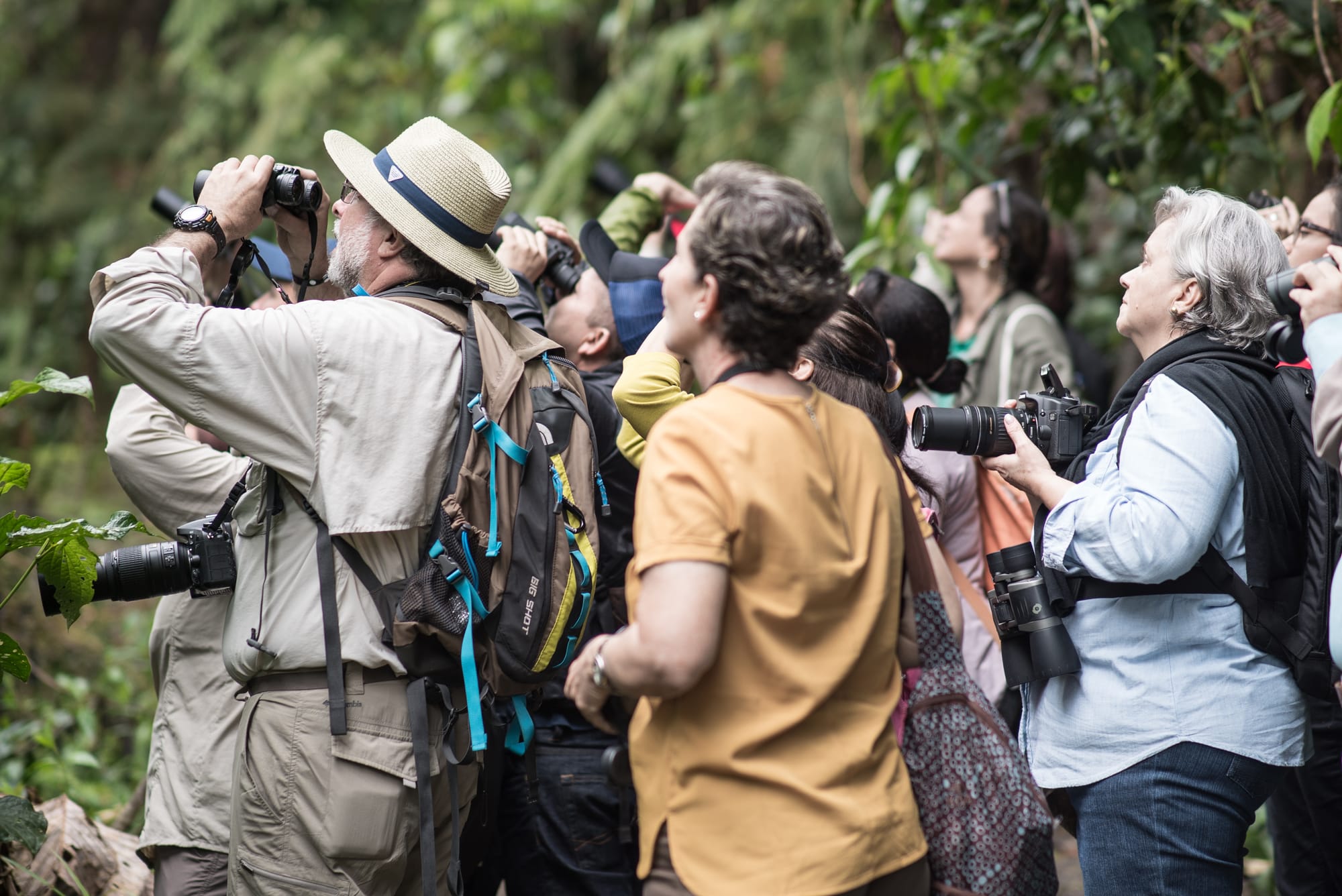
Speakers also stressed that the Central American isthmus plays a strategic ecological role as a biological corridor connecting North and South America. This geographic position makes the region particularly important for both migratory and resident bird species.
Within this context, birdwatching tourism is increasingly viewed as a way to link environmental protection with local economic opportunities, supporting communities while preserving biodiversity.
Regional collaboration across countries and sectors
The event also showcased the coordination efforts behind the initiative. Claire Dallies, representing Guatemala’s Nature Roundtable, explained the intersectoral collaboration developed to organize this edition of the event.
Meanwhile, Mercedes Silva, representing MITUR/CORSATUR of El Salvador, reaffirmed her country’s institutional commitment to the initiative.
Representatives from Belize, Nicaragua, Panama, and the Dominican Republic also participated in the launch, underscoring the regional nature of the project and the shared interest in promoting conservation-based tourism.
Technology and training to support participation
During the conference, Oliver Komar, Ph.D., from the Zamorano Center for Biodiversity, presented the regional dynamics for using specialized birdwatching platforms. He outlined the methodology for recording bird observations and described adjustments introduced for the second edition of the event to expand participation and reduce technical barriers.
As part of the preparation for the March 14 event, organizers also announced a series of virtual training seminars for participants across the region. These sessions will focus on strengthening technical knowledge, standardizing recording processes, and helping new observers join the initiative.
Strengthening knowledge and sustainable tourism
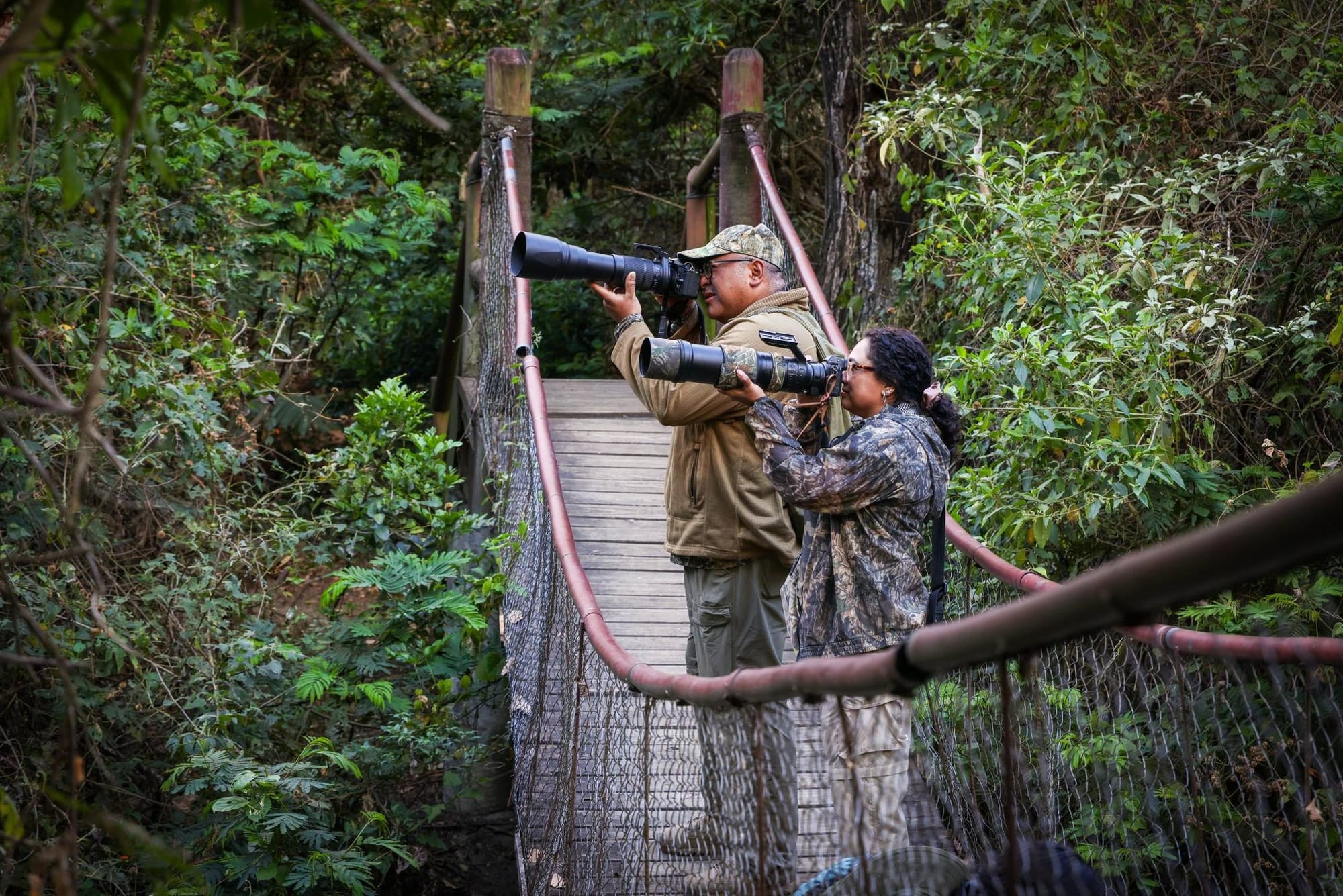
Through citizen participation and coordinated regional efforts, Central America Big Day 2026 aims to generate valuable scientific data while highlighting the region as a destination committed to sustainability and biodiversity conservation.
By combining environmental awareness, community involvement, and tourism promotion, the initiative seeks to reinforce the importance of protecting Central America’s rich birdlife and ecosystems.