
Mastercard Study Highlights How Remittances Shape Household Stability in Guatemala
A Mastercard and CrossTech study reveals how remittances support 1.7 million households in Guatemala, drive consumption, and create new financial inclusion opportunities.
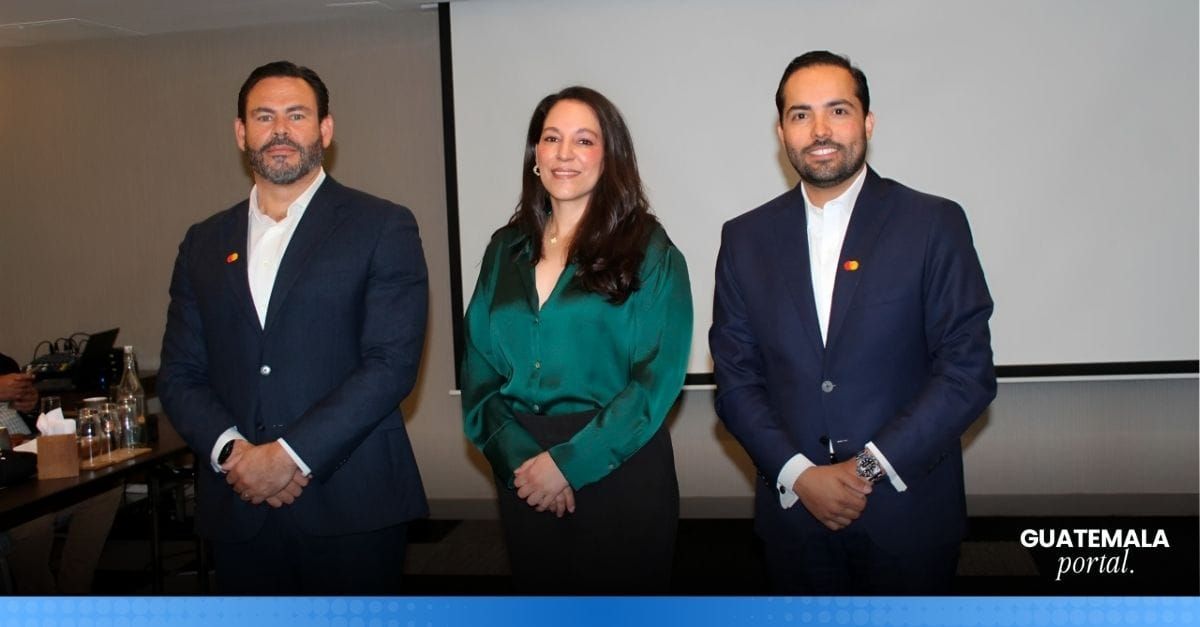
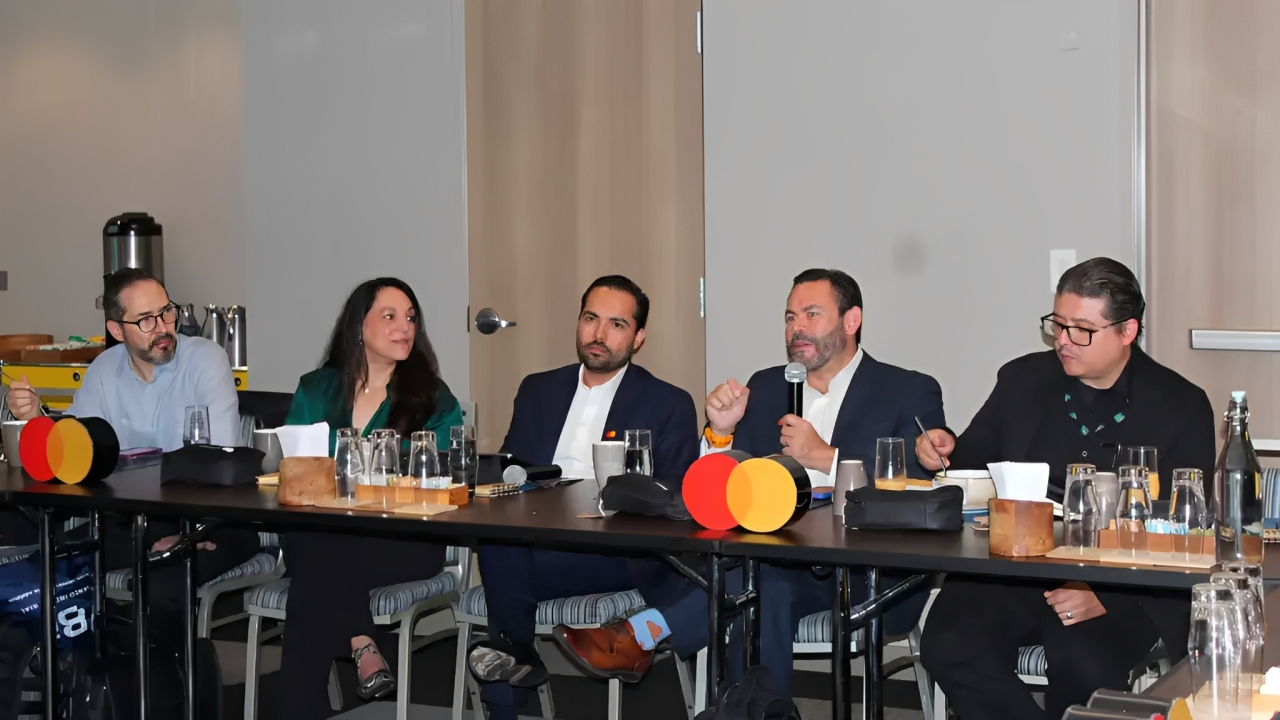
Mastercard and CrossTech have presented new findings on the importance of remittances in Guatemala, showing that these transfers have become far more than financial support from abroad. According to the study, remittances now play a central role in household stability, daily spending, and future financial inclusion opportunities across the country.
Remittances Represent More Than 20% of Guatemala’s GDP
The report, titled Remittances 2030: Trust, Inclusion and Remittances, shows the scale of their impact in Guatemala. Remittances currently exceed 20% of the country’s Gross Domestic Product (GDP) and reach approximately 1.7 million households, representing close to 40% of the population.
These figures position remittances as one of the most important sources of economic stability for Guatemalan families.
Essential Household Spending Drives Remittance Use
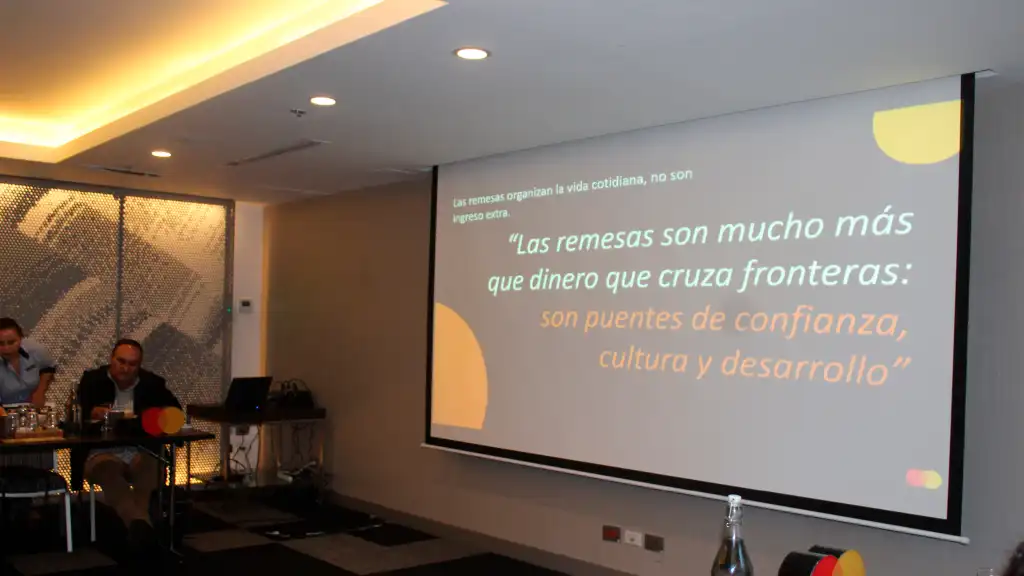
According to the study, most remittance funds are directed toward core household needs such as food, healthcare, education, and utility payments.
Rather than being considered extra income, these resources are viewed as essential funds that help families maintain daily operations and meet immediate responsibilities.
Digital Transfers Rise, but Cash Remains Dominant
The study also highlights a key trend in how remittances are used. While transfers are increasingly sent through digital channels, between 70% and 80% of recipients in Central America withdraw the funds almost immediately, even when they are deposited into bank accounts or digital wallets.
This suggests that digital access alone does not guarantee digital usage. Trust, financial habits, and merchant acceptance of digital payments continue to shape consumer behavior.
Cash remains widely perceived as the most reliable way to manage household money and maintain direct control over spending.
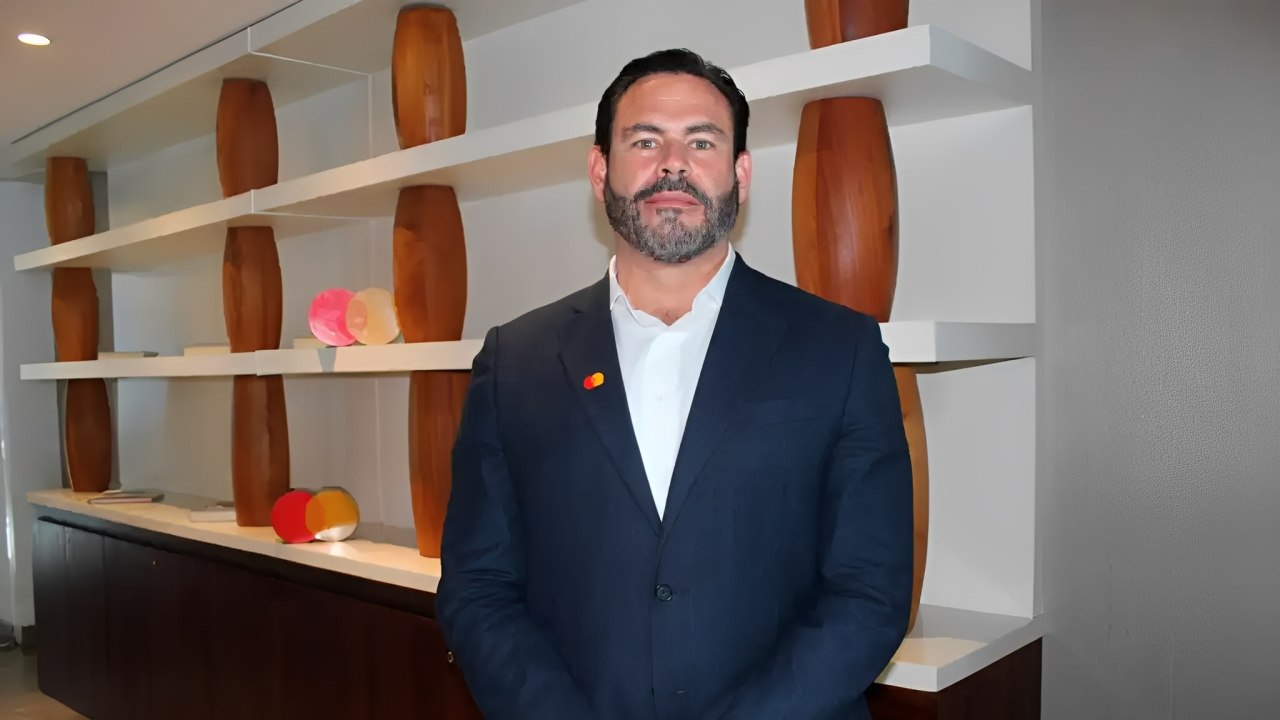
“Remittances not only connect economies, they sustain the daily lives of millions of families. The challenge is ensuring that this flow also creates greater opportunities within the financial system,” said Rodolfo Zavaleta, Regional Account Director at Mastercard.
From Financial Access to Effective Usage
The study proposes a broader perspective on financial inclusion. Instead of focusing only on access to financial services, the next challenge is understanding how funds are used once they reach households.
In this context, the report introduces the concept of digital retention, which refers to how long remittance funds remain within the financial system before being converted into cash.
This metric can help measure how integrated these resources are within the formal economy.
Remittances Managed Around Household Care
Researchers found that remittance management often follows a different logic than traditional financial planning. The priority is not wealth accumulation, but covering urgent needs and protecting family well-being.
This helps explain why funds are frequently withdrawn quickly, even when digital tools are available. Families tend to prioritize certainty and immediate access to money.

Opportunities for Financial Inclusion in Guatemala
Although 89% of recipients primarily use remittances for consumption and maintenance, the report identifies opportunities to expand their long-term value.
When funds remain longer within the financial system, they may help users access products such as savings accounts, credit solutions, and other formal financial services.
This could gradually shift remittances from short-term support mechanisms into tools for broader economic development.
Mastercard and CrossTech Focus on Integration
Mastercard and CrossTech agree that the future of remittances depends on stronger integration with the digital economy.
That includes improving interoperability, expanding digital payment acceptance, and designing solutions that match real user needs.
They also emphasized the importance of financial education and building confidence in digital financial tools to support a more sustainable transition toward inclusion.
A Central Economic Force in Guatemala
Remittances continue to be a defining part of Guatemala’s economic landscape. Beyond the transfer itself, their evolution represents an opportunity to strengthen household resilience and create new pathways for long-term growth.


