Mastercard 2026 Outlook: Digital Payments and AI to Drive Central America’s Growth
Mastercard outlines the key economic and payment trends that will shape Central America in 2026, from AI and digital identity to stablecoins and remittances.
Mastercard projects that 2026 will be a defining year for Central America, as moderating global economic conditions align with accelerating digital transformation. According to the Mastercard Economics Institute, global GDP is expected to grow 3.1% in 2026, while inflation is projected to ease to 3.4%, creating a more stable environment for trade-driven economies across the region.
Within this context, technology and evolving payment systems are set to reshape competitiveness, financial inclusion, and digital trust.
“Looking ahead to 2026, technology and new payment models will continue to act as direct enablers of economic development in Central America. Digitalization is not only transforming how payments are made, but also how individuals and businesses participate in the formal economy in a safer and more efficient way,” said Kristine Matheson, Cluster Lead for Central America at Mastercard.
The Key Trends Redefining 2026

Several structural forces are expected to influence the region’s economic trajectory.
Resilient growth supported by digital flows
As inflation moderates and digital adoption expands, economic resilience strengthens. In Central America, remittances, which represent a significant share of GDP in countries such as Guatemala, Honduras, and El Salvador, will increasingly benefit from faster, safer, and more accessible digital transfer solutions, amplifying their social and economic impact.
Artificial intelligence and digitalization as competitive advantages
AI adoption across banking, retail, and logistics will help companies optimize costs and improve decision-making. Small and medium-sized enterprises (SMEs) are particularly well positioned to leverage digital tools to scale operations and compete in more connected markets, reflecting trends seen in advanced economies where a growing share of new businesses operate exclusively online.
Automated commerce powered by AI agents
The use of AI-driven digital agents capable of executing transactions on behalf of consumers and businesses is expected to accelerate. This evolution demands robust authentication frameworks and stronger fraud prevention mechanisms to safeguard increasingly frictionless payment environments.
Stablecoins and cryptocurrencies gaining clarity
Progress toward clearer regulatory standards is facilitating the integration of stablecoins into the payments ecosystem. These instruments offer new opportunities to enhance payment efficiency and remittance flows, particularly in markets where financial inclusion remains a structural challenge.
Digital identity as a pillar of trust
With nearly 80% of consumers globally exposed to fraud attempts, digital identity solutions are becoming essential to secure access to financial and digital services. Advanced authentication will be critical to reinforcing trust among consumers, merchants, and governments.
Sustainable consumption and the circular economy
Younger generations, especially Gen Z, are accelerating sustainable consumption patterns, favoring reuse, resale, and digital experiences aligned with environmental and social values. This shift is redefining the relationship between consumers, brands, and digital platforms.
Faster, more personalized, and secure payments
Consumers increasingly demand seamless and tailored payment experiences. Innovations such as dynamic credentials, biometric authentication, and near-instant settlement capabilities will drive efficiency, free up working capital for businesses, and enhance both domestic and cross-border transactions.
A Transformation Underway
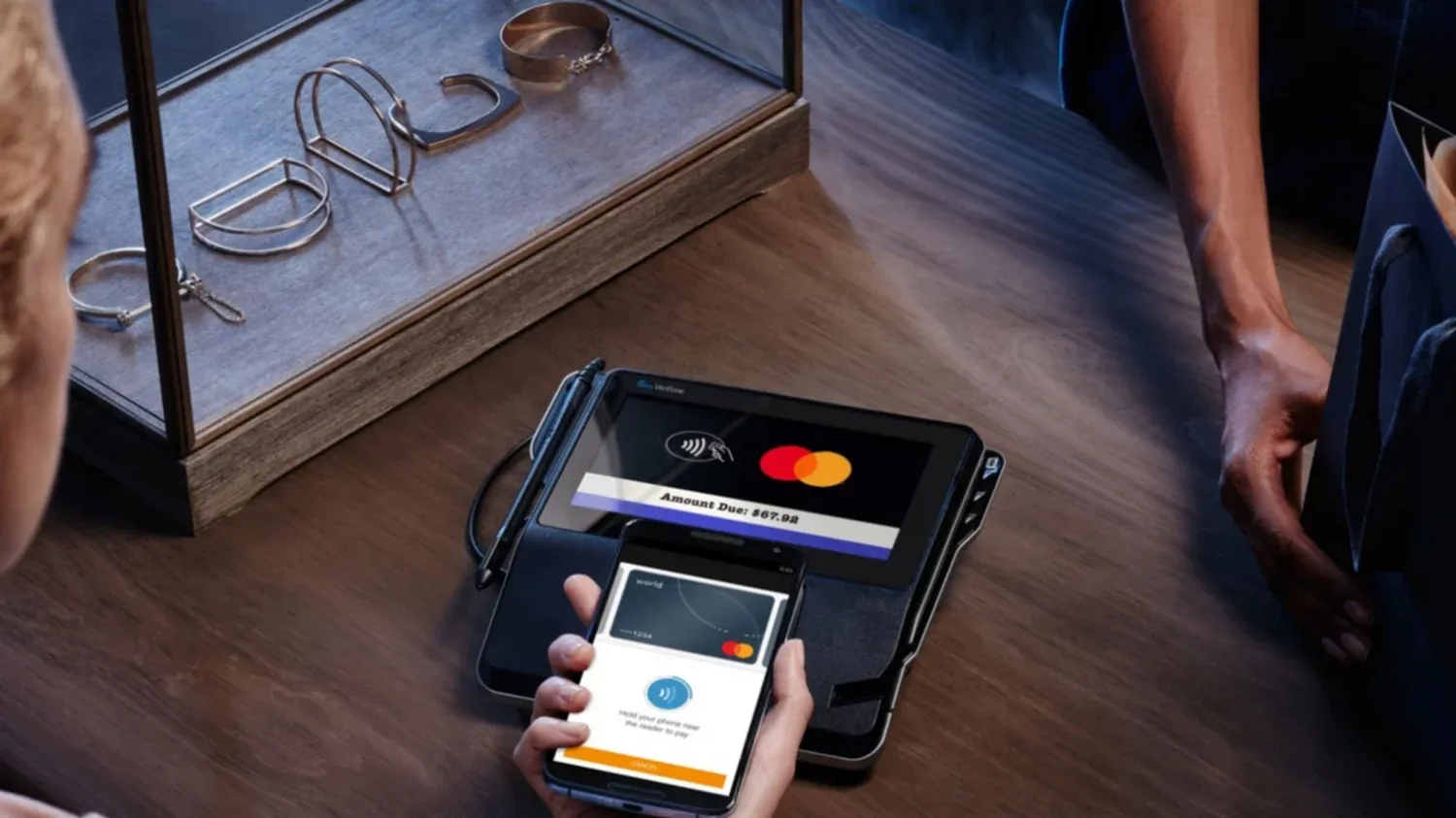
The economic and payment trends shaping 2026 reflect a deeper transformation in how individuals and businesses interact with money. For Central America, this shift represents a tangible opportunity to advance financial inclusion, strengthen competitiveness, and build greater trust in the digital economy.
As the region deepens its integration into the global digital ecosystem, the combination of innovation, collaboration, and trust frameworks will be essential to translating these trends into sustainable growth and long-term development.
Operating in more than 200 countries and territories, Mastercard works with partners worldwide to power economies and empower people. Through a broad range of digital payment solutions, the company aims to make transactions secure, simple, smart, and accessible, leveraging technology, innovation, partnerships, and its global network to help individuals, businesses, and governments reach their full potential.