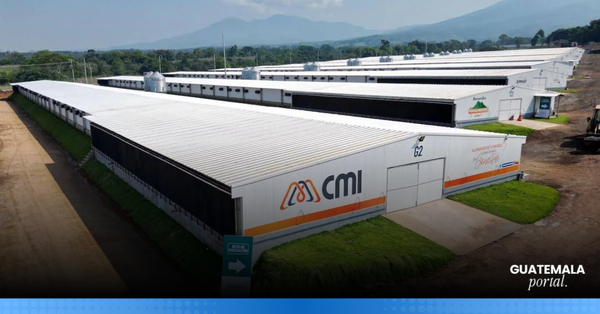
Foreign Trade Becomes a Strategic Priority for Guatemalan Businesses


For years, companies organized foreign trade around lean inventories, timely deliveries, and favorable market conditions to control costs. The just-in-time model helped businesses manage resources and respond to demand. However, global trade has changed, exposing the limits of tightly coordinated supply chains.
Geopolitical tensions, conflicts, climate events and trade policy changes can disrupt supply chains. These interruptions can affect input availability, costs and a company's ability to meet customer commitments. Foreign trade is therefore no longer only a logistics or customs function; it is also a strategic consideration for competitiveness and business continuity.
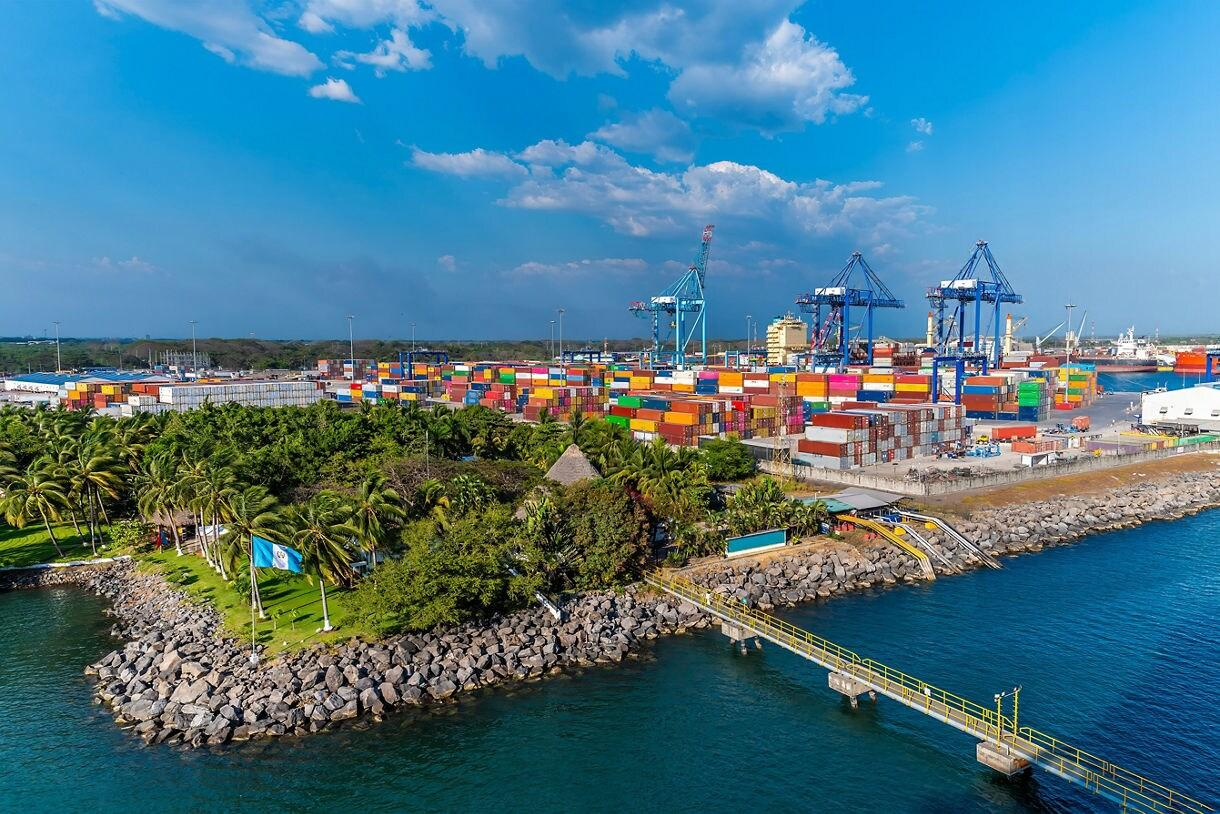
Guatemala's Export Growth and Emerging Challenges
During the first half of 2026, Guatemala's exports reached US $8,613.3 million, a 4.9% increase compared with the same period in 2025, according to AGEXPORT. This performance reflects the export sector's activity, while raising a question: how prepared are businesses to maintain their position in changing markets?
The challenge is not simply to sell more. Companies must understand risks affecting input supplies, costs, contracts and their ability to fulfill commercial commitments. Assessing how these factors interact is essential to making informed decisions.
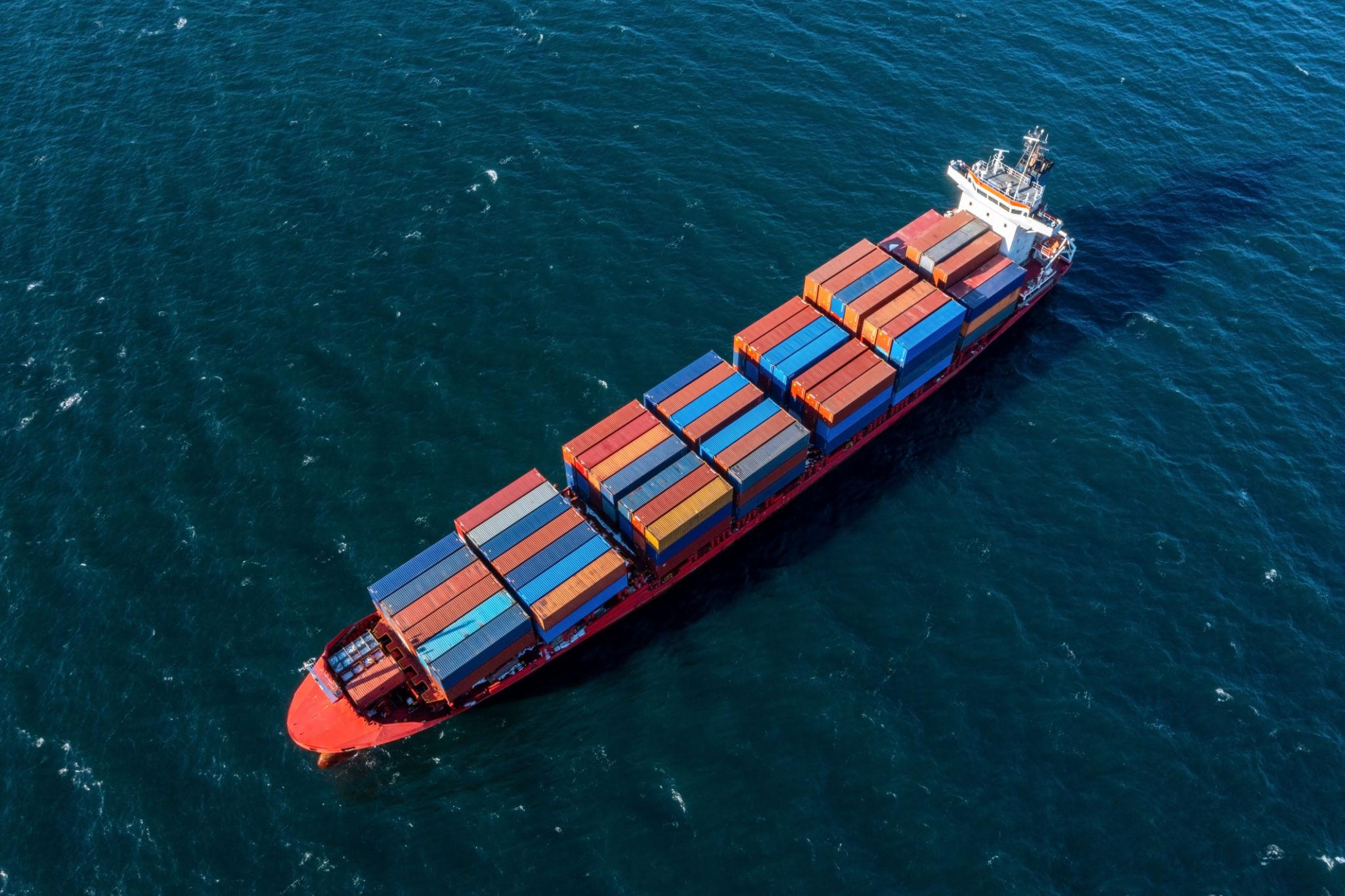
Understanding the Real Impact of Tariffs
When tariffs change, businesses often focus on higher costs. However, assuming every tariff automatically reduces profitability can lead to poor decisions. The impact depends on the product and market, consumers' sensitivity to price changes, the company's competitive position, and how suppliers and customers share additional expenses.
A competitor may be more affected by a trade measure, creating an opportunity for a Guatemalan product to gain market share. Before changing prices, replacing suppliers or leaving a market, companies should assess how a measure could affect the wider supply chain. The key questions are who absorbs the tariff, how it may influence demand and what options can preserve competitiveness.
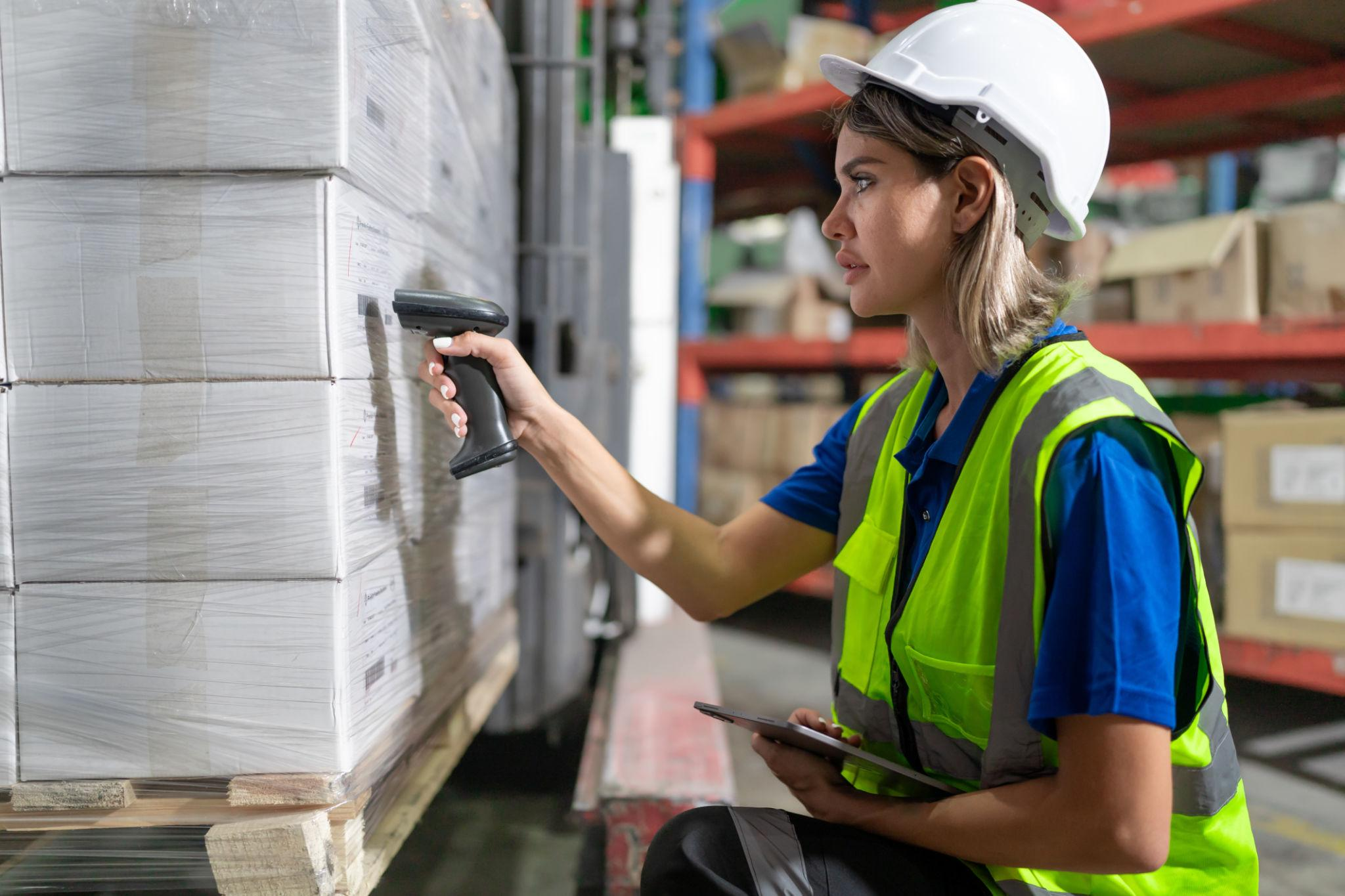
Beyond Taxes: Costs, Contracts and Traceability
Taxes are only one part of an international transaction's cost. Freight, transport availability, insurance, delivery times and inventory management also affect results. Contracts must clearly establish who assumes risks and responsibilities at each stage of the supply chain.
Traceability gives companies visibility into operations, helping them verify rules of origin and understand requirements in each country. This information supports decisions and helps anticipate contingencies. Waiting until a disruption occurs to find another supplier or market can leave a company with fewer options. Preparation begins by identifying vulnerabilities before they become operational problems.
Technology and Diversification as Risk Management Tools
Technology can help companies map trading partners and assess risks linked to business relationships. This matters in a geopolitical environment shaped by competition for water, critical materials and liquidity. Yet technology cannot replace business judgment. Its value depends on people who can interpret information, assess scenarios and turn findings into decisions.
Companies should strengthen contract management, use certifications available to trusted operators and review trade and customs instruments that may apply to their operations. Diversifying suppliers and destination markets can reduce exposure to policy changes in a particular country. Each alternative, however, should be assessed for cost, regulatory requirements, operational capacity and commercial viability.
Three Steps to Strengthen Business Resilience
Guatemalan companies can begin with three actions. First, assess their value chains, identify weaknesses and threats, build a risk map and develop a strategic plan. Second, strengthen workforce capabilities so employees can interpret information and make well-founded decisions. Third, implement technology that improves market intelligence and customs traceability.
These efforts require coordination among commercial, financial, operational, and compliance teams. Foreign trade should not remain isolated in one department when its risks can affect the entire organization. Companies cannot control other countries' tariff decisions, geopolitical tensions or external disruptions. They can identify vulnerabilities, prepare alternatives, and respond with timely information. Strategic trade management can help protect current operations and create stronger conditions for competing and growing internationally.
Source: EY