Biopharmaceutical Medicines: Why Their Distribution Requires a More Specialized Operation
Learn why biopharmaceutical medicines need a specialized distribution with cold-chain control, traceability, quality oversight, and pharmacovigilance.

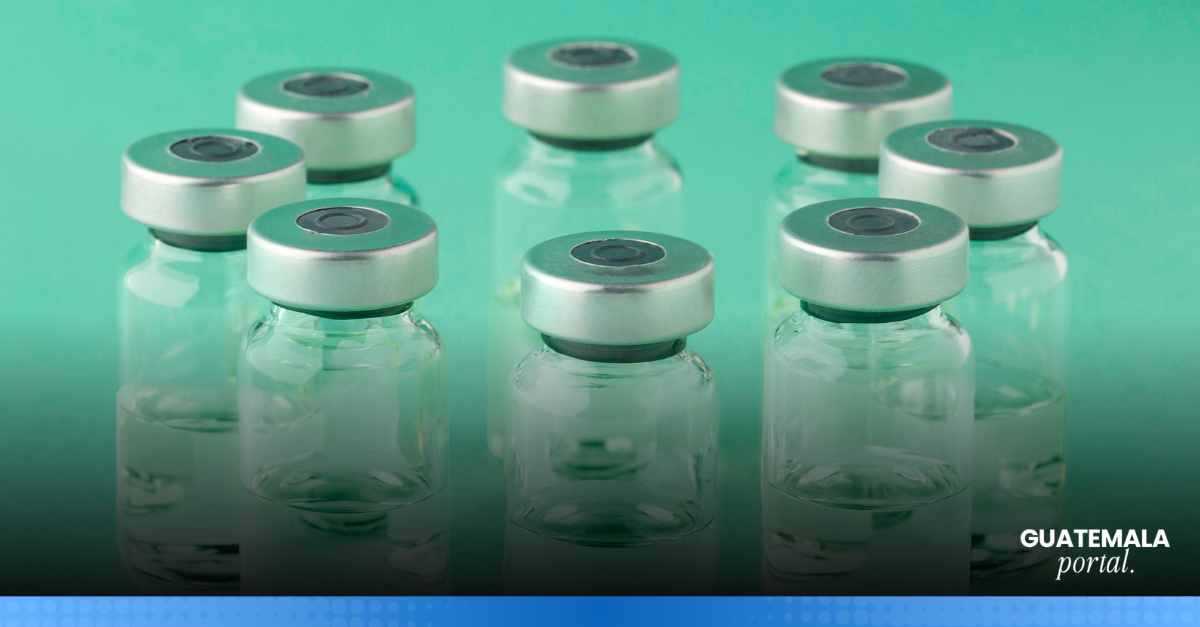
Biopharmaceutical medicines have expanded treatment options for complex diseases. Vaccines, monoclonal antibodies, recombinant proteins, and certain cell therapies belong to a category produced from biological systems and, by their nature, require different care from many chemically synthesized medicines.
That scientific difference also changes how they are distributed. Some of these medicines can lose stability if they remain outside the specified temperature range for too long, are exposed to direct light, or are handled incorrectly. In simple terms, the product may look unchanged yet no longer fully retain its properties. Therefore, delivering it to a pharmacy, hospital, or clinic requires maintaining the conditions established for that therapy and documenting what happened throughout the journey.
In this context, logistics specialization is how innovation moves from the laboratory to the patient through controls that protect quality, sustain availability, and support a coordinated response to any deviation.
What Makes a Biopharmaceutical Medicine Different
The U.S. Food and Drug Administration explains that biological products may consist of sugars, proteins, nucleic acids, cells, or tissues. They are typically more complex structures than the small molecules found in many conventional drugs and are often more sensitive to heat and microbial contamination.
Each biopharmaceutical, however, has its own storage, shelf-life, and handling requirements. Some require refrigeration; others permit different conditions. The distributor must therefore follow the approved instructions for each product and translate them into specific steps for receiving, storing, picking, packing, and transporting it.
The clinical and operational value of these therapies also matters. Some products are intended for small patient populations, specialized treatments, or scheduled dosing regimens. As a result, an inventory error or delay can affect both continuity of treatment and the planning of the institution caring for the patient.
Specialized Distribution Protects a High-Value Therapy
The operation begins at receiving. Staff verify package integrity, lot identification, expiration date, and, when applicable, the shipment’s temperature record. The product then moves to a storage area compatible with the manufacturer’s specified conditions.
For refrigerated medicines, the infrastructure requires continuous monitoring and contingency plans. Equipment, sensors, and backup systems must also be maintained and inspected. The cold chain works as a sequence: every leg must preserve the authorized conditions and leave enough evidence to reconstruct the journey.
Order preparation adds another layer of precision. The team must select the correct product, verify lots and expiration dates, use the required packaging, and coordinate a route compatible with the transit time. If the record shows that the product was outside the permitted temperature range, it must be segregated from available inventory and reviewed before use or distribution. The package may appear intact, but that alone does not confirm that the medicine has retained its required conditions. The quality team must decide what to do based on the shipment data and the manufacturer’s instructions.
Quality and Pharmacovigilance Continue Throughout the Journey
Distribution of a biopharmaceutical does not end at delivery. Quality complaints, questions about storage, and reports of possible adverse events need defined channels to reach the people responsible for reviewing them. Pharmacovigilance makes it possible to collect and communicate information about a medicine’s safety once it is used in real-world conditions.
Each unit must therefore be traceable through information such as its lot number, expiration date, and the customer who received it. If a health authority or laboratory issues an alert, these records make it possible to locate the affected units, stop additional shipments, and communicate precise instructions to customers.
In Guatemala, the Department for the Regulation and Control of Pharmaceutical and Related Products maintains services, forms, and alerts related to health surveillance and pharmacovigilance. A specialized distributor must align its internal processes with this framework and with the responsibilities agreed upon with each laboratory.
Agencias J.I. Cohen Integrates the Capabilities This Distribution Requires
Agencias J.I. Cohen brings together pharmaceutical warehousing, temperature control, nationwide distribution, quality assurance, regulatory affairs, and a pharmacovigilance unit. This integration is especially valuable when a product requires several departments to share information and work under a single plan.
Its cold room has backup systems to sustain operations, while its distribution vehicles include temperature monitoring and GPS tracking. A team of chemistry and pharmacy professionals also supports health requirements and verifies good storage and distribution practices.
The company therefore illustrates what distinguishes an operation prepared for biopharmaceutical medicines: appropriate infrastructure, documented procedures, specialized personnel, and the ability to maintain communication from receipt through post-delivery follow-up. Science creates new treatment options; rigorous distribution helps that innovation retain its quality until it reaches the person who needs it.