
Avianca Expands Guatemala Service as New Flights Link Toronto, Guadalajara, and Boston


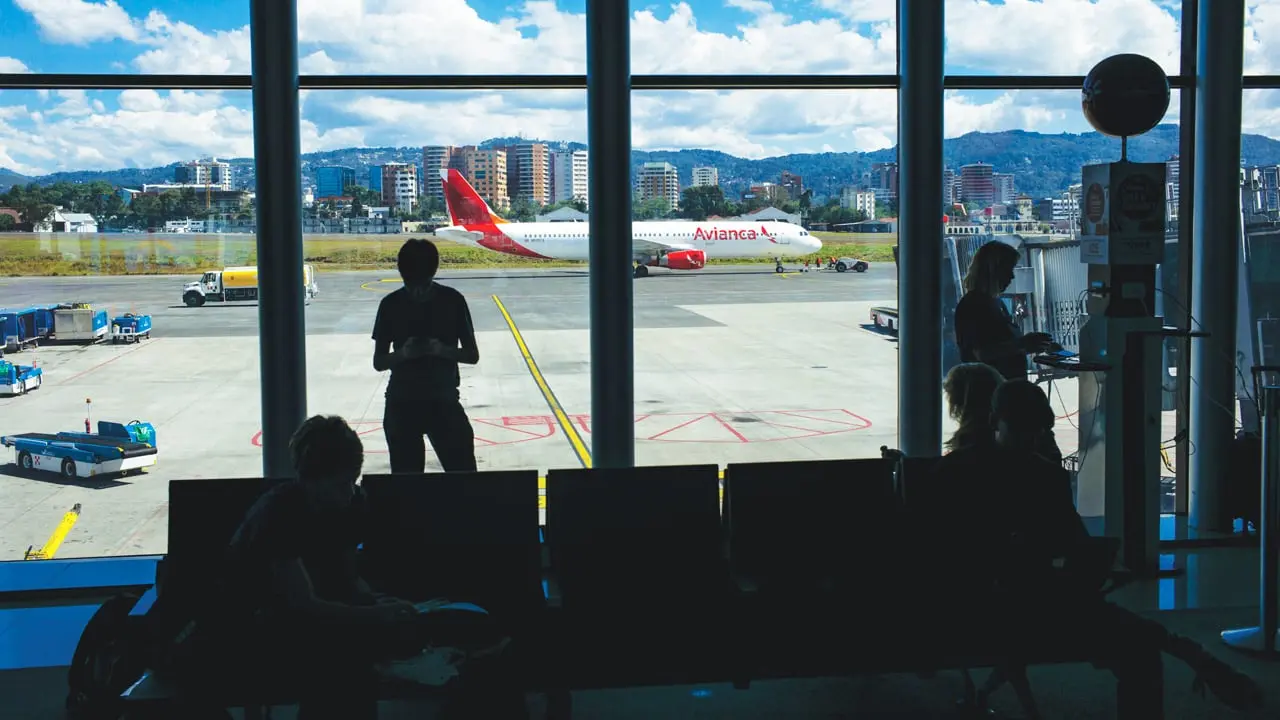
Guatemala will close 2026 with three new international air routes, two route reactivations, and 35 additional weekly frequencies from Avianca, an expansion that will strengthen the country's connectivity with Canada, Mexico, and the United States during the high travel season.
The announcement was made at La Aurora International Airport in Guatemala City, with participation from the Guatemala Tourism Institute (Inguat) and the Civil Aviation Authority (DGAC). Together, the new services will add about 12,000 seats for the holiday season.
🟠#EntrevistaTGW | La oferta de vuelos hacia Guatemala registra cambios durante 2026, con 64 frecuencias aéreas adicionales previstas para diciembre y la incorporación de 10 nuevos destinos. Pablo Castillo, vocero del Aeropuerto Internacional La Aurora, destacó el aumento de… pic.twitter.com/TTjMAuMmo4
— 📻 Radio TGWTV (@RadioTGWTV) November 24, 2026
New Routes to Toronto, Guadalajara, and Boston
The new connections begin in early December. Air Canada will launch a direct, year-round weekly flight between Guatemala City and Toronto on Thursdays. Volaris will start direct service to Guadalajara, Mexico, with two weekly flights. BermudAir will connect Guatemala City with Boston through Belize, operating twice a week through May 2027.
Avianca will also resume flights from Guatemala to Chicago and San Francisco on Dec. 2, giving travelers more direct options to two major U.S. markets with large Guatemalan communities.

Avianca Bets on Its Fastest-Growing Market in Central America
Avianca's expansion is the centerpiece of the package. The airline will increase service on several of its busiest routes. Flights to New York will rise from three to seven a week, while Washington will move to daily service. Los Angeles will also gain more weekly flights, and connections to San Salvador, San José, and Bogotá will increase from two to three daily flights.
Viviana Martín, Avianca's representative in Guatemala, said the country is the airline's fastest-growing market in Central America and has the largest expansion of any country it serves this season. "Guatemala is a strategic place for Avianca," she said.
Martín noted that the large Guatemalan community in the United States was a key reason for strengthening these links. In the short term, the airline plans to keep expanding options from Guatemala to the United States, El Salvador, Costa Rica, and Colombia.
Starting in February 2027, some U.S. routes that previously operated only part of the year will run year-round, giving airlines, travelers, and the tourism sector more predictable capacity.
Tourism Strategy Focused on Longer, Higher-Value Stays
For Inguat, the expansion fits a strategy to attract visitors who stay longer and spend more. Harris Whitbeck, the institute's director general, said that converting seasonal flights into year-round service benefits both tourism and business travel.
"We are interested in bringing travelers to Guatemala who want to stay more days in the country and spend more per day," Whitbeck said. He added that partnerships with airlines are a core part of Inguat's plan to promote the country abroad.

Connectivity as an Economic Engine
Air connectivity plays a direct role in Guatemala's economic growth. More routes and frequencies make it easier for tourists, investors, and executives to reach the country, while also supporting trade in high-value goods that move by air.
International arrivals have continued an upward trend that began in 2024, and Guatemala recorded more than 1.6 million non-resident visitors in the first half of 2026. Each additional flight brings potential spending in hotels, restaurants, transportation, and local businesses across destinations such as Antigua Guatemala, Lake Atitlán, and Petén.
New links to Toronto and Guadalajara also diversify the country's air network beyond its traditional reliance on U.S. hubs. Canada and Mexico are growing sources of tourism and business travel, and direct flights reduce travel times and costs for both leisure and corporate travelers.
For the business community, better connectivity supports nearshoring efforts. Companies evaluating Guatemala as a base for manufacturing or services often weigh how easily executives, clients, and technical teams can travel in and out of the country. More frequent flights to major North American cities make that case stronger.
With new routes, expanded frequencies, and a shift toward year-round service, Guatemala is positioning itself to capture more of the region's growing travel demand, strengthening tourism revenue and its appeal as a destination for investment.
Source: Prensa Libre