
10 Guatemalan Women Reinventing the Country's Business Future
From SaaS to biotech, meet the 10 powerhouse female founders from Guatemala who are defying expectations and scaling global businesses.


Guatemala is not the country most people imagine when they think of startups, technology, or global innovation. However, data and headlines are beginning to tell a different story. Over the past ten years, a group of Guatemalan women has built companies that no longer just compete within the country, but are breaking into New York, Mexico City, Florida, and beyond. They are founders of SaaS platforms, creative studios, consulting firms, sustainable luxury brands, reproductive biotechnology labs, and tech academies connecting talent with the world. They didn’t wait for permission. They didn’t wait for perfect conditions. They simply built.
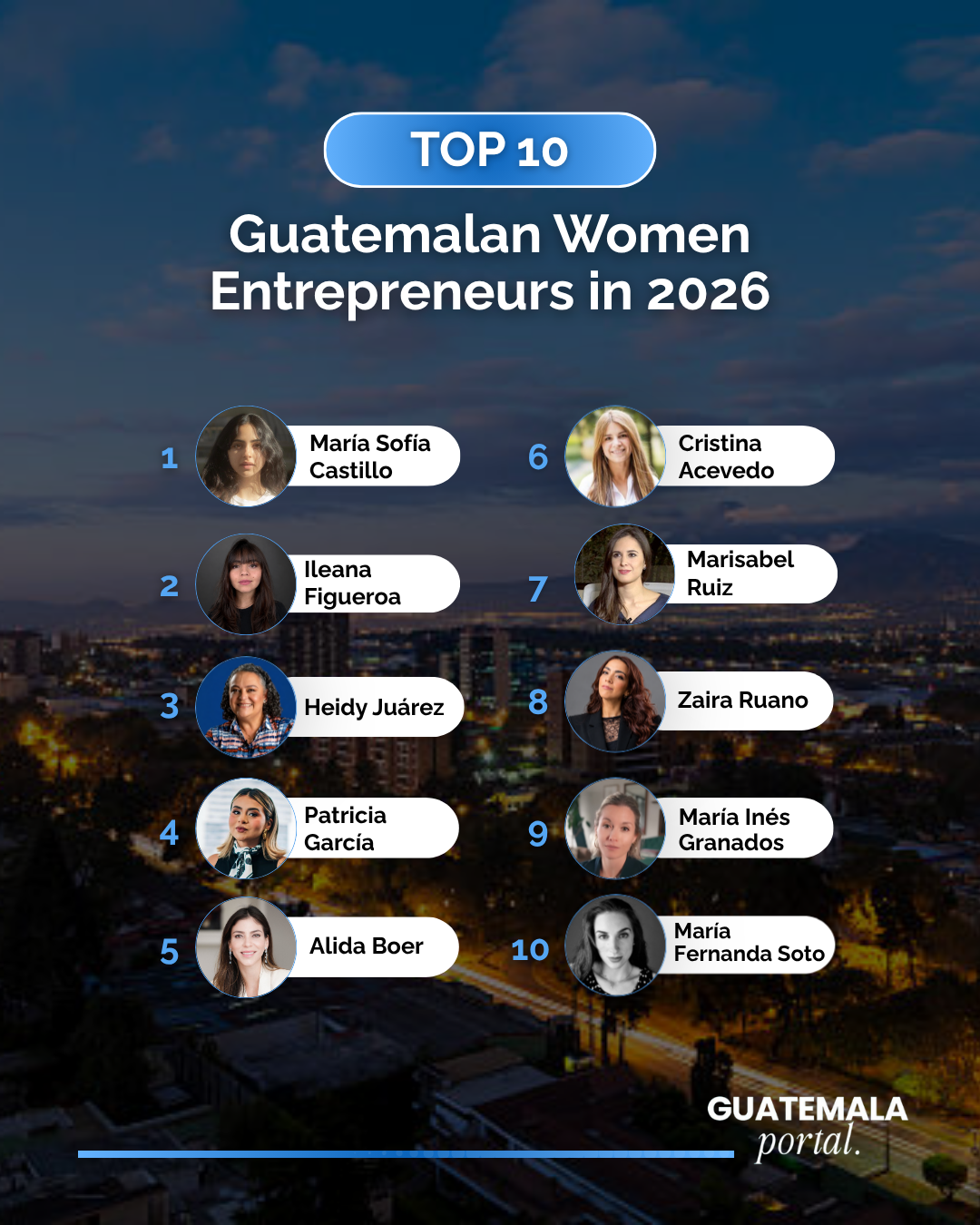
These 10 profiles read like stories of obstinacy, vision, and a generous dose of audacity. They are ten women whom any business owner, executive, or entrepreneur wanting to understand the next wave of Latin American talent should know.
María Sofía Castillo: The Promoter of Central American Tech Talent

There are few people who can say they founded a company at age 21, scaled it into a tech academy that trained thousands of software developers in Central America, and then made the leap to a new startup competing directly with global remote hiring platforms. Sofía Castillo is one of them.
Her story begins at Universidad Francisco Marroquín, where she studied Systems Innovation. There, instead of waiting to graduate to "start," she founded Core Code, a tech academy that solved a real problem: digital talent was scattered across Central America, but there were no structures to train it or connect it with global employers. The model was as smart as it was bold: Core Code charged a percentage of the salary of those who landed a job thanks to the program, perfectly aligning the academy's incentives with its students' success.
Forbes was quick to notice. Castillo was included in the Latin American Forbes 30 Under 30 list in 2025, becoming one of the few Guatemalan women to achieve this recognition. But the most telling part of her profile is not the award; it’s what she did next. Using Core Code as a springboard, she co-founded Simera, an AI-powered platform for sourcing, vetting, hiring, and paying remote talent, competing in a global market where giants like Remote or Deel operate. Today, she holds the title of Chief Innovation Officer at Simera and has two startups with an exit to her name. For the Central American ecosystem, Sofía Castillo is the most eloquent proof that you can leap from the classroom to the world in record time.
Ileana Figueroa: The Strategist Who Put Guatemala on the Global Digital Map

If anyone personifies the evolution of Latin American digital innovation, it is Ileana Figueroa. As CEO of ILB Metrics—a consulting firm of Guatemalan origin that now operates throughout Latin America and the United States—Figueroa has built something few achieve: a regional firm that competes—and wins—against global companies in much more mature markets.
In April 2026, ILB Metrics was recognized at the TechBehemoths Awards for the third consecutive year in Mexico. The detail that makes this recognition especially significant is its scale: TechBehemoths evaluates more than 54,000 technology and digital services companies across 68 countries, and only 3.5% receive any type of distinction. For Mexico—a market with over 4.5 billion dollars in annual digital investment—being recognized as the top firm against more than 600 registered competitors in Mexico City alone is an achievement of considerable proportions.
Under Figueroa's leadership, ILB Metrics has built a client portfolio that includes global and regional names such as Thomson Media, Rotoplas, Wayra, and EY (Ernst & Young). Her team operates with the agility of a startup and the analytical depth of an established consultancy, relying on proprietary methodologies and artificial intelligence tools.
Her quote says it all: "To innovate is also to know how to structure."
Marisabel Ruiz: Building Bridges Between the Digital World and Forgotten Women
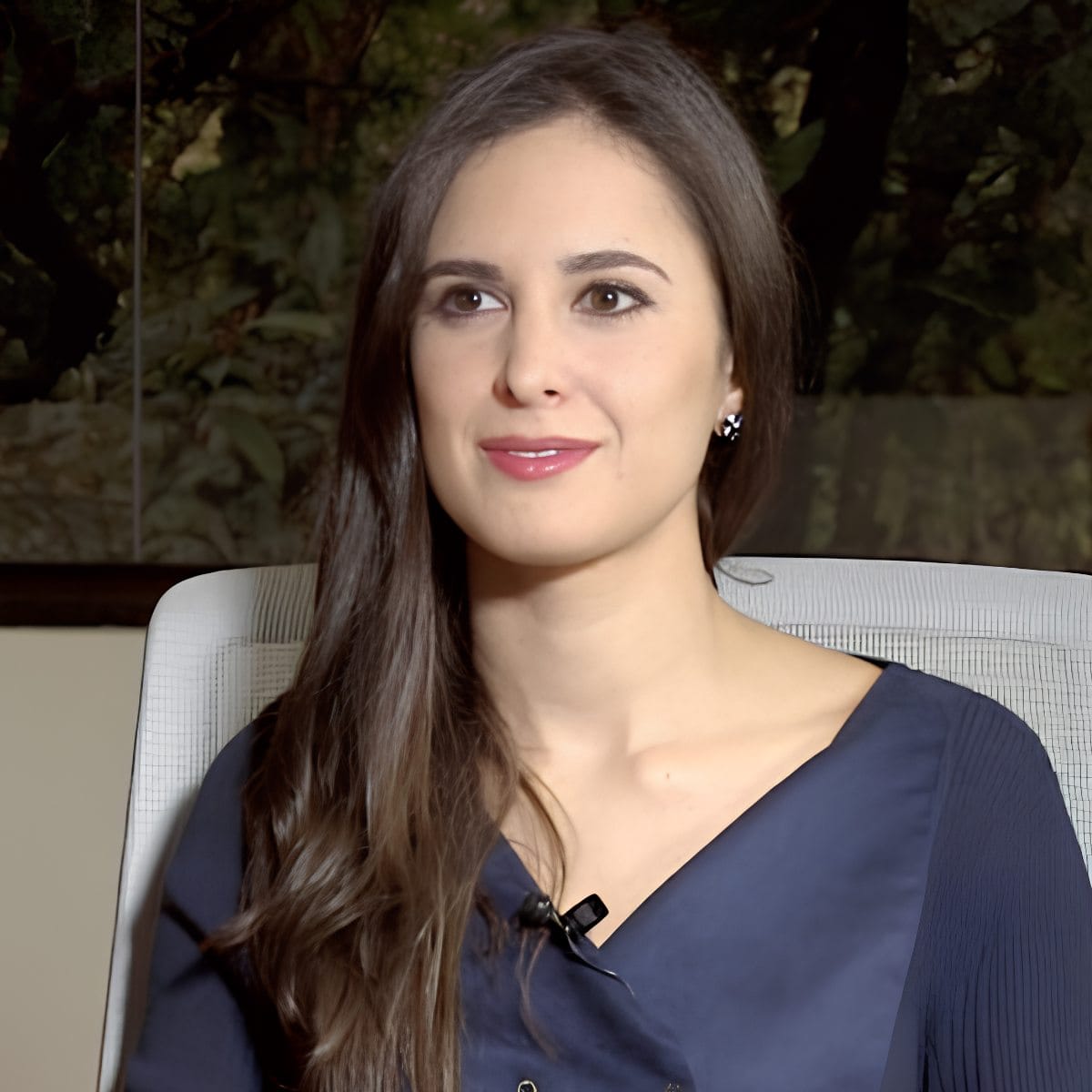
There are entrepreneurs who build businesses. And there are entrepreneurs who build movements. Marisabel Ruiz belongs to the second category. Founder of SHEVA and a World Economic Forum Global Shaper, Ruiz identified a fracture that many ignored: millions of women and girls in Guatemala and Latin America had access to a cell phone, but not to the information that could transform their health, nutrition, and personal development.
SHEVA was born as the answer: a program that leverages mobile technology to bring digital education in health, nutrition, and personal growth directly to communities that formal systems fail to reach. The numbers speak for themselves: the platform has trained more than 50,000 women and girls in Latin America. This is not a corporate social responsibility project or an academic experiment; it is a social enterprise solving a real problem of access to information using the most democratic instrument available: the mobile phone.
Ruiz was selected as the Women's Entrepreneurship Day (WED) Ambassador in Guatemala, a recognition that positions her as a benchmark for the female entrepreneurial ecosystem at a regional level. Her profile combines a clear social vision with the executive discipline required to scale. In an ecosystem where technology with a social purpose remains an emerging category, Marisabel Ruiz has already been doing it for years.
Patricia García: The Psychologist Who Built a Fashion E-commerce Empire
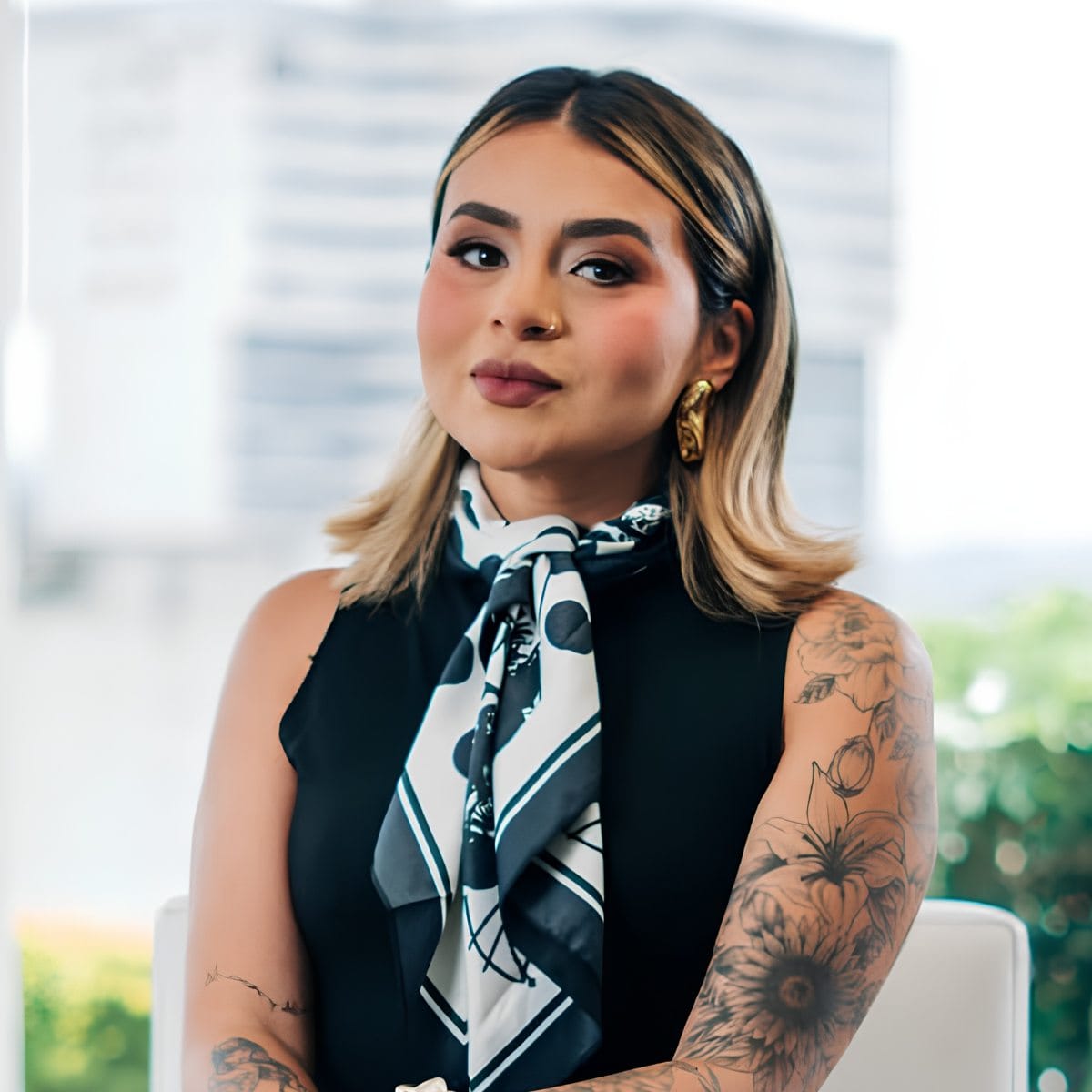
Patricia García doesn’t have an MBA, nor does she come from the financial world. She is a psychologist by training. And that, paradoxically, might be the secret behind the success of Dressy: an almost clinical understanding of female consumer behavior in digital environments.
Dressy began with a story that few entrepreneurs will forget when they hear it: Q75 in seed capital. With that figure—the equivalent of less than ten dollars—Patricia García began building what is today a brand that generates over seven figures monthly in fashion, technology, home, and beauty products. The business didn't just grow; it built a community. Dressy has one of the most active and engaged follower bases in Guatemalan e-commerce, an asset that no balance sheet can accurately reflect.
In 2026, García was called upon to serve as a judge for the Visionarias award, a major recognition for Guatemalan female entrepreneurs, alongside other prominent figures from the local ecosystem. Her example brands her not only as a business leader but also as a mentor for a new generation of digital entrepreneurs. Her story proves that Guatemalan e-commerce is no longer an experiment—it is an industry with its own iconic figures.
Alida Boer: The Beauty Queen Who Democratized Sustainable Hair Care

Few business paths blend as many different worlds as Alida Boer’s. First, she was Miss Guatemala 2007 and represented the country at Miss Universe. Then, she founded Maria's Bag in 2011, a luxury handbag brand that fuses high-quality leather with Guatemala's ancestral Mayan textiles, creating dignified employment for Guatemalan artisans and positioning the country's textile heritage as Latin American haute couture.
But it was in 2022 when Boer launched the project that would take her to international storefronts: Nolé Care, a line of shampoo bars—plastic-free solid shampoos—crafted with Batana oil, a natural ingredient of Guatemalan origin. The product is free of sulfates, parabens, silicones, salt, and plastic, responding to the growing global market for sustainable and conscious beauty. The brand was showcased at New York Fashion Week in 2024 and has been featured in international publications like Vogue and WWD, placing a 100% Guatemalan brand in the same arenas where global beauty giants compete.
In 2025, Boer returned to Guatemalan screens as a "shark" on the popular franchise Shark Tank Guatemala, coming full circle on a trajectory that makes her an entrepreneur, social businesswoman, and ambassador of Guatemalan talent to the world. Her story is, in essence, that of Guatemala itself: rich in resources, culture, and potential, ready to be discovered.
Cristina Acevedo: The Mastermind Behind Guatemala's First Sportswear Brand
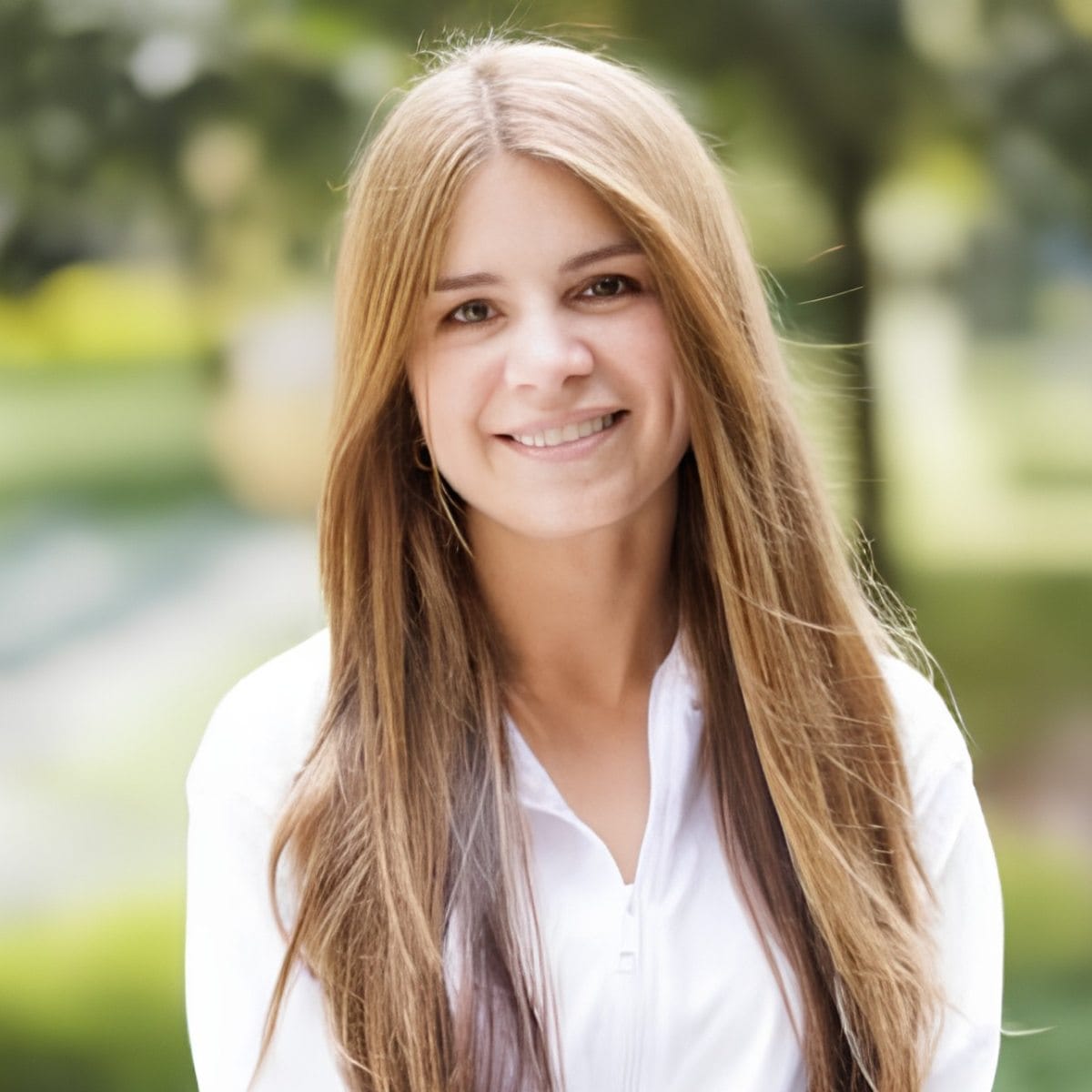
Running. Designing. Entrepreneurship. Cristina Acevedo took her three passions and turned them into a single company: Alma Active, the first sportswear brand founded in Guatemala with the ambition to reach the international market.
The beginning was as modest as it was determined: in 2014, Acevedo started with the production of twelve athletic shirts, sold directly from her car to gyms and fitness studios. With the profits from those first sales, she funded the next 48 units. And so, without external debt or backing from investors, she reinvested every dollar earned until she built a brand that a decade later has physical stores in premium areas of Guatemala City. In 2024, Alma Active celebrated its ten-year anniversary with the inauguration of a new store in Galerías Tiffany, Zone 14—growing from a 16-square-meter space to a 100-square-meter flagship.
What sets Alma Active apart is not just its aesthetics: it is its commitment to sustainability and cultural identity. The garments are manufactured using high-performance ISO 9000 fabrics with quick-dry, sun protection, and antibacterial properties, and in recent years the brand has incorporated fabrics derived from recycled plastic—in 2023, 8,785 plastic bottles were transformed into sportswear. The designs are inspired by nature and Guatemalan textiles, collaborating with local artists and illustrators. A local company that thinks globally, exactly as its founder dreamed from the start.
María Fernanda Soto: The Architect of Digital Education in Guatemala

At the intersection of technology, education, and entrepreneurship, María Fernanda Soto has found her territory. Co-founder and COO of SchoolAid, a SaaS platform that automates and simplifies the operations of educational institutions, Soto represents a new generation of Guatemalan tech entrepreneurs with over nine years of experience leading organizations in the sector.
SchoolAid responds to a specific problem that any parent, principal, or school administrator knows all too well: fragmented communication, manual processes, and a lack of integrated digital tools to manage an educational institution. The platform unifies communication, permission slip management, schedules, and access to school information into a single application, and it is already used by schools within the Association of Private Educational Schools (APDE) in Guatemala. Running the company from the Technological Campus in Zone 4 of Guatemala City places SchoolAid right at the heart of the local tech ecosystem.
Soto is also the Director of the Disruptive Education Center at Universidad Francisco Marroquín (UFM), one of the most influential educational research and training centers in the country. This dual position—as a private-sector entrepreneur and an institutional innovator in academia—makes her a bridge between the startup world and the university world, two ecosystems that rarely converse in Guatemala with the fluidity they should.
Zaira Ruano: The Chemical Engineer Who Reinvented Marketing From Scratch

What does chemical engineering have in common with strategic marketing? The answer, according to Zaira Ruano, is the method: the ability to identify variables, understand systems, and design precise solutions. A graduate in Chemical Engineering from Universidad del Valle de Guatemala, Ruano took a radical turn in her professional career to found Metanoya Boutique Marketing, defined as Guatemala's first boutique marketing studio.
Metanoya’s model is as unique as its founder’s profile: an intentionally small studio that operates with the strategic depth of a large consultancy, specializing in branding, digital strategy, and visual experiences for high-profile brands. Its clients include the Courtyard by Marriott Guatemala City—ranked as the number one hotel in the Caribbean and Latin America—which speaks volumes about the trust large international corporations place in a local firm.
Forbes Central America has recognized Ruano in two different editions, 2025 and 2026, consolidating her status as one of the region's most prominent entrepreneurs. She was even invited by Forbes Central America to its special March 2026 edition for International Women's Day. Her story challenges the conventional narrative of entrepreneurship: she didn't enter from the world of design or advertising, but from science, and that precisely gave her a competitive edge that few can replicate.
María Inés Granados: The Leader Driving Conscious Motherhood

There are pitches you forget the moment you leave the auditorium. And there are pitches that stick with you. María Inés Granados's pitch on Shark Tank Guatemala was one of the latter: with precise data, a clear purpose, and the conviction of someone who built something real from scratch, the founder of Pita con Nudo—now Nudo Market—captured the attention of the sharks on the business show.
The concept behind Pita con Nudo is as simple as it is powerful: a marketplace focused on conscious motherhood, where baby and maternity items that are no longer needed find new families instead of ending up in the trash. Since its founding in June 2021, the platform has processed more than 2,300 transactions through a single channel (Instagram), with an average ticket of USD$20 per product and—the number that made more than one shark do a double-take—a gross margin of 95% and a profit margin of 56%. These are metrics that many mature digital businesses would envy.
Beyond the numbers, what makes Nudo Market different is its community identity: the platform is not just a shop, but a space that hosts workshops, talks, and support networks centered around conscious motherhood. It is exactly the type of business Latin American impact funds look for: a company with a robust economic model and a genuine social purpose, born out of the personal experience of a mother who simply solved her own problem and discovered that thousands of women faced the exact same one.
Heidy Juárez: From Street Vendor to Leading Businesses in Reproductive Genetics

Few entrepreneurship stories in Guatemala are as improbable—and as inspiring—as Heidy Juárez’s. Her journey to becoming the CEO of Innovagen S.A., a pioneering company in genetic diagnostics and reproductive biotechnology in Guatemala, went through moments that no entrepreneurship course teaches: the shattered dream of becoming a medical doctor, working for pharmaceutical companies, an unexpected layoff, and a chapter spent selling candy and chewing gum on the street, which, in her own words, was her best business school.
"That was the most successful company I’ve ever had because it taught me to fight and push forward," Juárez said of her time as a street vendor.
That resilience led her to found Innovagen in 2014 with an ambitious goal: bringing first-world genetic diagnostic technologies to developing countries. Today, the company provides genetic diagnostic tools for human reproduction—including preimplantation genetic testing, umbilical cord stem cell banks, and neonatal screening—and distributes specialized supplies for andrology and embryology laboratories across the region.
With more than 20 years of accumulated experience in genetics and biotechnology, Juárez was honored in 2024 with the Entrepreneur of the Year Award by Mujeres Emprendiendo Guatemala (MEG) and the Women Entrepreneurship Day Organization (WEDO). She is also the Vice President of the Board of Directors of FUNDANIER, the foundation for children with kidney disease in Guatemala. Her story proves that biotechnology is not exclusive to Silicon Valley or Berlin; from Guatemala City, with obstinacy and vision, one can also build science that transforms lives.
Guatemala Has Something New to Export
Reading these ten profiles as a whole reveals something that macroeconomic data cannot yet fully explain: the rise of a generation of Guatemalan female entrepreneurs operating at global standards from a geography that the world continues to underestimate. They are founders recognized by Forbes, TechBehemoths, Vogue, and Shark Tank, who have built SaaS platforms, beauty brands, tech academies, marketing studios, regional consultancies, and biotech firms that are literally changing lives. They are concrete evidence of a silent but irreversible transformation: moving from a country known for exporting commodities and basic textiles to one capable of creating highly differentiated solutions with its own distinct stamp.
What unites these ten women is not just gender or nationality; it is an attitude toward the scarcity of resources and the abundance of barriers: they turn them into fuel. Sofía Castillo trained talent where there was no infrastructure. Heidy Juárez built science where there was no capital. Patricia García built an empire with ten dollars. Cristina Acevedo started with twelve shirts. That ability to begin with almost nothing and scale with discipline is, perhaps, the most valuable asset Guatemala has to offer to the Latin American entrepreneurial ecosystem.
To the investors, corporations, and funds still looking for the next innovation hub in Central America: it is already here. They just need to see it.


