Tierra Fértil: How Walmart Is Empowering Sustainable Agriculture in Tecpán
Through the Tierra Fértil program, Walmart supports small producers in Tecpán, Guatemala, promoting sustainable agriculture, innovation, and stable local employment.

In Tecpán, Chimaltenango, small-scale agriculture is undergoing a meaningful transformation driven by sustainability, innovation, and long-term partnerships. Through Tierra Fértil, Walmart Guatemala supports local producers with technical assistance and direct market access, enabling family-run businesses to modernize their operations, create employment, and build economic stability in rural communities.
From traditional farming to sustainable innovation
In the highlands of Tecpán, Distribuidora y Servicios Chumil stands as a clear example of how experience and innovation can work hand in hand. Led by Henry Chumil alongside his mother, Albertina López, the family has more than four decades of agricultural experience.
What began as a small-scale production of cabbage and strawberries has evolved into a more efficient and sustainable operation that contributes to the local economy.
Hydroponic strawberries and sustainable growth
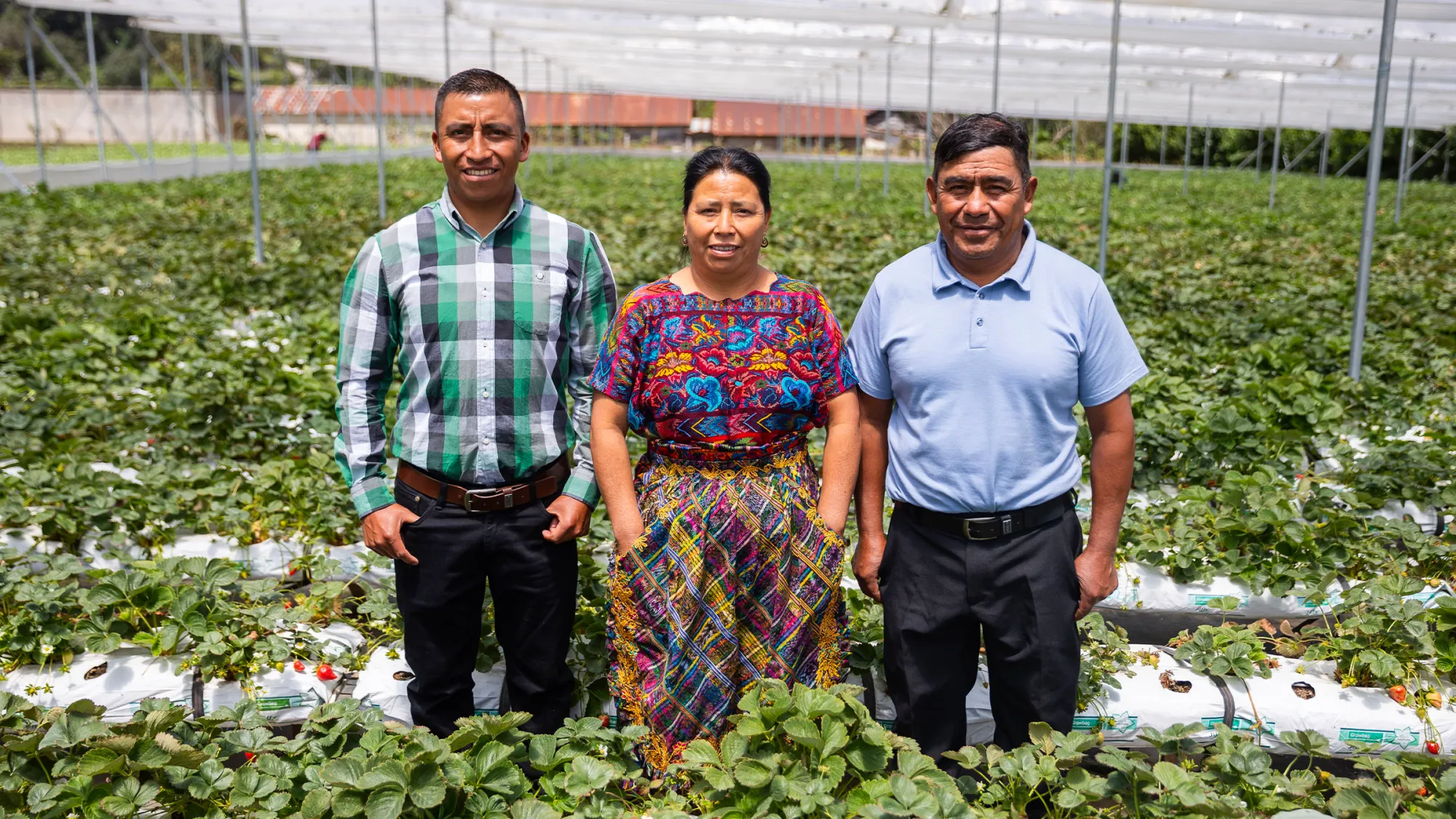
A turning point came in 2013, when the company joined Walmart’s Tierra Fértil program. The initiative provided technical guidance, commercial stability, and direct access to the retail market, allowing the family business to transition toward hydroponic strawberry production, a system designed to reduce environmental impact while improving yields.
Although adopting hydroponic farming, a cultivation method that allows plants to grow without soil, required significant upfront investment and a demanding learning process, specialized technical support from Walmart played a key role in stabilizing production and improving efficiency.
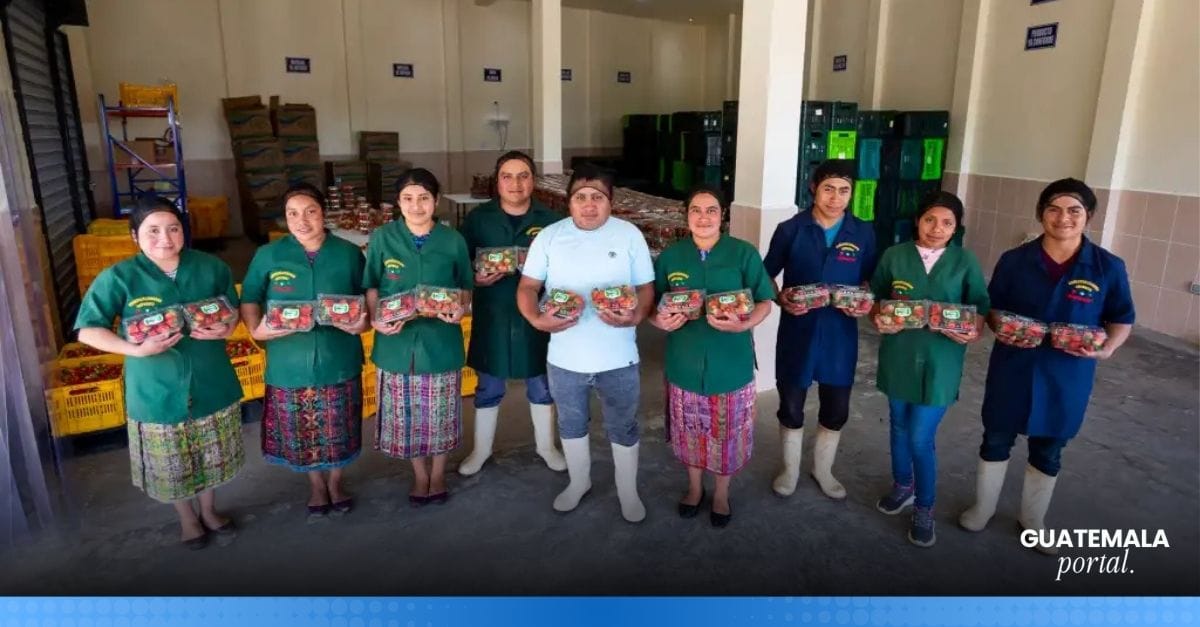
Today, Distribuidora y Servicios Chumil produces between 100 and 150 boxes of hydroponic strawberries per week, along with 600 to 800 boxes of cabbage, all distributed across Walmart stores nationwide. The company has also implemented waste recycling, reforestation initiatives, and improved labor conditions. Its workforce of 15 people includes 40% women, primarily in harvesting and packing roles.
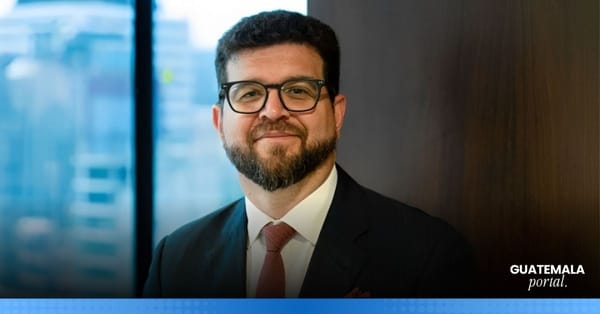
“These success stories demonstrate the transformative power of our program. We are proud to support small and medium-sized producers by providing tools, training, and direct access to the market,” said Luis Arturo Ramírez, Corporate Affairs Coordinator at Walmart Guatemala.
Technology and productivity driving local impact
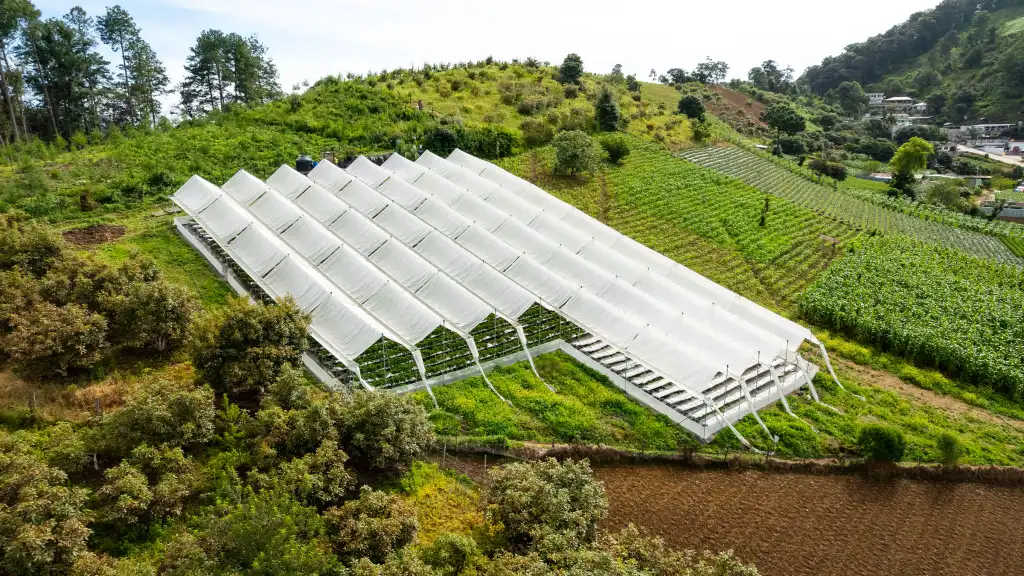
Another example of Tierra Fértil’s impact can be found in Comercializadora Margarita, a family business led by Isaías Sen in the community of Fátima, Tecpán. Prior to joining Walmart’s supplier network, Sen relied on intermediaries, resulting in fluctuating and unpredictable income.
That dynamic changed once the company became part of Tierra Fértil. With a stable buyer and year-round delivery schedules, Comercializadora Margarita gained the certainty needed to plan production and invest in improvements. Technical support enabled the construction of a greenhouse, the strengthening of cultivation systems, and the adoption of best practices for strawberry farming, a crop that requires constant monitoring and precision.
As a result, productivity and quality improved significantly. During the 2025 peak season, the company delivers between 600 and 700 boxes of strawberries per week, meeting freshness, safety, and quality standards for nationwide distribution. Sen, his wife, and a team of 10 to 15 local workers manage the entire production chain, generating steady employment for families in the area.
Long-term sustainability and shared growth
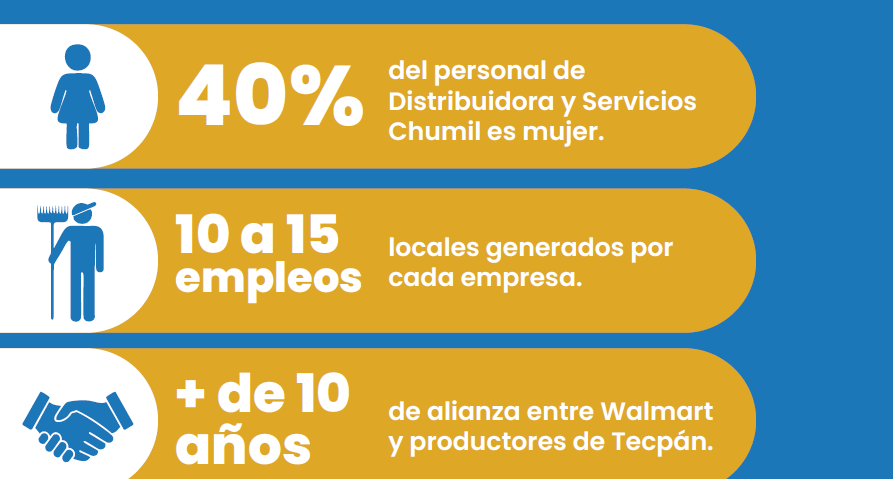
Both producers agree that Walmart’s support has gone beyond commercial transactions. The stability provided by Tierra Fértil has enabled them to plan ahead, project future investments, and pursue new goals with greater confidence.
At the same time, the responsible practices promoted through the program reinforce the social and environmental impact of their businesses, contributing to a more sustainable agricultural model in rural Guatemala.