“The path is clear — we need more unity, integration, and interconnection” Bernardo Arévalo
With a call to strengthen integration amid global challenges, Bernardo Arévalo, President of Guatemala, opened the 2026 Latin America and the Caribbean International Economic Forum.
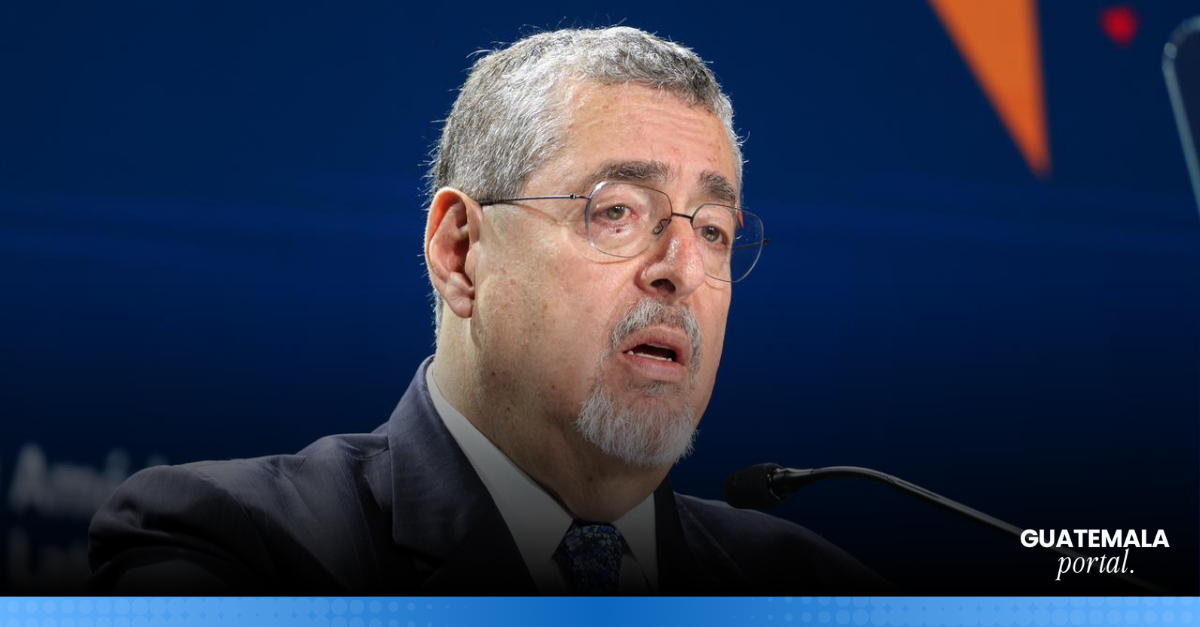
Panama City, January 28, 2026 — The President of Guatemala, Bernardo Arévalo, emphasized that, in the face of global challenges, the direction the country and the region must take is clear: “We need more unity, more integration, coordination, and interconnection, as well as a renewed commitment to an international system based on law and peace, and to sound, sustainable development financing.”
The Forum’s opening session was led by Sergio Díaz-Granados, Executive President of CAF, together with Raúl Mulino, President of Panama; Luiz Inácio Lula da Silva, President of Brazil; Rodrigo Paz, President of Bolivia; Daniel Noboa, President of Ecuador; Gustavo Petro, President of Colombia; Andrew Holness, Prime Minister of Jamaica; and José Antonio Kast, President-elect of Chile.
During his remarks, Sergio Díaz-Granados, Executive President of CAF, underscored the historic nature of the meeting and the need to strengthen regional integration in the face of global challenges: “This Forum was created to reflect on how to equip our nations with the necessary coordination capacities, and how to empower our region by integrating among ourselves and with the rest of the world. Amid fragmentation, we need broad, bold, and high-impact spaces for reflection — to align positions, enhance our geopolitical role, and give the region its own voice that offers concrete solutions and pathways for action.”
Díaz-Granados also highlighted CAF’s role in supporting countries in addressing regional issues and its ambitious expansion plans for the next five years: “We have the foundation to achieve exponential growth of our portfolio. We aspire to expand the bank by at least 70% by 2031, which would mean around USD 100 billion in new approvals — with at least 20% of these destined for the private sector.”
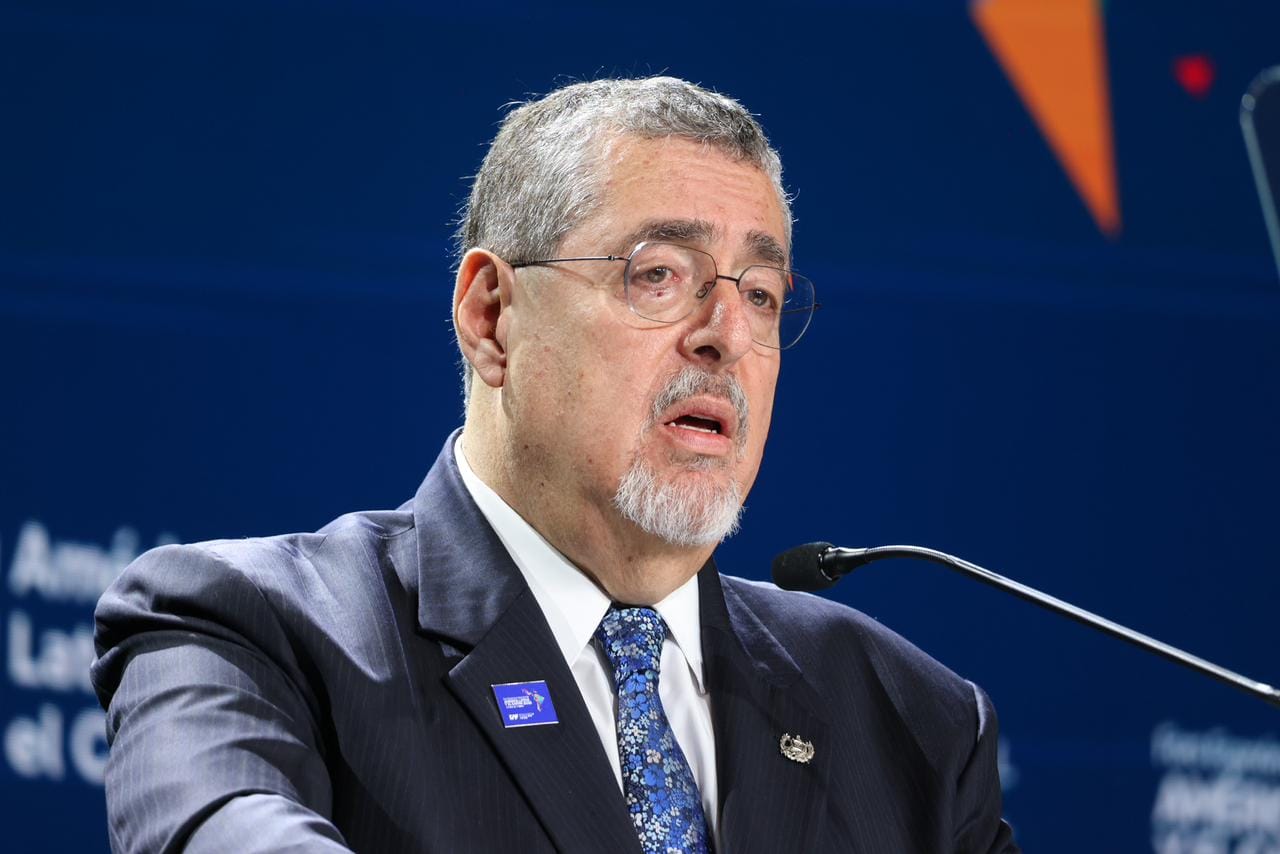
Arévalo also pointed out the growth of Guatemala’s economy, “driven by a significant increase in investment, particularly from the public sector, as well as strong momentum from family remittances, which surpassed USD 25 billion in 2025.” He added that he is aware of the challenges shared with the rest of the region, such as the need to strengthen human capital and infrastructure.
The Forum, taking place on January 28 and 29, brings together Heads of State and Government, ministers, business leaders, representatives of international organizations, and academics to discuss the main challenges and opportunities facing Latin America and the Caribbean — with more than 6,000 participants registered from 70 countries.
The agenda covers key issues such as economic growth, regional integration, sustainability, investment, inclusion, and competitiveness, with the goal of building — through dialogue — concrete solutions that foster the region’s development.
- Link of the full agenda of the 2026 Latin America and the Caribbean International Economic Forum
- The event can be followed live on CAF’s YouTube channel
About CAF
CAF — Development Bank of Latin America and the Caribbean — has the mission of promoting sustainable development and regional integration through the financing of public and private sector projects, the provision of technical cooperation, and other specialized services.
Founded in 1970 and currently composed of 24 countries — 22 from Latin America and the Caribbean, plus Spain and Portugal — along with 13 private banks, it is one of the main sources of multilateral financing and a leading provider of knowledge for the region.