
Technological Transformation Shaping the Pharmaceutical Industry in Latin America
Digitalization is driving the pharmaceutical industry in Latin America, improving logistics, operational efficiency, and supply chain security.

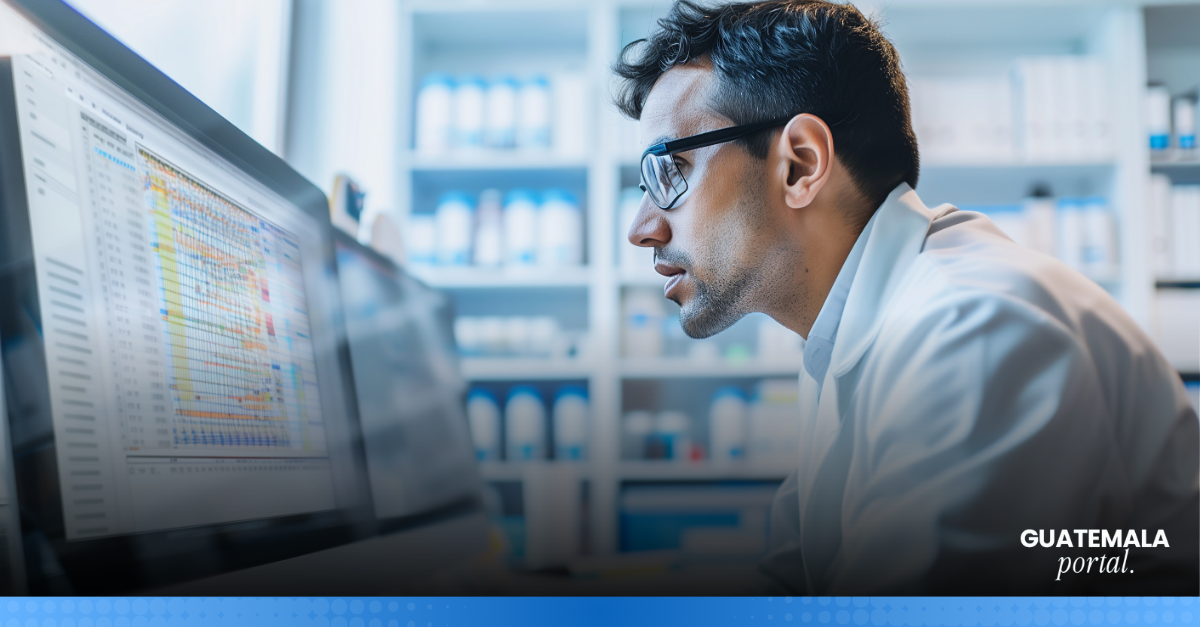
The pharmaceutical industry in Latin America is advancing toward a model increasingly supported by digital technology. In a context marked by higher regulatory demands, delivery time pressures, and the need to ensure medication safety, companies in the sector are rethinking their processes to gain efficiency, traceability, and responsiveness.
In countries like Guatemala, this evolution translates into the progressive adoption of digital tools that modernize pharmaceutical distribution and strengthen the supply chain. The so-called Logistics 4.0 is now a reality, redefining how inventories, routes, and information flows are managed.
Digitalization Applied to the Pharmaceutical Chain
The integration of technological solutions has allowed companies to move away from rigid operational models and adopt more dynamic and connected systems. Today, digitalization directly impacts how manufacturers, distributors, and logistics operators interact, facilitating more transparent and coordinated processes.
Some of the key technological applications driving this change include:
- Digital information exchange platforms, improving communication among different players in the chain and easing regulatory compliance.
- Artificial intelligence tools used to optimize distribution routes and automate operational tasks.
- Data analysis and predictive models that anticipate demand fluctuations and potential logistical disruptions.
- Automation and robotics in distribution centers aimed at reducing errors and improving inventory management.
- Real-time monitoring systems, crucial for ensuring the integrity and quality of products during transportation and storage.
These solutions contribute to a more precise operation, with better control and greater adaptability in the face of changing scenarios.
Efficiency and Safety as the Core of Change
The impact of digitalization is directly reflected in operational efficiency and the enhancement of safety within pharmaceutical distribution. Automating processes reduces response times, while logistical optimization helps contain operational costs without compromising quality.
At the same time, digital traceability and continuous tracking of goods reinforce controls against risks like losses, diversions, or the entry of unauthorized products. This is especially important in a sector where trust and regulatory compliance are critical factors for operating locally and internationally.
Agencias J.I. Cohen and Logistical Evolution in Guatemala
In Guatemala, Agencias J.I. Cohen has been an active participant in this transformation process. Founded in 1952 by Jack Irving Cohen and currently led by Alberto Cohen Mory, the company has committed to modernizing its logistics operations through technology and continuous team training.
One of its key initiatives is the development of a new distribution center equipped with robotic solutions, designed to align with international standards and respond more efficiently to the needs of the pharmaceutical market. This approach aims to optimize the supply chain and provide greater reliability to customers and business partners.
Additionally, the company earned the recognition in 2014 as an Authorized Economic Operator (AEO), which strengthens its position as a trusted player in foreign trade and pharmaceutical distribution in the region.
A Sector Advancing Toward Smarter Models
Digitalization continues to redefine the pharmaceutical industry in Latin America, driving more efficient, secure operations that align with current market demands. In Guatemala, the adoption of digital technologies has solidified as a key factor for companies in the sector to maintain their competitiveness and strengthen their role in the regional supply chain.
The shift to smarter logistical models is already underway and sets the stage for a more connected, transparent, and globally prepared pharmaceutical industry.