
New Dynamics Redefining Foreign Trade in Central America
Digitalization, smart logistics, and sustainability are transforming foreign trade in Central America.

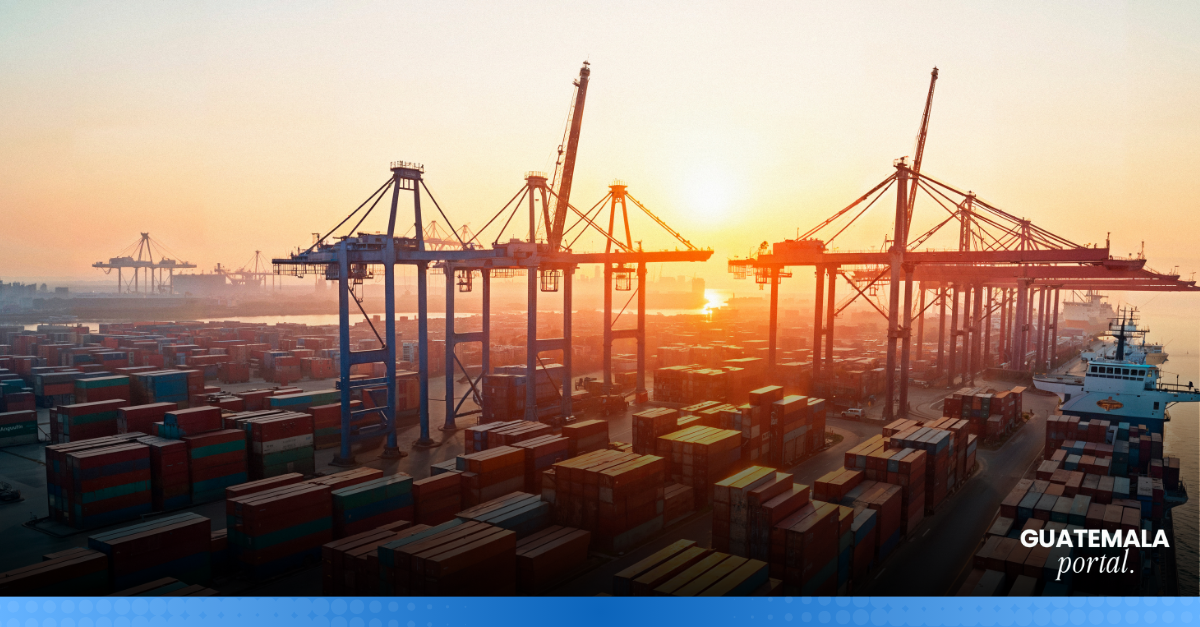
Trade in Central America is advancing towards a more sophisticated stage. The integration of technology and more flexible business approaches is changing the way companies in the region participate in international trade, with more efficient processes, greater operational control, and an increasingly aligned vision with global standards.
Smarter Operations to Compete in Global Markets
One of the most noticeable changes is occurring in logistics management. Companies are moving away from rigid structures and adopting solutions that integrate automation, robotics, and data analytics. This shift enhances inventory control, accelerates delivery times, and optimizes resources in a context where efficiency makes a significant difference.
Predictive analytics, for example, has become a key tool to anticipate demand fluctuations and adjust operational planning. In an international landscape influenced by geopolitical tensions and increasingly demanding consumers, this adaptability is proving to be a strategic advantage.
In this landscape, Agencias J.I. Cohen, founded by Jack Irving Cohen and currently led by Alberto Cohen Mory, has implemented practices focused on optimizing transportation routes and enhancing real-time monitoring of operations. Additionally, the company has begun the construction of a distribution center supported by robotic technology, designed to streamline processes and improve operational efficiency.
Sustainability as the Core of Regional Trade
Environmental focus has moved from being an optional element to becoming an essential condition in foreign trade. In Central America, more companies are aligning their strategies with sustainability principles, driven by international standards and increased market awareness.
The adoption of responsible practices, such as reducing emissions, using resources efficiently, and incorporating circular economy models, helps mitigate environmental impact while strengthening corporate reputation. This approach allows organizations to solidify their position in markets where environmental traceability and social commitment directly influence business decisions.
Digitalization and Transparency in the Supply Chain
Digital transformation is becoming one of the pillars of foreign trade in the region. Technological platforms, blockchain-based solutions, and systems supported by artificial intelligence are improving traceability, reducing risks, and increasing trust among various actors in the logistics chain.
In practice, these tools enable concrete advances such as:
- Real-time tracking of goods from origin to delivery point.
- Reduction of fraud and operational errors, thanks to verifiable digital records.
- Faster information exchange between companies, logistics operators, and authorities.
- Optimization of customs processes through intelligent validation systems.
The implementation of digitized processes facilitates coordination between different links in international trade and helps reduce the time associated with imports and exports.
This level of transparency is critical to competing in markets where security and operational efficiency are essential requirements.
Thus, the convergence of logistics innovation, sustainability, and digitalization is redefining foreign trade in Central America. These trends not only optimize existing processes but also open up new opportunities for companies in the region to establish themselves as reliable and competitive players in the global arena.