
Nearshoring in Guatemala: Infrastructure as the Key to Regional Competitiveness
Nearshoring in Guatemala depends on ready industrial infrastructure, strategic locations and competitive capacity to attract relocation investment.

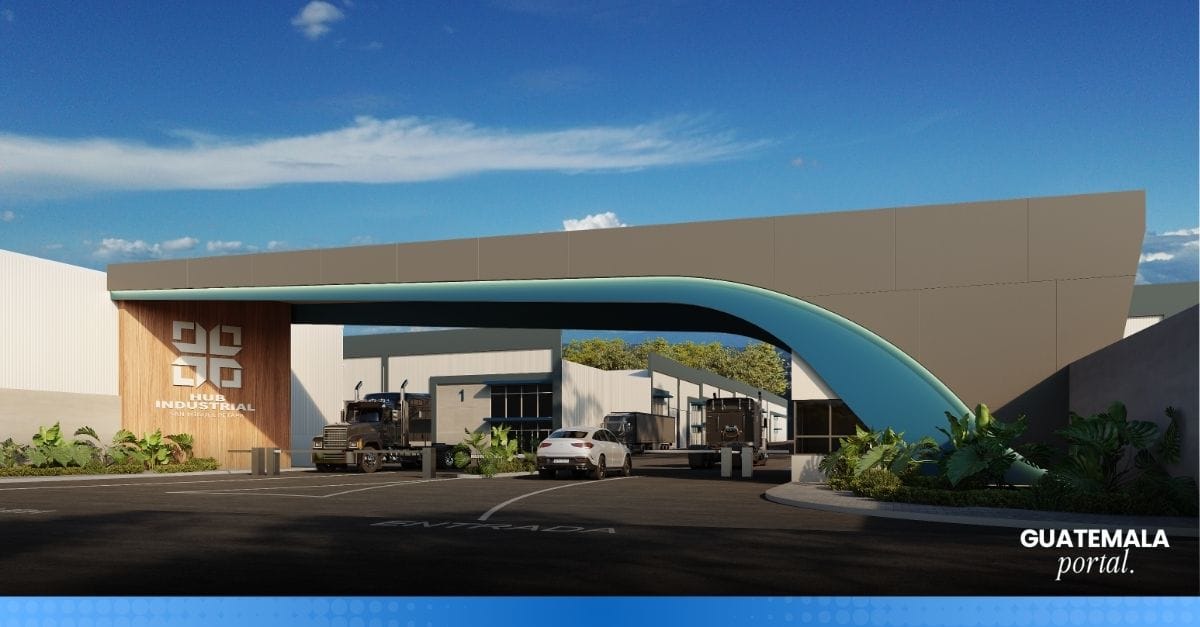
Nearshoring in Guatemala has become a recurring theme in business forums and economic discussions over the past two years. Yet beyond the buzzword, the real challenge is not whether the country has potential to attract industrial relocation, but whether it is truly prepared to compete for that investment.
Infrastructure, not rhetoric, drives industrial relocation
Guatemala has sustained GDP growth close to 4% annually in recent years, a moderate yet steady pace within the regional landscape. While macroeconomic stability remains a valuable asset, growth alone does not secure productive investment. What companies relocating supply chains demand is ready-to-use infrastructure.
Industrial relocation does not materialize in conference rooms. It materializes in operational warehouses, fully developed industrial parks and logistics nodes connected to strategic routes. Companies restructuring supply chains are not looking for five-year promises; they are looking for available square meters today.
In this context, the southern metropolitan area of Guatemala City has started to play a decisive role. Municipalities such as San Miguel Petapa combine three difficult-to-replicate factors: high urban density, which translates into available talent, proximity to consumption centers, and direct access to the southern corridor, one of the country’s most relevant logistics arteries.
Strategic locations as long-term economic assets
In an environment where efficient industrial infrastructure is limited, truly connected locations become strategic assets. And strategic assets require long-term planning, not improvisation.
The industrial real estate segment has also demonstrated stronger resilience compared to other asset classes. During periods of economic adjustment, logistics and manufacturing do not disappear; they adapt and reconfigure. This dynamic positions well-located industrial infrastructure as a vehicle for capital stability and sustained growth.
“If Guatemala wants to consolidate itself as a regional hub, the conversation must evolve,” said Ing. Hugo Bosque, CEO of Nempresa. “It is not enough to highlight trade agreements, geographic advantages or demographic windows. Competitiveness is measured in installed capacity and in the expertise of those developing that infrastructure.”
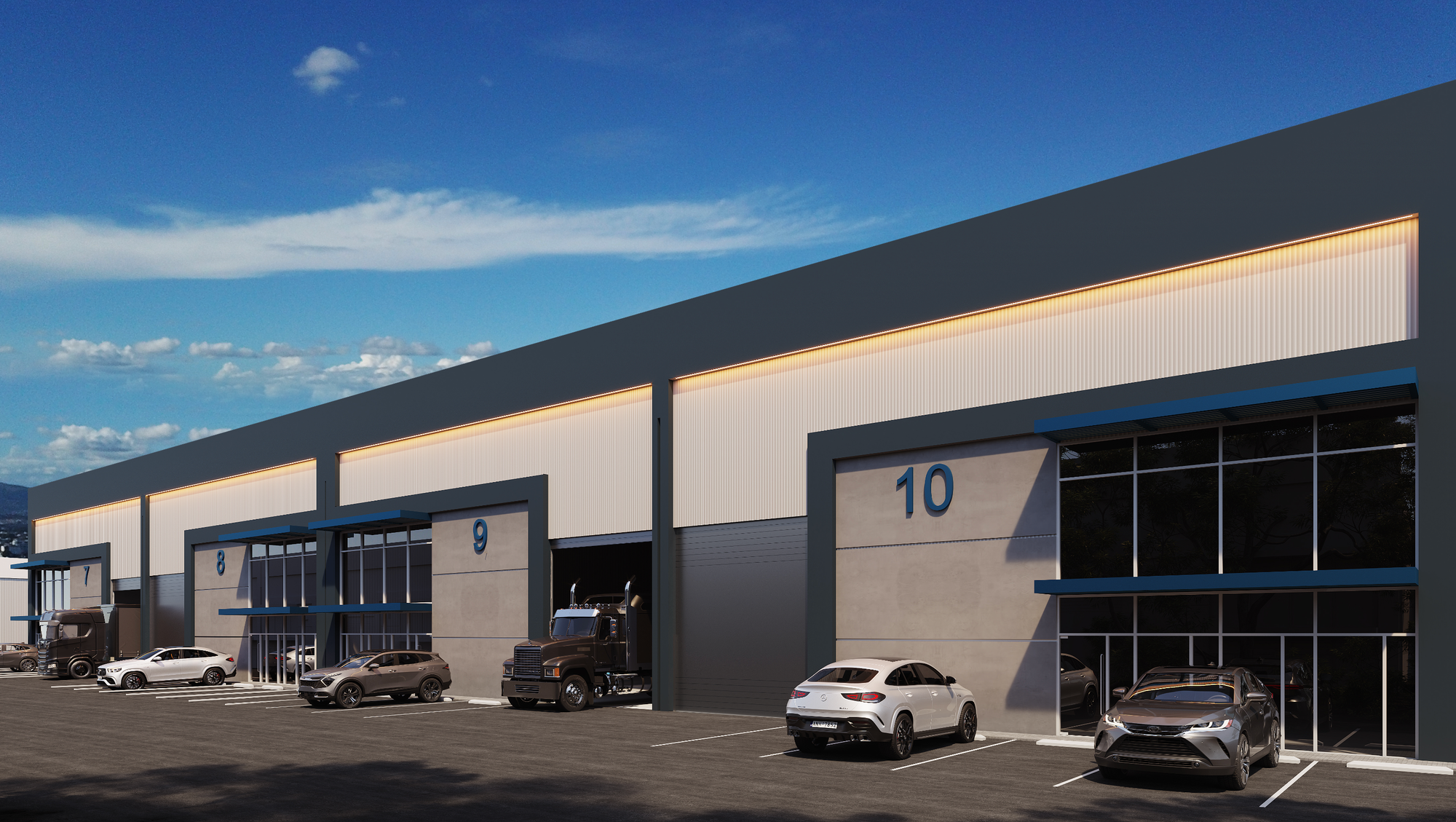
Bosque added that Nempresa has promoted both long-term patrimonial projects and for-sale developments, offering industrial units starting at 500 square meters, as well as built-to-suit solutions exceeding 25,000 square meters, designed to serve both local companies and international corporations seeking tailored operations.

Preparing today for tomorrow’s demand
From this perspective, nearshoring in Guatemala is not an aspirational narrative but a tangible opportunity, particularly for those who anticipate infrastructure needs before demand peaks.
Planned industrial developments in the southern metropolitan area reflect this forward-looking approach: integrated ecosystems combining connectivity, security and flexible design for companies aiming to scale alongside the regional economy.
“At Nempresa, we believe nearshoring is not something you wait for — it is something you prepare for. Hub Industrial represents that conviction: ready infrastructure, strategically located, designed to compete in a regional economy that is being reshaped,” Bosque concluded.
Ultimately, the difference between opportunity and discourse lies in the infrastructure built today to sustain tomorrow’s economy.