
HPV in Guatemala: From Diagnosis to Access to Safe and Effective Vaccines
Learn how HPV vaccination is advancing in Guatemala and why pharmaceutical distribution is vital to the process.

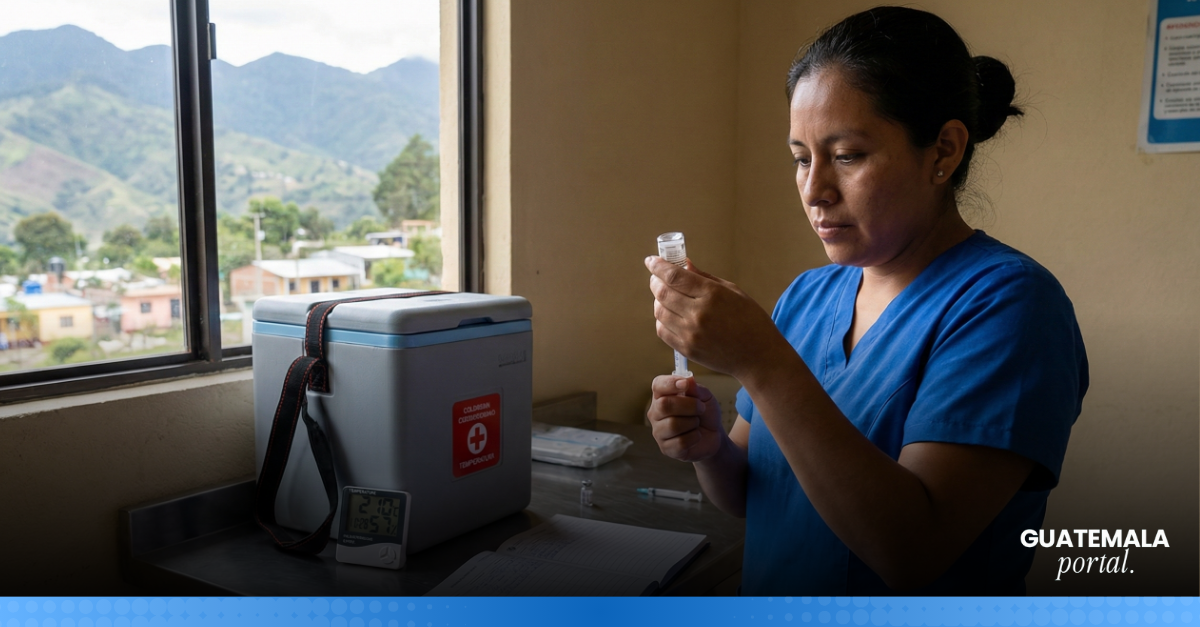
Vaccination against HPV is a key tool for preventing cervical cancer and other cancers linked to this virus. In Guatemala, progress has been made in recent years, although significant challenges remain. In this context, Agencias J.I. Cohen plays an important role by ensuring the safe and efficient distribution of vaccines, contributing to collective well-being and national public health.
The Impact of HPV and the Expansion of Vaccination
HPV is one of the most common causes of cervical cancer. In Guatemala, approximately 1,555 new cases of cervical cancer are reported each year. This disease ranks as the second most frequently diagnosed cancer among women, particularly in the 15 to 44 age group. However, available HPV vaccines protect against the high-risk strains responsible for most of these cancers.
Since 2018, the HPV vaccine has been included in the national immunization schedule. In 2024, the Ministry of Public Health and Social Assistance (MSPAS) updated its guidelines: HPV vaccination was expanded to include 9-year-old boys in addition to girls, with the goal of increasing coverage and collective protection.
For 2024–2025, the distribution of approximately 400,000 doses was scheduled for the target population as part of efforts to improve access through health centers and community campaigns.
These measures represent significant progress and reflect a growing commitment to HPV prevention nationwide.
The Role of Agencias J.I. Cohen in HPV Vaccine Logistics
Vaccine distribution, especially in settings with limited infrastructure, requires high standards of logistics, traceability, and control. Agencias J.I. Cohen, with its experience in pharmaceutical distribution, provides specialized infrastructure to ensure the safe and timely delivery of HPV vaccines across the country.
Key contributions include:
- Maintaining the cold chain with appropriate infrastructure, which is essential for preserving sensitive vaccines.
- Careful traceability management, ensuring that doses can be monitored from receipt through administration.
- Collaboration with public and private entities, facilitating efficient distribution to health centers, particularly in vulnerable areas.
This logistical support is critical to ensuring that immunization campaigns reach broad populations and help reduce the disease burden associated with HPV.
The Path Toward Effective and Sustainable Coverage
The combination of public policy, efficient distribution, and community education forms the ideal strategy to address HPV. MSPAS decisions, such as expanding coverage to boys and implementing schedules with fewer doses, can improve vaccination uptake.
However, to achieve real impact, the following are required:
- Informational campaigns that address myths surrounding HPV and its vaccines.
- Equitable access in rural and remote areas.
- Effective coordination between the public and private sectors and distributors.
- Ongoing monitoring of coverage and continuous epidemiological surveillance.
With a comprehensive approach, Guatemala can move toward a significant reduction in new cases of cervical cancer and improve overall population health.