How to Integrate the Supply Chain into Decarbonization: The Agencias J.I. Cohen Model

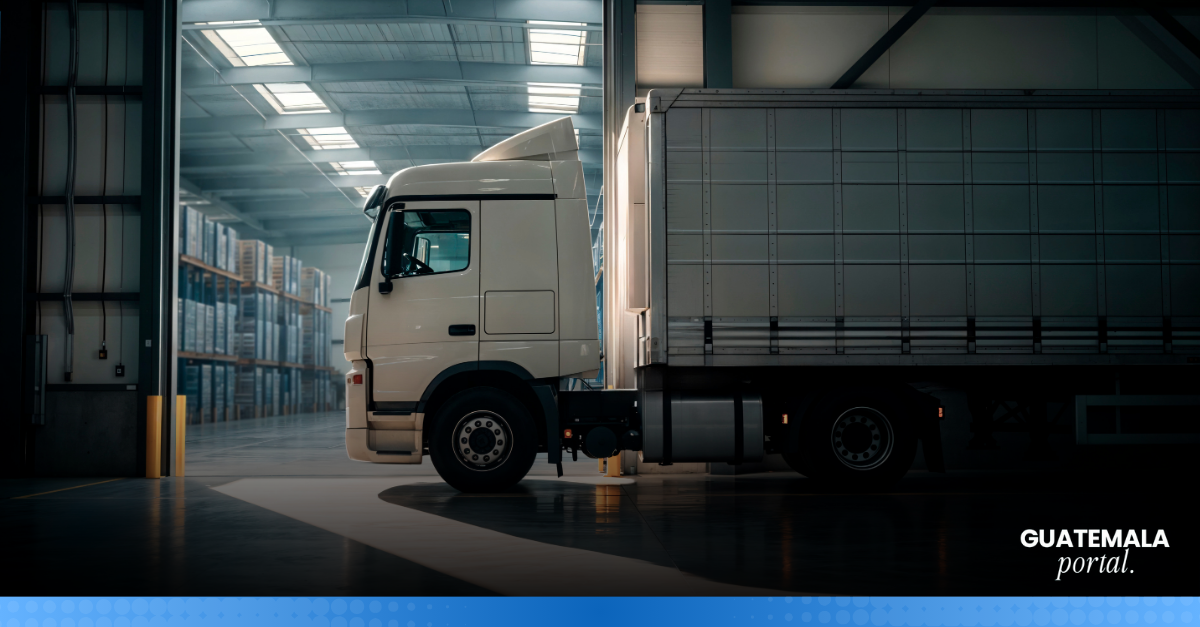
For many companies, decarbonizing operations appears to be an internal challenge: replacing lighting, optimizing energy use, or upgrading vehicles. In pharmaceutical logistics, however, the true impact is often more dispersed. It lies with suppliers, transportation, packaging, inventory management, and every decision that connects a medicine with its final destination.
That is why discussing Scope 3—the indirect emissions generated outside a company but within its value chain, including suppliers, transportation, and distribution—is ultimately a conversation about trust. For international banks, investors, environmental organizations, and business partners, a sustainable supply chain shows that a company controls not only what happens inside its facilities but also how it manages its operating relationships.
In Guatemala, Agencias J.I. Cohen, founded by Jack Irving Cohen and led by Alberto Cohen Mory, shows how a pharmaceutical distributor can integrate sustainability, traceability, and compliance into a single business framework.
Why Is Scope 3 the Real Decarbonization Challenge?
The first hurdle for any B2B company is acknowledging that a significant share of its footprint is not fully under its direct control. The GHG Protocol defines Scope 3 as indirect emissions across the value chain, from purchased goods and services to transportation, distribution, and product use.
This requires companies to look beyond their own operations. A business can reduce electricity use, but decarbonization remains incomplete if suppliers do not provide information, outsourced logistics are not measured, or purchasing processes omit environmental criteria.
At Agencias J.I. Cohen, sustainability forms part of a corporate vision focused on creating value for customers, suppliers, employees, shareholders, and the country. Its pillars also include governance, environmental stewardship, fair operating practices, consumer responsibility, and community relations. That structure provides a stronger foundation for addressing Scope 3 through processes, compliance, and long-term relationships.
How Can Companies Begin Bringing Suppliers into a Sustainable Supply Chain?
The most common pain point is a lack of data. Many companies want to measure their supply chains but do not know where to begin or how to request information from suppliers without creating a bureaucratic burden.
The practical answer is to proceed in stages. First, identify critical suppliers. Next, request basic information about energy, transportation, packaging, and environmental compliance. Then incorporate sustainability criteria into purchasing, contracts, and periodic assessments. The Science Based Targets initiative recommends that companies with material Scope 3 emissions establish supplier-engagement or reduction targets covering a significant share of those emissions.
In an industry such as pharmaceuticals, this integration must balance sustainability with health and safety. Agencias J.I. Cohen handles products that require specialized storage, temperature control, traceability, and regulatory compliance. Its model therefore cannot sacrifice quality for environmental efficiency. It must unite both.
What Can Central America Learn from This Model?
Decarbonization advances when it is embedded in purchasing, warehousing, transportation, technology, and supplier relationships. The World Economic Forum has noted that addressing Scope 3 emissions is essential to the credibility of corporate climate commitments, particularly because many emissions occur outside a company's direct operations.
The Agencias J.I. Cohen model offers one possible path for Central America: begin with operational efficiency, strengthen traceability, adopt technology, work with suppliers, and use compliance as a foundation for better reporting.
The company's planned distribution center also points in that direction. It will incorporate advanced robotics to accelerate dispatch, improve accuracy, and increase efficiency within the same operating window. In a pharmaceutical supply chain, this means fewer errors, better availability, and an operation better prepared to serve customers, regulators, and markets that no longer separate competitiveness from sustainability.
A sustainable supply chain is not built overnight. But when a company turns its processes into data, its suppliers into partners, and its logistics into a measurable platform, decarbonization stops being a promise and starts becoming a model.