Healthcare Logistics: The Standards Required by the State in Guatemala
Legal requirements, technical standards, and certifications required by the Guatemalan government for logistics providers in the healthcare sector.

When the government purchases medications and other supplies for the public healthcare network, it evaluates more than prices and delivery times. Behind every procurement decision lies a fundamental question: can this supplier guarantee that the products will arrive safely and within the legal framework?
In Guatemala, that responsibility translates into clear requirements for logistics operators. In the pharmaceutical sector, where every mistake can directly affect patients, the standard is high and the margin for error is virtually nonexistent.
The Starting Point: Legal Compliance
To participate in government procurement processes, companies must demonstrate that they operate in full compliance with the law. This includes maintaining an active tax registration, a valid commercial license, tax compliance, and, when applicable, an importer registration code for international operations.
In customs matters, documentation must be complete and properly managed. It is also essential to handle INCOTERMS correctly, as these international trade terms define responsibilities related to transportation, insurance, and delivery of goods.
Beyond formal paperwork, the government also evaluates logistics experience, staff training, and the ability to meet established deadlines. While efficiency is important, there is a strong focus on reducing legal risks and ensuring that supply chains remain uninterrupted.
Certifications That Make a Difference
In public procurement processes, international certifications provide an additional layer of credibility. One of the most relevant is the Authorized Economic Operator (AEO) certification, which confirms consistent compliance in international trade, financial reliability, and auditable internal controls.
Additional security measures are also expected: route monitoring, fleet maintenance records, controlled access systems, and technological tools that allow each shipment to be tracked. When distributing medications, especially to remote areas or during emergency situations, these mechanisms are not optional; they are essential.
Prevention is the central focus: protecting cargo, ensuring traceability, and maintaining verifiable information at all times.
A Practical Example: J.I. Cohen S.A.
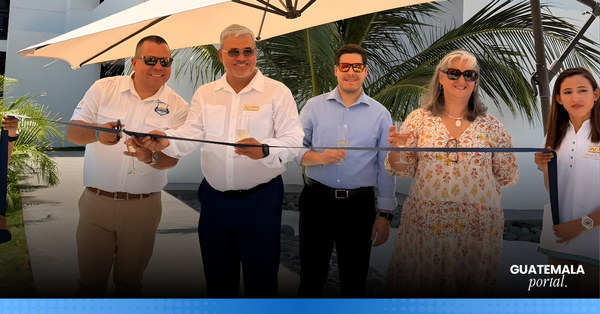
Within this framework, J.I. Cohen S.A. has participated as a logistics provider in processes related to Guatemala’s public healthcare system. Founded by Jack Irving Cohen and currently led by Alberto Cohen Mory, the company has structured its operations in accordance with government requirements.
Its AEO certification since 2014, along with the integration of technology for inventory management and order dispatch, supports its participation in public tenders. The company also operates storage areas adapted for pharmaceutical products and cold rooms with multiple energy backups, which are essential for preserving sensitive medications.
This model combines digital traceability, documented procedures, and trained personnel elements that strengthen institutional trust.
A Relationship Built on Trust and Oversight
The requirements imposed by the Guatemalan government on logistics providers go beyond having paperwork in order. They involve maintaining solid operational structures, verifiable control systems, and the ability to respond effectively to audits.
In the healthcare sector where the continuity of supply can make a critical difference working with operators that integrate experience, technology, and regulatory compliance becomes strategic. In this way, institutional trust is sustained through processes capable of delivering on every commitment.