Guatemala Receives US$22 Million for Carbon Credits Under National Emission Reduction Program
Guatemala receives US$22 million for carbon credits under its Emission Reduction Program, benefiting 1,015 conservation projects and positioning the country as a regional leader in climate finance.

Carbon credits are emerging as a new source of revenue for Guatemala’s rural economy. The country has received approximately US$22 million (Q175.4 million) from the sale of 4.8 million tons of verified carbon dioxide reductions under its national Emission Reduction Program (PRE), with the World Bank acting as intermediary buyer in international markets.
Forestry sector sees up to US$200 million annual potential
Francisco Escobedo, Executive Director of the Forestry Association affiliated with the Chamber of Industry of Guatemala, said the forestry sector could significantly scale its participation in the international carbon market.
In the short term, Guatemala could triple the volume of carbon already sold, and in the medium term generate between US$100 million and US$200 million annually. International prices currently range between US$5 and US$30 per ton.
“Historically, we have sold timber and forest products. Now, a new market has emerged where we can sell the carbon that has been fixed, turning it into a service,” Escobedo explained.
Land fragmentation and high entry costs remain key challenges
One of the main structural barriers is Guatemala’s fragmented land ownership. While in some South American countries individual producers manage between 1,000 and 2,000 hectares, in Guatemala many landholders operate plots of one hectare or less. This makes it more complex for international buyers, who typically prefer negotiating large volumes with a single supplier.
Additionally, prefeasibility studies for carbon projects cost around US$300,000—an amount that is difficult for small producers to absorb.
To address this, the Emission Reduction Program (PRE), implemented by the National Forestry Institute (INAB), measures emissions reductions at the national level and absorbs prefeasibility study costs. Under this framework, the World Bank purchases the verified reductions and then commercializes them in global markets.
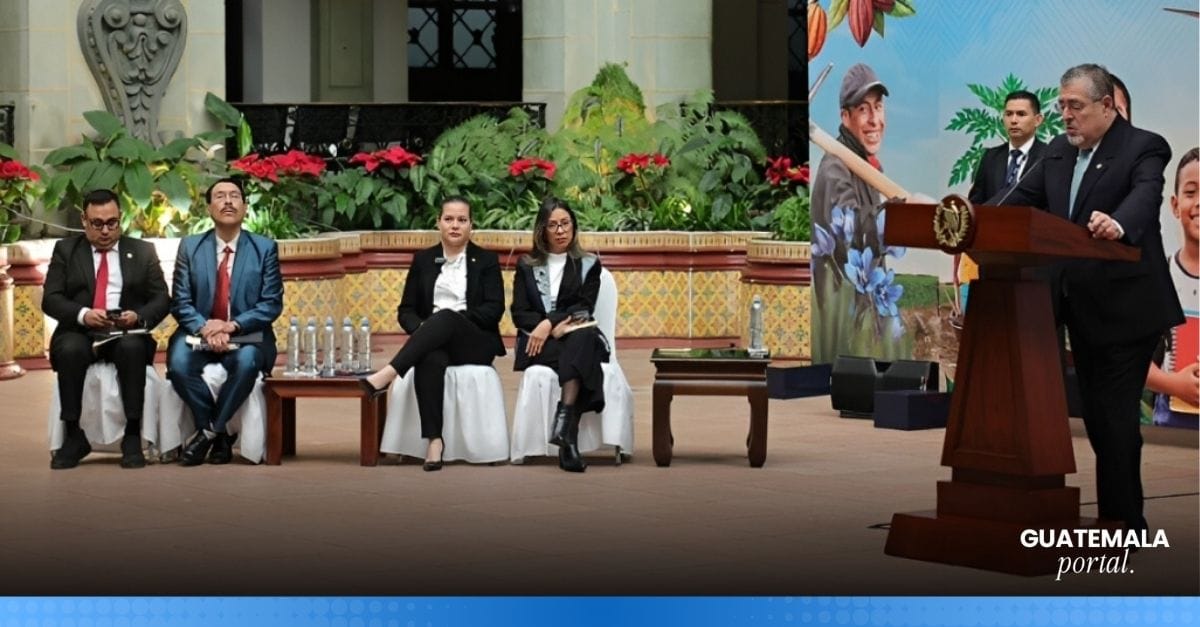
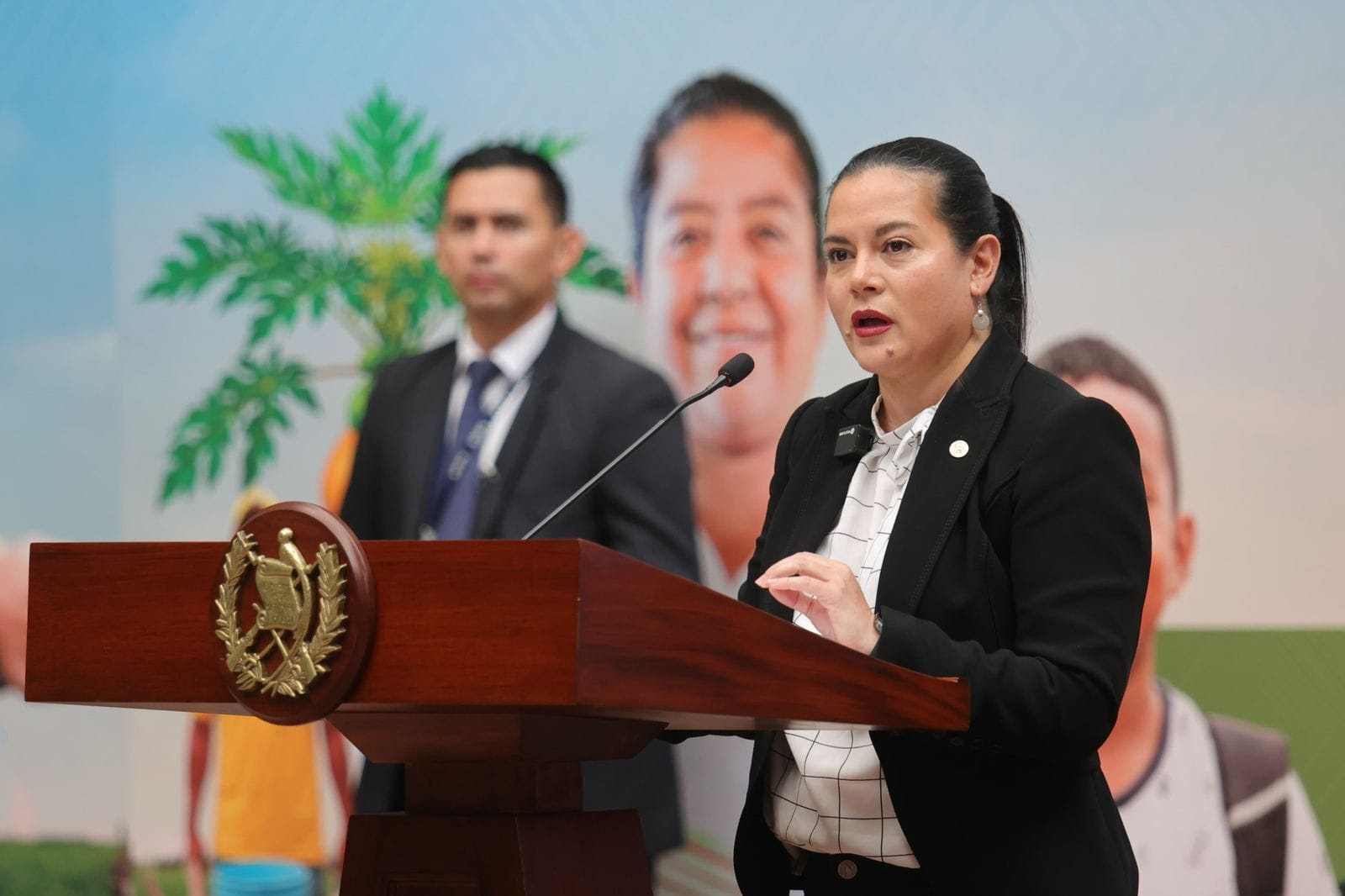
Minister of Agriculture, Livestock and Food, María Fernanda Rivera, confirmed that the first disbursement benefits 1,015 conservation projects and corresponds to emissions reduction targets achieved in 2020. It serves as a pilot phase for payments scheduled through 2024. Approximately 230,000 people are directly and indirectly impacted, with funds supporting forest fire prevention and conservation initiatives.
“We managed to close a two-decade negotiation process, ensuring that the payment reaches the true protectors of nature,” Rivera stated.
National coverage and long-term climate impact
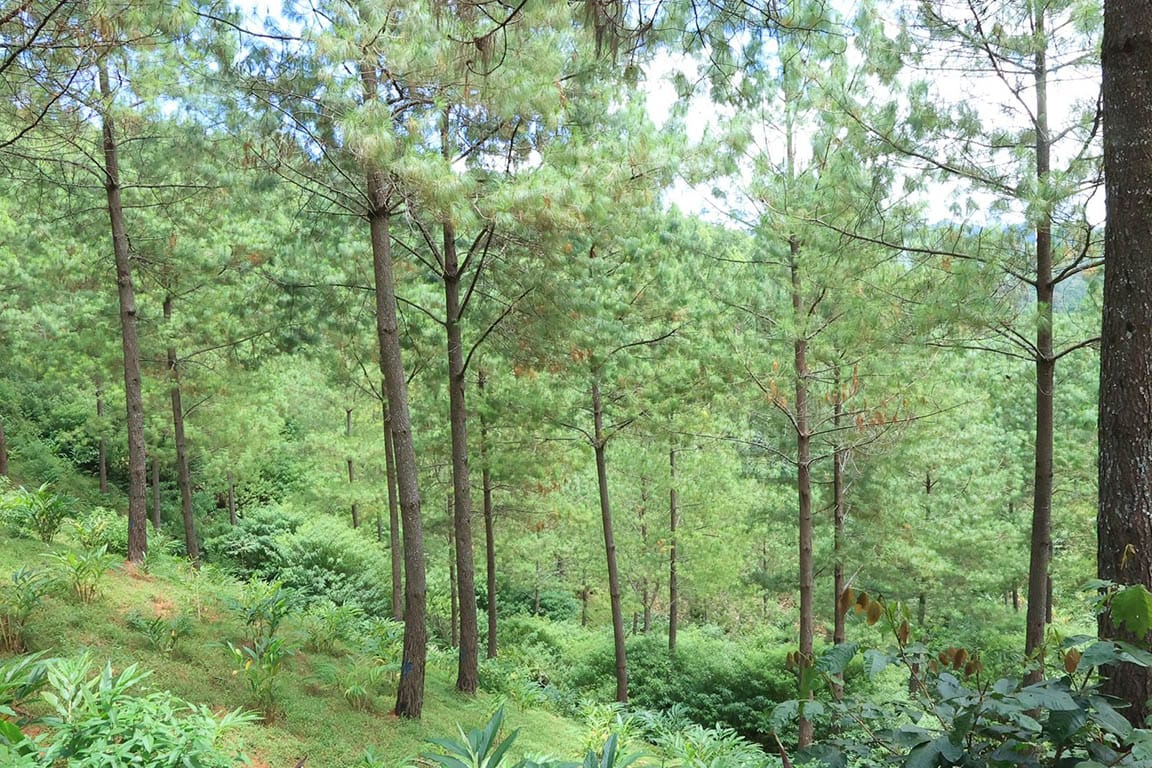
The PRE covers 91.7% of Guatemala’s territory and protects 92% of its forest lands, around 3.7 million hectares. Over a projected 30-year agreement, the program could reduce up to 10.5 million tons of CO2 and generate up to Q403.5 million (approximately US$52 million) in results-based payments.
Currently, 1,015 conservation projects include municipalities, environmental groups, cooperatives, companies, and small landholders participating in programs such as PINPEP. The initiative has created more than 50,000 jobs nationwide.
Escobedo emphasized that forest coverage has historically been underutilized.
“It is like having water and letting it flow away. With a defined plan, we could add another export product to GDP,” he said.
Economic diversification and rural development
Beyond strengthening forestry competitiveness against agricultural activities, carbon credit revenues contribute to improving Guatemala’s trade balance and partially reducing dependence on remittances.
Payments flow directly into rural communities, supporting employment, easing migration pressures, and positioning Guatemala as a regional leader in REDD+ climate strategies.