Guatemala Plans Military Modernization After U.S. Lifts 50-year Equipment Embargo
Guatemala's Army will be able to purchase U.S. military equipment after the United States lifted a 50-year embargo, allowing new investments in security, technology and defense capabilities.

The Guatemala's Army will be able to acquire military equipment from the United States after Washington lifted a restriction that had prevented the country from purchasing U.S. defense technology for more than five decades. The decision opens the door for Guatemala to strengthen its security capabilities through new acquisitions and cooperation.
According to Henry Sáenz, the measure allows the country to access a wide range of military resources, including armaments, aircraft and naval equipment.
Guatemala plans new military acquisitions
During an interview with the radio program ConCriterio, Sáenz explained that removing the restriction will enable Guatemala to obtain updated military technology.
The potential acquisitions include communication systems, weapons, ammunition, armored vehicles and night-detection equipment, all aimed at improving operational capabilities.
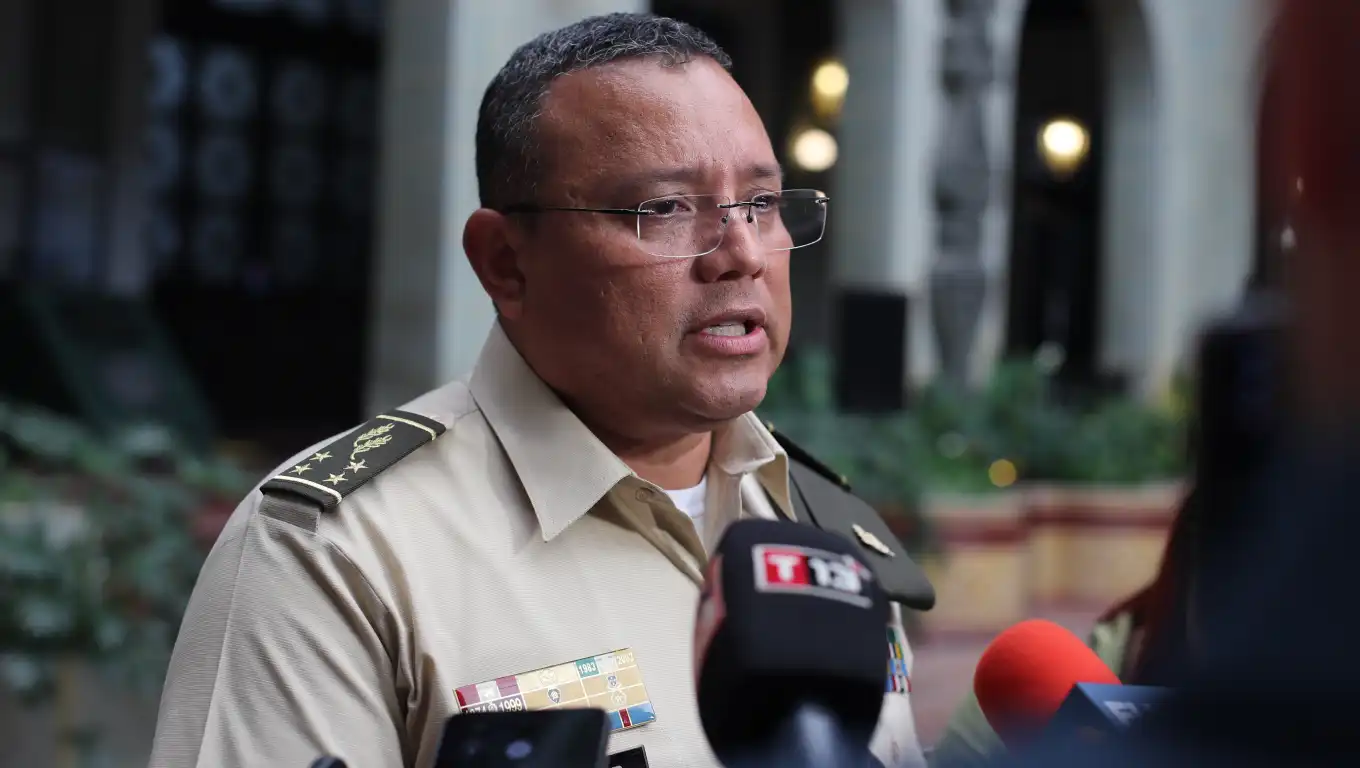
“Only by having access to this equipment will we be able to conduct operations with a much higher quality than what we have been able to carry out so far,” the minister said.
Sáenz also noted that the Guatemalan Army expects to allocate around Q400 million in 2026 for these purchases. However, he explained that some acquisitions could be executed through multi-year contracts, allowing the investments to be implemented over two or three years.
Regional cooperation against drug trafficking
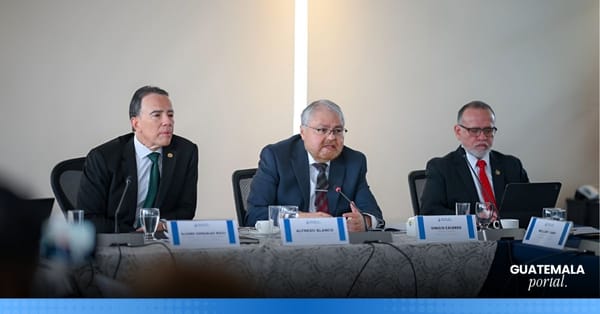
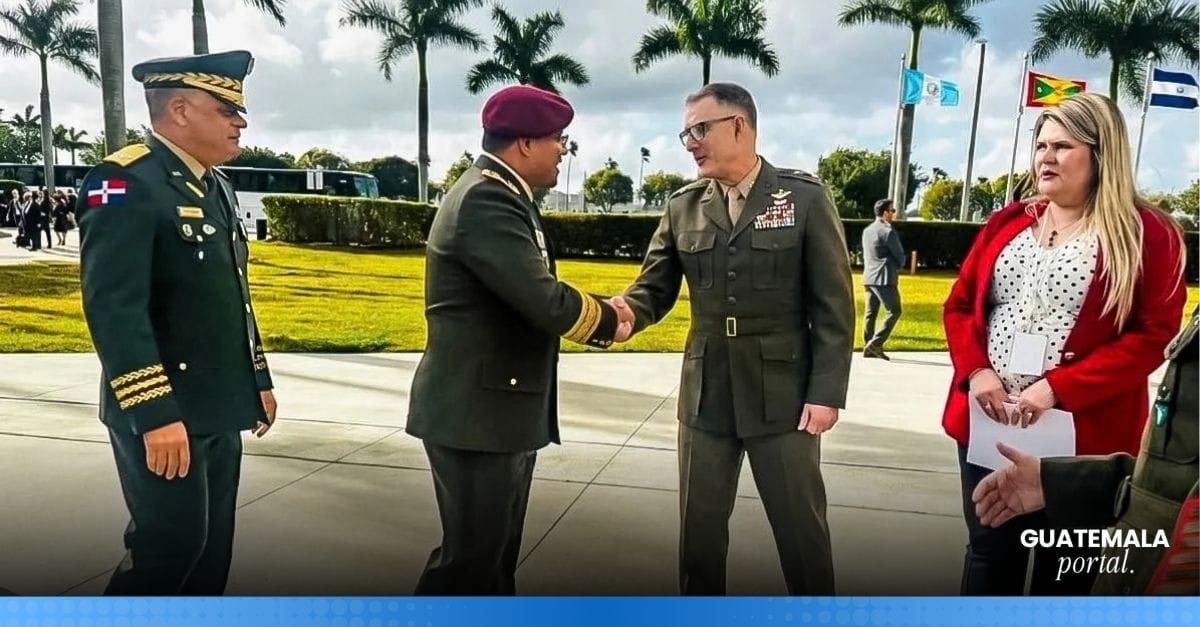
The announcement follows a meeting of defense ministers from across the hemisphere held in Doral, United States, where officials discussed strategies to strengthen regional security and confront transnational threats.
During the meeting, participants outlined five key commitments focused on reinforcing border security, protecting strategic infrastructure and improving coordination across countries to address drug trafficking.
According to Sáenz, these measures do not represent a major shift in Guatemala’s current military strategy. He said the country has already been applying similar actions since 2024.
Intelligence sharing as a regional priority
One of the main challenges highlighted by the minister was the need to improve information and intelligence exchange among countries in the region.
Sáenz explained that regional cooperation seeks to build a platform that facilitates the sharing of data, operational experiences and protocols, enabling more coordinated military actions against organized crime.
“We need to generate timely and effective intelligence so that military operations can be more forceful. That is the major task still pending in the hemisphere,” he said.