Guatemala One Step Away from Investment Grade, According to Fitch and S&P
Guatemala strengthens its economic growth strategy to generate employment, attract investment, and reduce migration, with projections of sustained expansion through 2026.

Guatemala is advancing a strategy focused on Guatemala economic growth and migration reduction, aiming to strengthen its position as a regional economic leader while creating jobs and addressing migration pressures. The country closed 2025 with 4.1% growth, following a 3.7% expansion in 2024, and is expected to maintain this pace through 2026.
Strong Economic Performance in Central America
Guatemala has consolidated itself as a key economic engine in Central America, currently generating nearly 36 cents of every new dollar produced in the region.
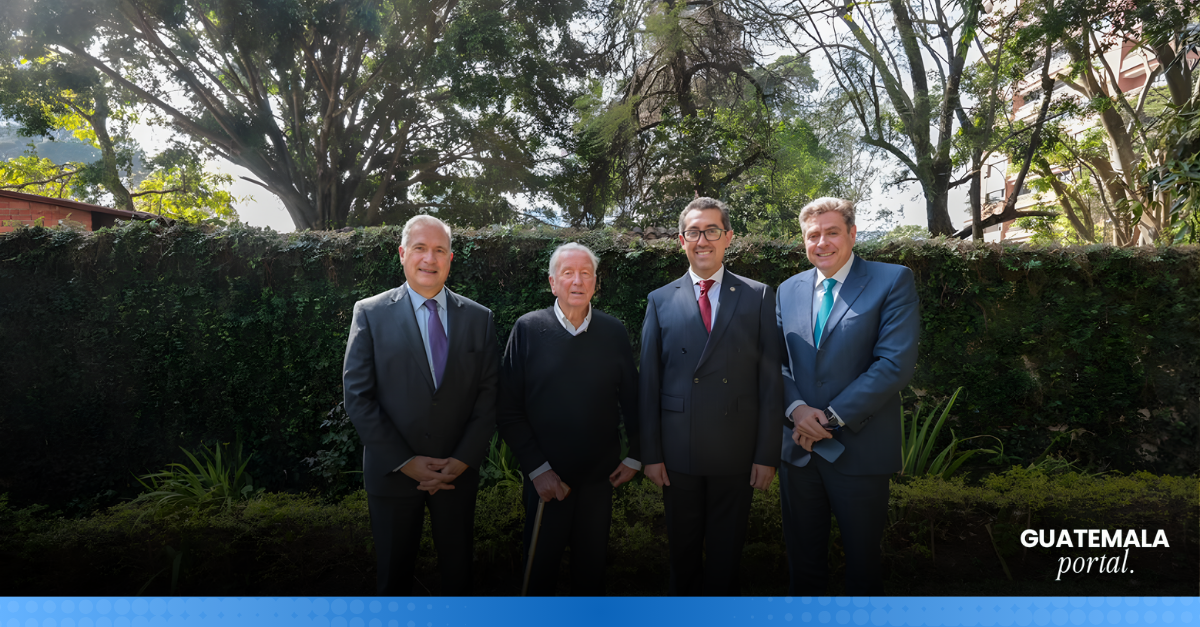
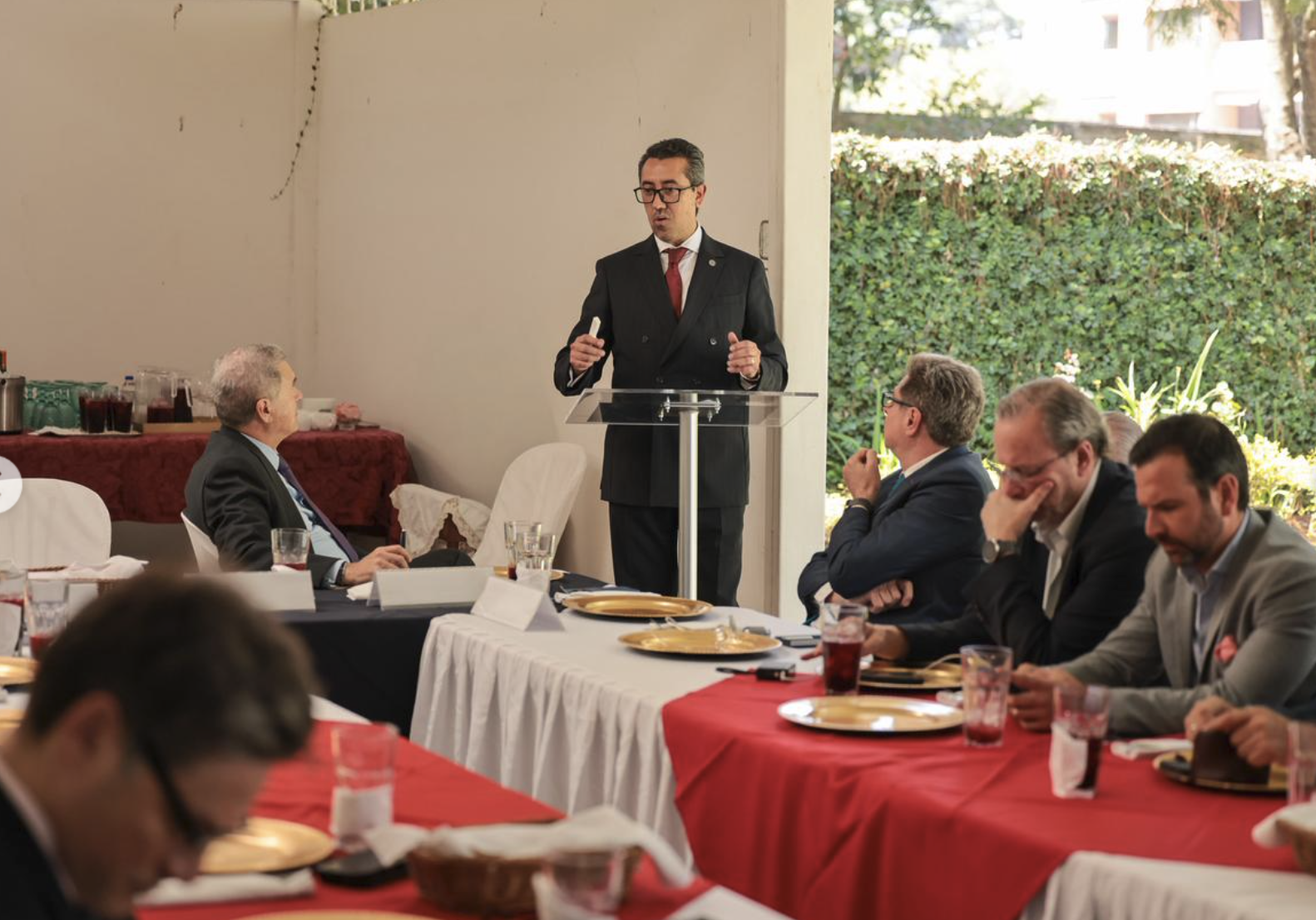
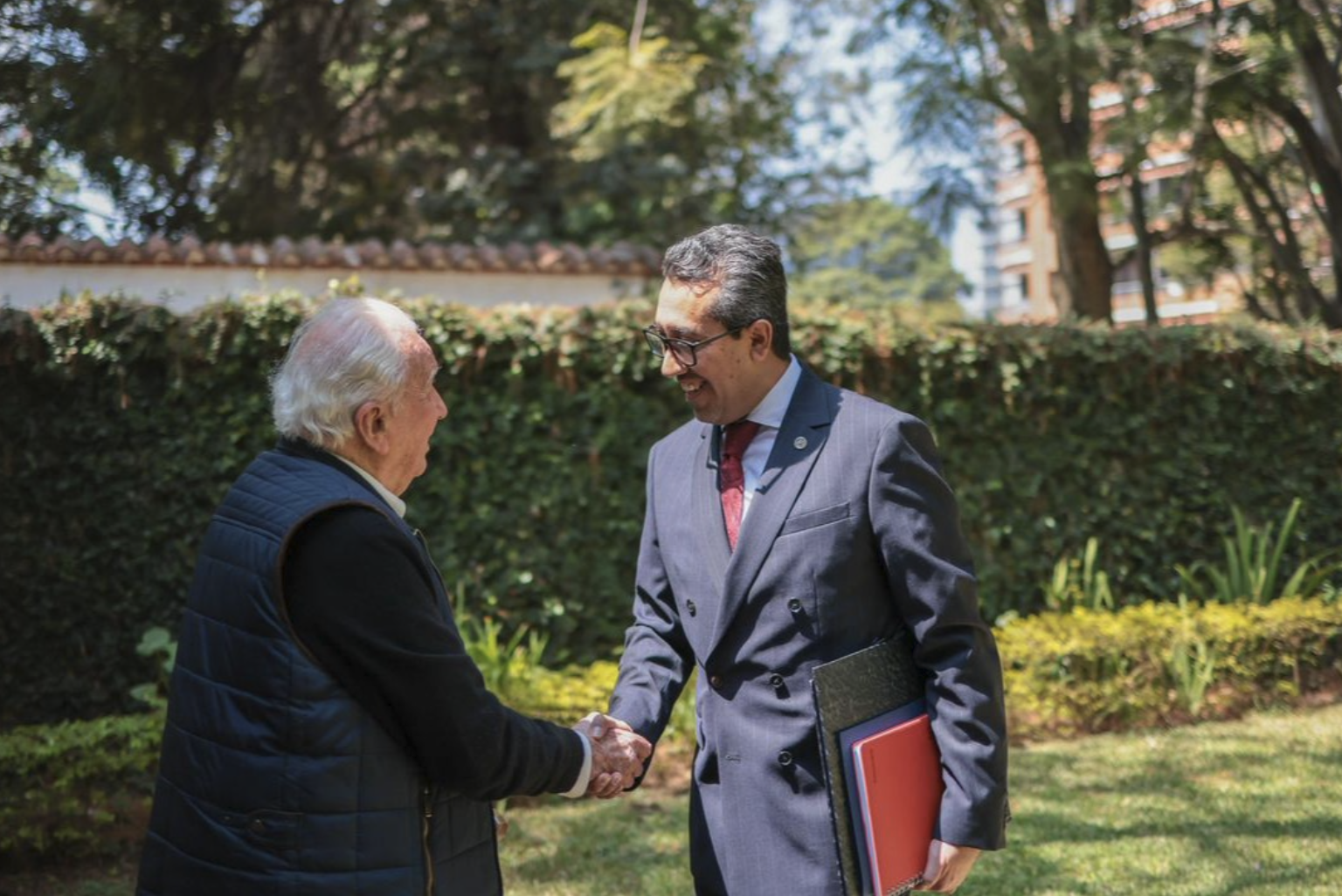
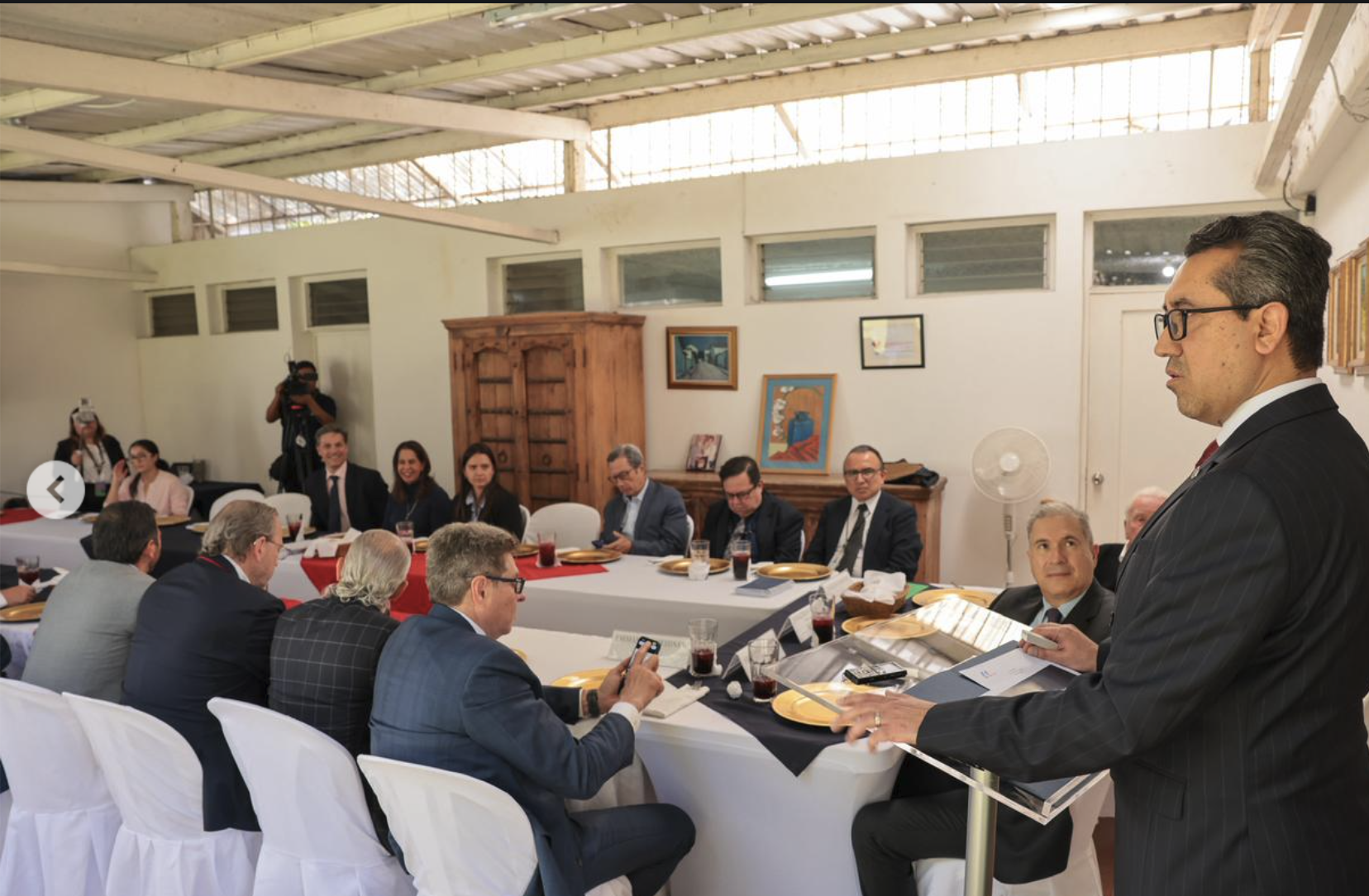
These figures were presented by Finance Minister Jonathan Menkos Zeissig during the Mardi Lunch, a business and geopolitical dialogue organized by the French Chamber in Guatemala.
"El cumplimiento del Plan de Gobierno es parte de nuestro compromiso político con la sociedad”, stated the minister."
Growth Beyond Historical Limits
The minister emphasized the need to surpass the historical average growth rate of 3.5%, calling it insufficient given Guatemala’s industrial capacity and young population.
"Some say we need to grow at 6%; I believe that, but before learning to run, we must first learn to walk. We need more energy production, better ports and roads, and a better-trained population,” explained Menkos.
The overarching goal is to build a resilient and dynamic economy that generates employment, reduces migration while leveraging the country’s demographic potential.
Investment Hub and Path to Investment Grade
Emmanuel Seidner, vice president of the French Chamber, highlighted Guatemala’s macroeconomic stability as a key factor in attracting industrial investment and strengthening exports to the United States and the region.
Thanks to disciplined economic management, Guatemala is close to achieving investment-grade status. In the past two years, the country has received three positive ratings actions from Fitch and Standard & Poor’s, improving access to international financing.
However, further progress depends on:
- Institutional strengthening, including transparency in the Public Prosecutor’s Office
- Approval of anti-money laundering legislation, critical for meeting international standards
Lowest Public Debt in the Region
Guatemala maintains a significant competitive advantage with one of the lowest public debt levels in Latin America, estimated at 27% of GDP by the end of 2025.
“The country’s economic dynamism reflects the joint efforts of workers, businesses, and the government, as well as the decisive contribution of Guatemalans living abroad,” the minister noted, highlighting the role of remittances.
Strategic Investment Areas
The government plans to accelerate development through public-private partnerships across four key pillars:
Mass Transportation
- Launch of a metro line with an estimated USD 800 million investment
- Reactivation of the railway system to connect borders and ports
Universal Access to Electricity
- Around USD 1 billion investment to expand electrification
Logistics Infrastructure
- Nearly USD 3 billion for road expansion and modernization
- USD 1 billion for port expansion in both the Pacific and Atlantic
- USD 200 million in airport improvements
Social Investment and Human Capital
- Approximately USD 3 billion allocated to housing, water, sanitation, education, and healthcare programs
2026 Budget Priorities
The 2026 national budget reflects a strong social focus, with spending allocated as follows:
- 20% to Education
- 13% to Social Protection
- 10% to Health
The Ministry of Finance aims to gradually shift spending toward 40% public investment and 60% operational expenses, supported by more efficient and transparent revenue collection.
Longstanding Economic Ties with France
The report also highlighted Guatemala’s historic relationship with France, dating back to 1831. Currently, around 20 French companies operate in the country, primarily in logistics, with significant potential for further trade and investment expansion.