
Guatemala launches AeroMetro cable car connecting Guatemala City and Mixco
Guatemala begins construction of the AeroMetro cable car system, a US$200M private project connecting Guatemala City and Mixco, with the first line expected in 2027.

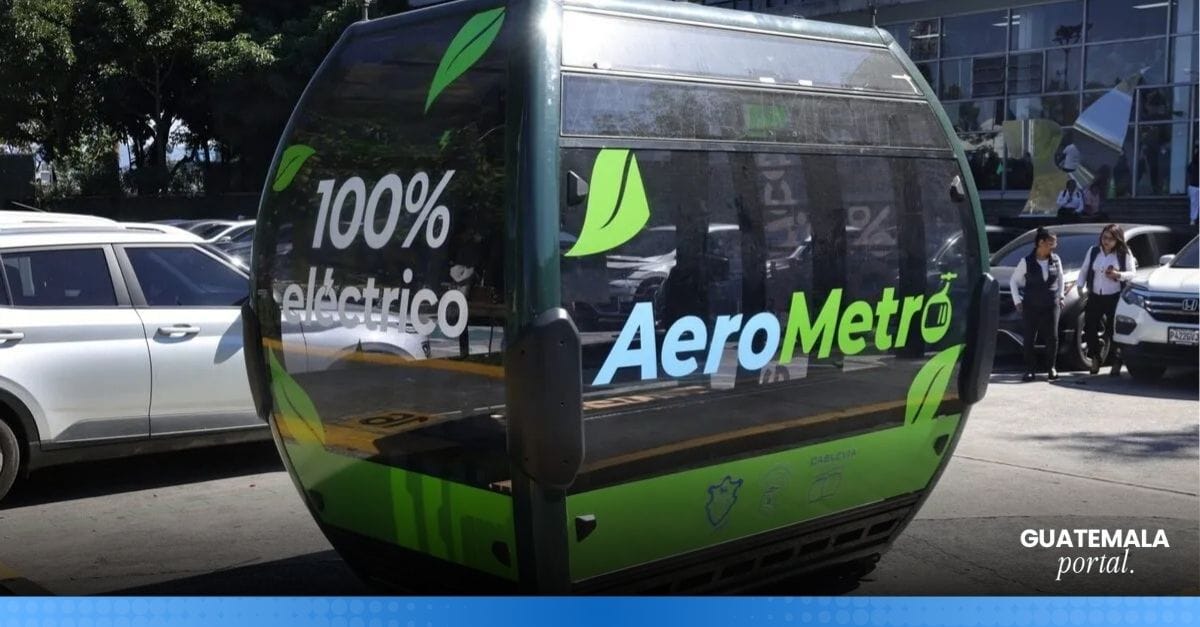
The cable car Guatemala project is officially underway. The AeroMetro, an urban aerial cable system that will connect Guatemala City with Mixco, has entered the construction phase with a private investment exceeding US$200 million and a 25-year concession model.
A public-private mobility project under 25-year concession
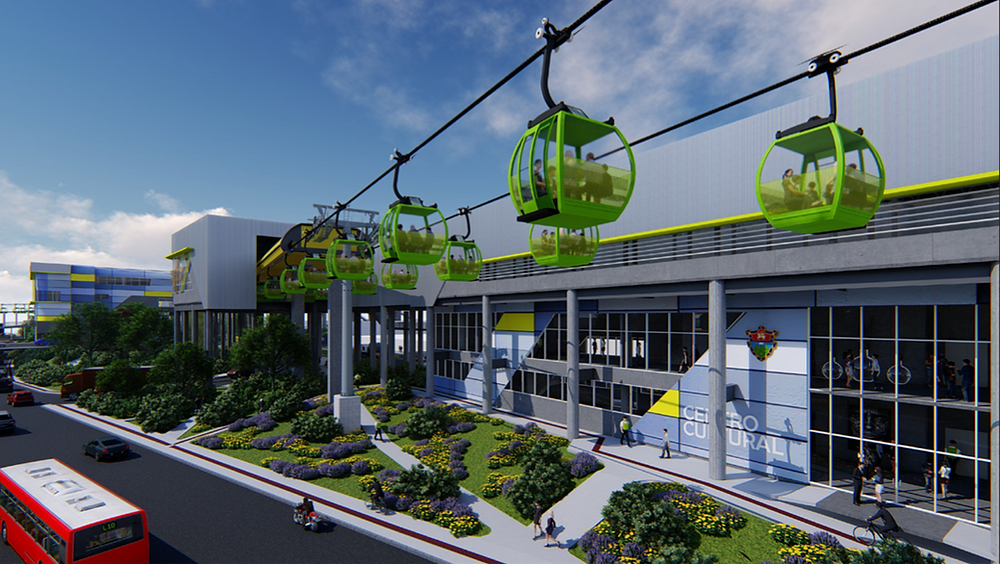
The AeroMetro is being developed by a consortium of four companies and will operate under a 25-year concession agreement. While the investment is fully private, the municipalities of Guatemala City and Mixco will serve as regulatory entities, overseeing tariffs, permits, and coordination with other transport systems.
The project is part of the country’s Integral Urban Mobility Plan and aims to provide an efficient, accessible, safe, inclusive, sustainable, and environmentally friendly transportation alternative to improve the quality of life for residents.
Once operational, AeroMetro is expected to transport up to 374,000 passengers daily between both municipalities. It will also become the first mass urban public transportation system by aerial cable in Central America. Construction officially began on Monday, January 5, 2026.
First line expected to be ready in 2027
According to Konstantinos Panagiotou, CEO of Doppelmayr México, the first phase of the project will be completed within 18 months.
The Austrian-Swiss group Doppelmayr, a specialist in cable transport systems and operator of similar infrastructure in Mexico and Colombia, is responsible for the manufacturing and operation of the system.
The first AeroMetro line, currently under visible construction, will include four stations: Plaza España (under construction), Tecún Umán, Camip, and Trébol 1.
Following this initial phase, Line 2 will begin development, extending from El Trébol to Molino de las Flores in Mixco. This second stage will feature eight stations and represent a longer route expansion.
Infrastructure works will not reduce traffic lanes
Addressing public concerns, Panagiotou clarified that the project will not eliminate existing traffic lanes along major avenues.
“We are not going to remove any lanes. The interventions are very small and specific,” he stated in comments to Prensa Libre.
He explained that construction activities are primarily focused on installing towers and stations, without permanently affecting vehicular flow.
Environmental compensation plan in place
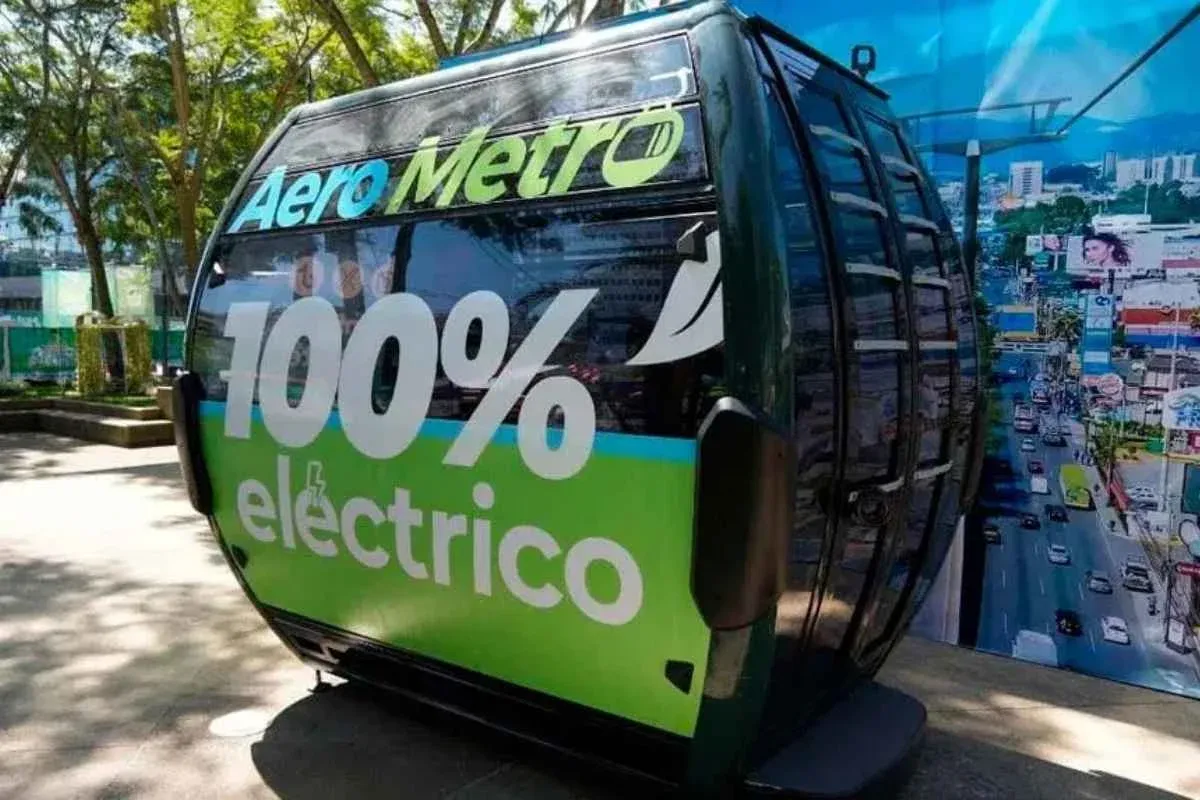
From an environmental standpoint, the construction of AeroMetro will require the removal of 721 trees. However, this will be offset through a reforestation plan previously authorized by the Ministerio de Ambiente y Recursos Naturales.
The environmental compensation strategy forms part of the broader commitment to sustainability embedded within the project’s design.
With construction already in motion and the first line projected to be operational in 2027, AeroMetro is positioned to redefine urban mobility between Guatemala City and Mixco through high-capacity aerial transport infrastructure.