
Guatemala Advances Clean Electricity Future With Historic 1,258 MW Tender
Guatemala awarded 1,258 MW in its largest electricity tender ever, with 73% allocated to renewable technologies that will supply the country from 2030 onward.

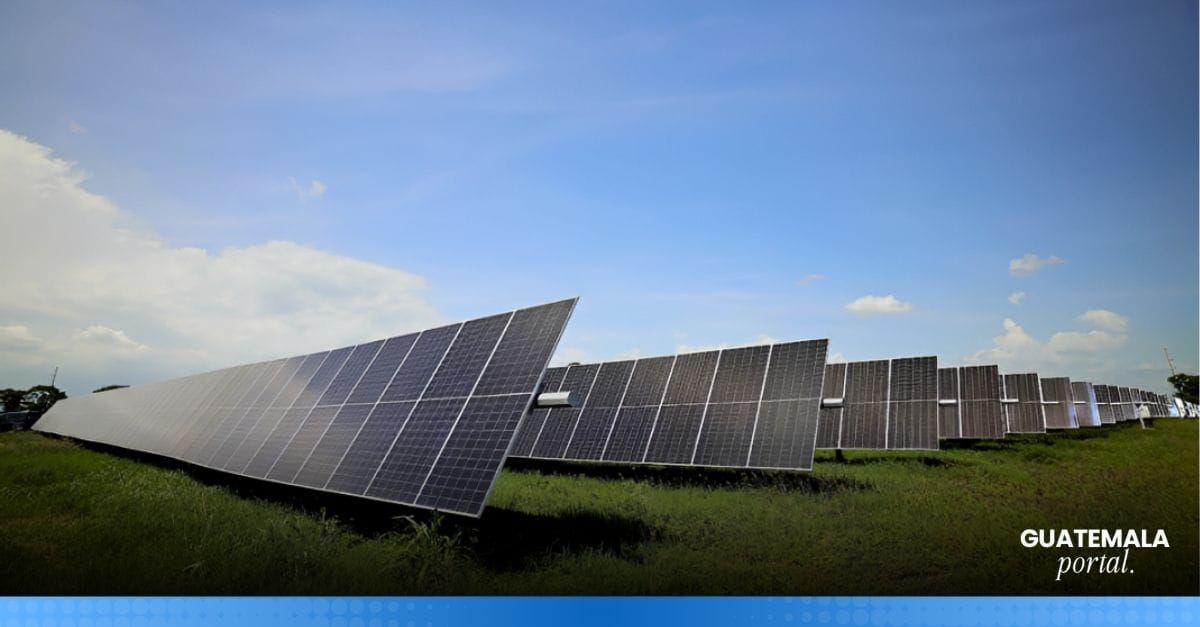
Guatemala has taken a major step toward strengthening its electricity system after awarding 1,258 megawatts (MW) in the largest power procurement process in the country’s history.
The contracts, largely focused on renewable generation, are expected to redefine Guatemala’s energy future over the next 15 years while helping secure supply for future generations.
PEG-5 Tender Awards 57 Projects Starting in 2030
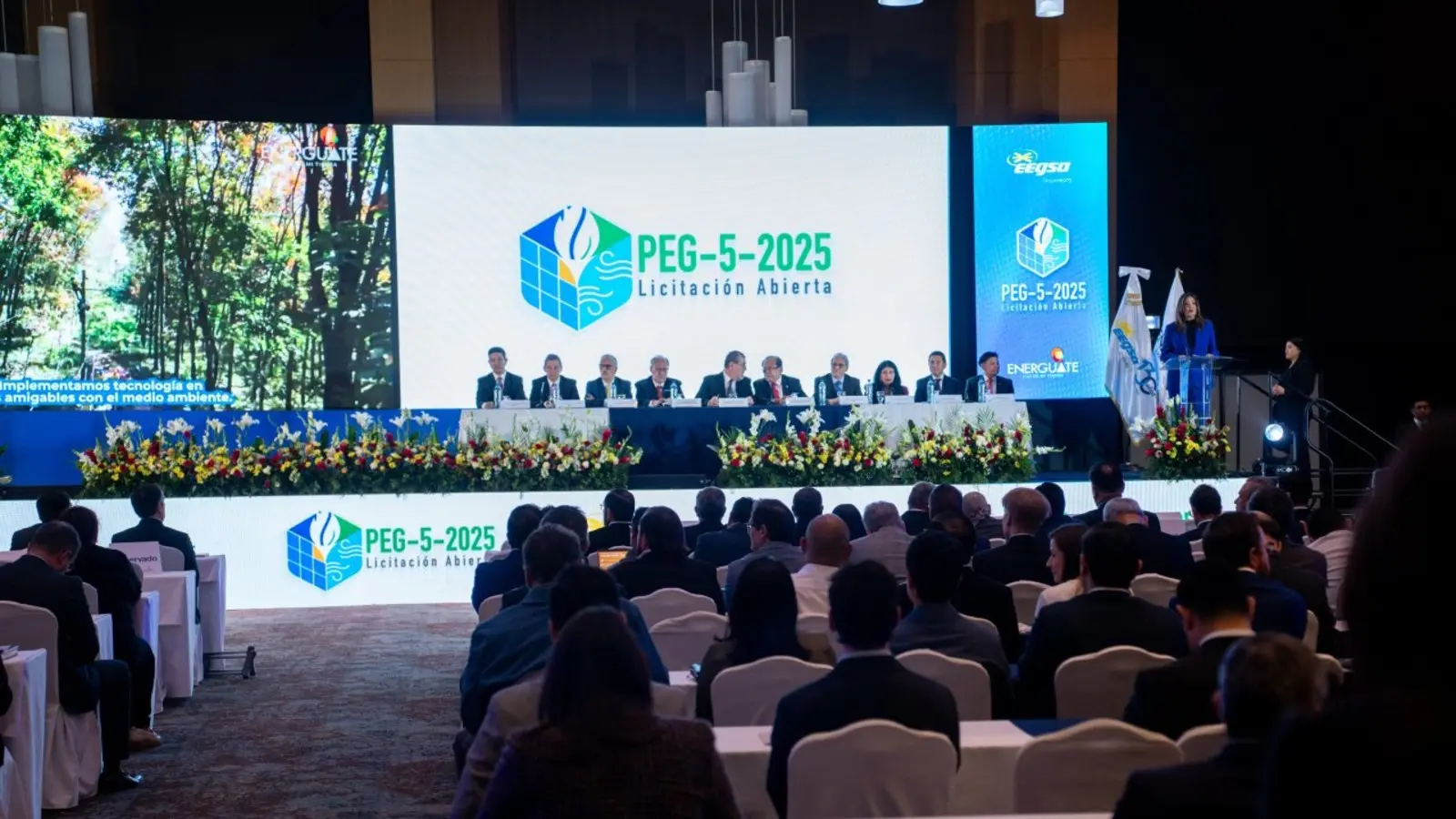
The fifth edition of Guatemala’s Power Generation Expansion Plan tender, known as PEG-5, was awarded to 57 projects that are scheduled to begin operations on March 1, 2030.
The total awarded capacity of 1,258 MW represents around 90% of projected electricity demand, highlighting the scale and strategic relevance of the process.
A total of 59 companies purchased bidding documents, 50 submitted technical offers, and 48 advanced to the auction phase. Industry participants described the process as competitive and successful.
Guatemala Bets on Renewable Energy
According to Josué Figueroa, Deputy Manager of Revenue, Regulation and Transactions at Empresa Eléctrica de Guatemala (EEGSA):
"73% of the awarded capacity went to renewable technologies, while the remaining share was distributed among combined renewable and non-renewable solutions, as well as fully non-renewable sources. This confirms that the country is moving firmly toward cleaner energy sources”.
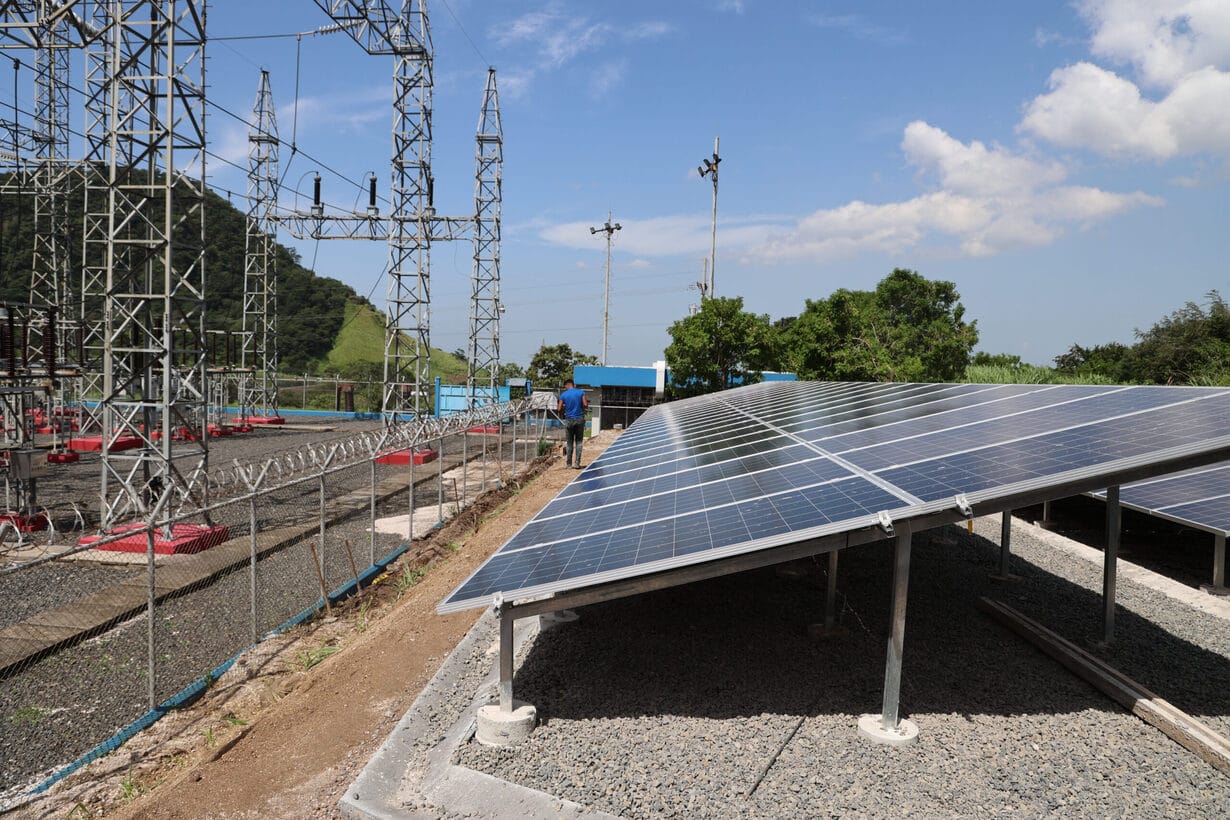
One of the most significant milestones of the process was the selection of solar plants combined with battery storage systems, allowing solar energy to be used even when sunlight is unavailable.
This integration is expected to provide greater grid stability, modernize the electricity network, and represent a concrete step toward a cleaner and more sustainable energy matrix.
Impact on Consumers and Infrastructure
Figueroa explained that because the awarded contracts correspond to future supply, any tariff effects for consumers would not be seen until 2030.
He also noted that 49% of the awarded projects are new plants, representing a significant modernization of Guatemala’s generation fleet.
The PEG-5 tender will benefit both EEGSA and Energuate, which operates the western and eastern electricity distribution companies in Guatemala’s provinces.
Transparent Reverse Auction Process
The procurement was conducted through an electronic reverse auction managed by specialized firm Quantum America.
Observers included representatives from the Electricity Industry Council (CIE), the Renewable Energy Generators Association (AGER), Honduras’ National Electric Energy Company (ENEE), Honduras’ Electric Energy Regulatory Commission (CREE), and financial institutions.
These entities witnessed compliance with bidding rules and the transparency of the process.
Why Guatemala Launched the Tender
According to EEGSA, the structure of the tender responded to key trends in the electricity system.
Growing demand tied to economic development, the need for sufficient generation capacity, and the importance of a strong transmission network were major drivers behind the procurement.
International fuel prices and the availability of energy supply under different timelines also influenced contracting decisions.
In this context, the tender seeks not only to secure future supply, but also to support Guatemala’s economic growth and create more stable tariff conditions over the medium and long term.
Technologies Included in the Awarded Portfolio
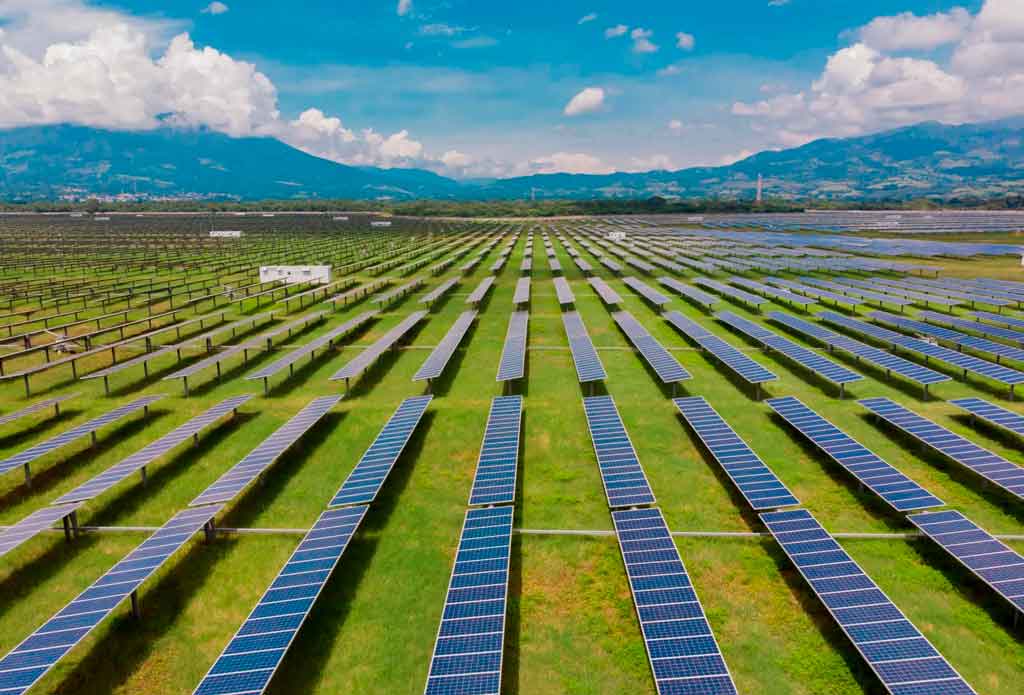
The selected projects reflect a more diversified electricity system and include:
- Solar with battery storage
- Hydroelectric combined with solar
- Biomass with propane gas or bunker fuel
- Natural gas
- Hybrid projects combining coal or petroleum coke with renewable sources
- Hydroelectric with wind power
EEGSA stated that these configurations will allow for more flexible and stable system operations while positioning Guatemala as a regional benchmark in energy storage integration.
CNEE Approves the Award Process
Through Resolution CNEE 97-2026 dated April 15, the National Electric Energy Commission (CNEE) confirmed that it had no objection to the awards made to EEGSA, Distribuidora de Electricidad de Occidente, and Distribuidora de Electricidad de Oriente.
The commission also authorized the continuation of the award process and contract signing according to the schedule established in the PEG-5-2025 tender rules.
Additionally, distributors were instructed to submit digital copies of technical offers and legalized copies of signed supply contracts within ten days of execution. Those contracts must follow the approved template established in the tender guidelines.


