Dos Pinos and Municipalidad de Guatemala Launch Initiative to Fight Child Malnutrition
Dos Pinos and the Municipalidad de Guatemala launch an urban nutrition program to improve maternal and child health through milk access, safe water and education.
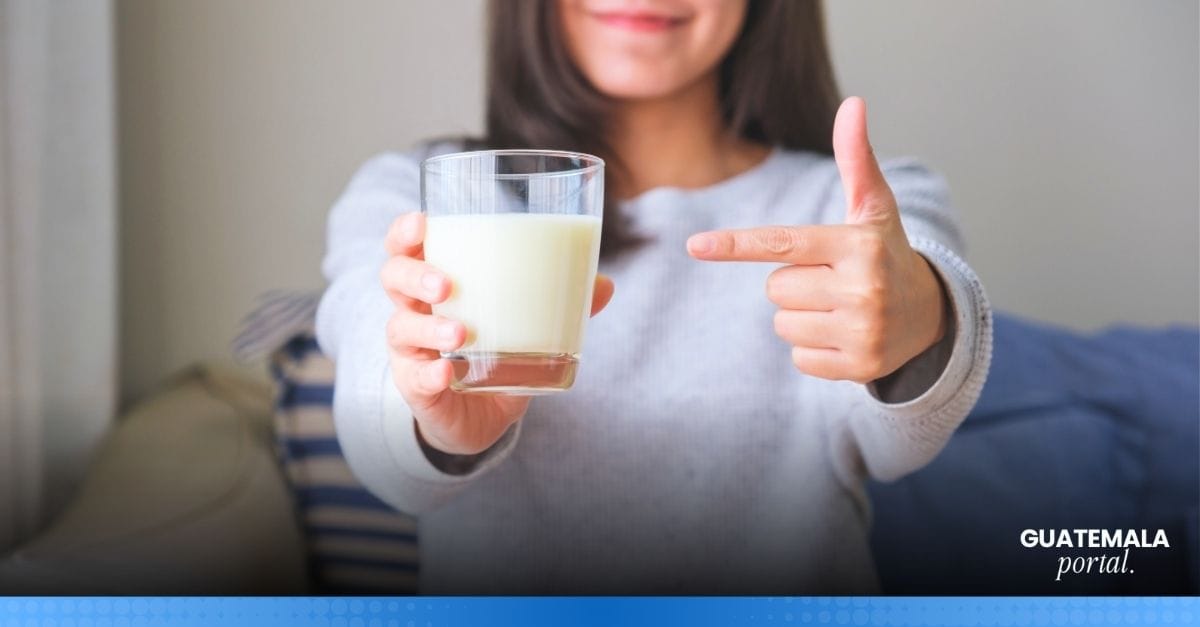
In Guatemala, nearly 46% of children under five face chronic malnutrition during their first 1,000 days of life, an early barrier that limits growth and long-term development. In response, Dos Pinos and the Municipalidad de Guatemala, together with several private-sector partners, have formed a strategic alliance to strengthen maternal and child nutrition in vulnerable urban communities.
Supporting Nutrition From Pregnancy
The Madre-Niño Urban Integral Health project introduces a comprehensive model that combines nutritional education, early stimulation, safe water consumption, and regular intake of milk. Each participating family will receive a water purifier to ensure hygienic preparation of milk and food.
“The alliance consists of providing integral support, ensuring that babies are born with higher weight and height, reducing their vulnerability to malnutrition, and promoting early stimulation to strengthen cognitive development,” said Claudia Barrios, Institutional Relations Manager at Dos Pinos Guatemala.
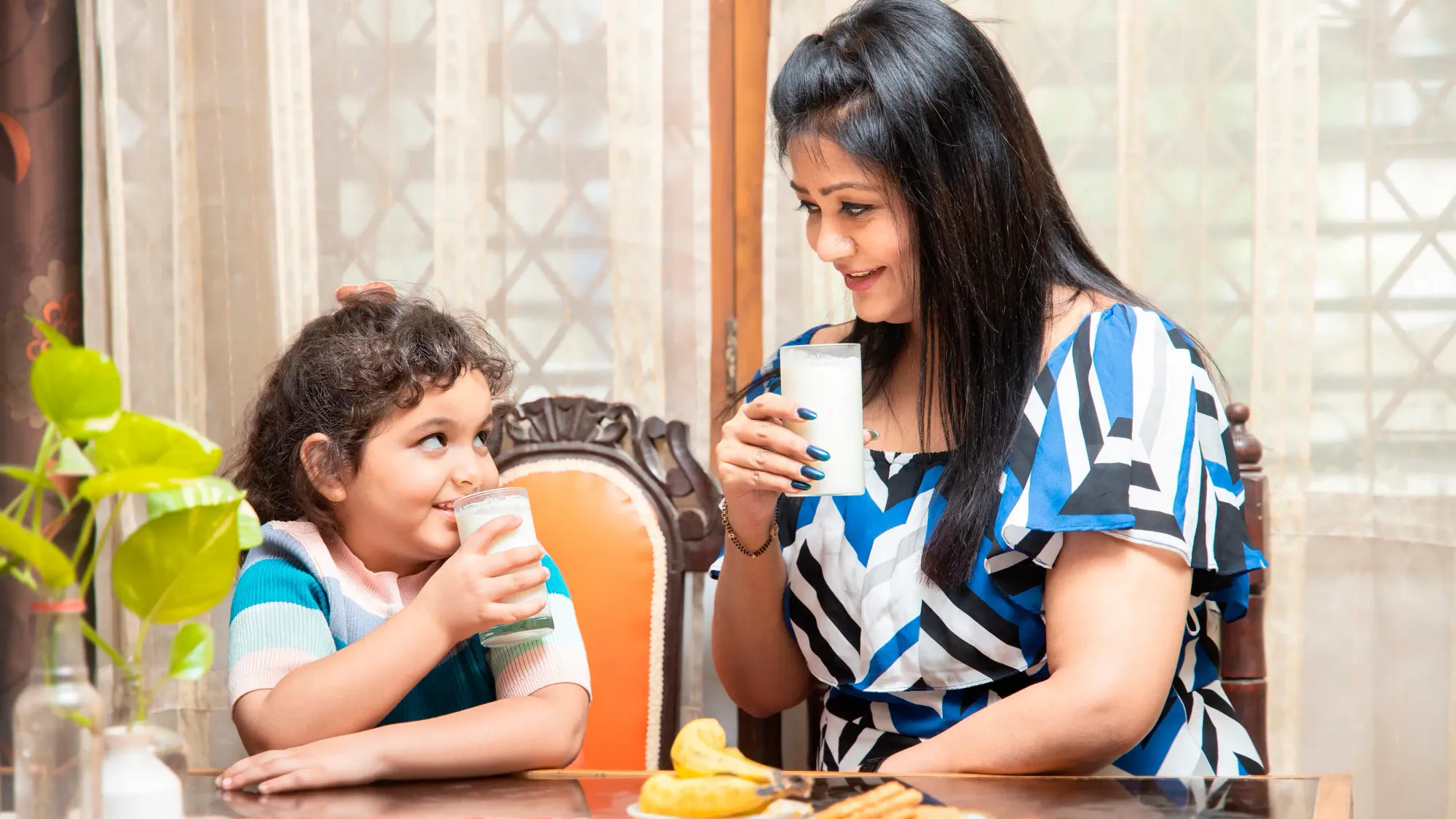
Barrios added that families will receive a daily glass of milk, beginning in the early stages of pregnancy and continuing until the child reaches the appropriate age for consumption.
“We support breastfeeding and complement it with adequate nutrition,” she emphasized.
Scientific evidence at the global level shows that proper nutrition during the first 1,000 days of life produces long-term benefits in health, learning outcomes, and economic productivity. Milk, in particular, remains one of the most accessible and complete foods, providing high-quality proteins, calcium, vitamins, and essential minerals for both maternal health and early childhood development.
How the Alliance Works
According to Barrios, the Municipalidad de Guatemala leads coordination among private-sector partners, identifies beneficiary families, and monitors the development of participating mothers and children. Meanwhile, Dos Pinos delivers the nutritional input, milk, and shares its technical expertise.
Municipal authorities highlighted the initiative as a concrete step toward combating urban malnutrition.
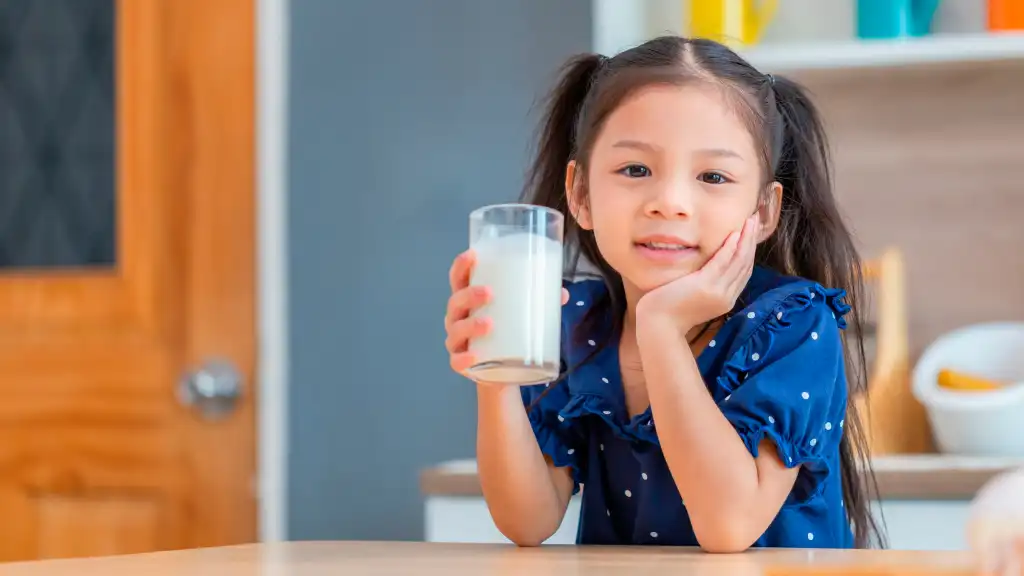
“We promote alliances that improve the quality of life of our communities. This project not only brings purified water and milk to families, but also offers knowledge, growth monitoring, and healthy practices that strengthen households from within,” officials stated.
In addition to donating milk, Dos Pinos will train municipal staff so they can guide mothers on proper milk preparation and essential hygiene practices, including strategies to prevent contamination from unsafe water.
International Inspiration and Long-Term Vision
The program draws inspiration from Chile’s success, where significant improvements in child nutrition were achieved in less than two decades. Taking this experience as a reference, the alliance aims to generate similar progress in Guatemala, grounded in the belief that a country cannot transform its future if its children grow up with restricted developmental opportunities.
“We are ambitious, we believe this first project can later expand nationwide. This goes far beyond social assistance or corporate responsibility. It is an integral initiative designed to change the country’s reality by improving nutrition, strengthening cognitive development, and ensuring constant monitoring to generate real impact,” Barrios explained.
A Commitment to Guatemala’s Future
Through this joint effort, Dos Pinos, the Municipalidad de Guatemala, and private-sector partners reaffirm their commitment to improving the well-being of Guatemalan mothers and children. The initiative positions nutrition as a cornerstone for the nation’s future development and aims to drive meaningful, long-lasting change.