Companies Leading Gender Equality in Central America
In recent years, the creation of inclusive work environments and the promotion of gender equality have taken on a central role in the corporate strategies of many companies in Guatemala and Central America.

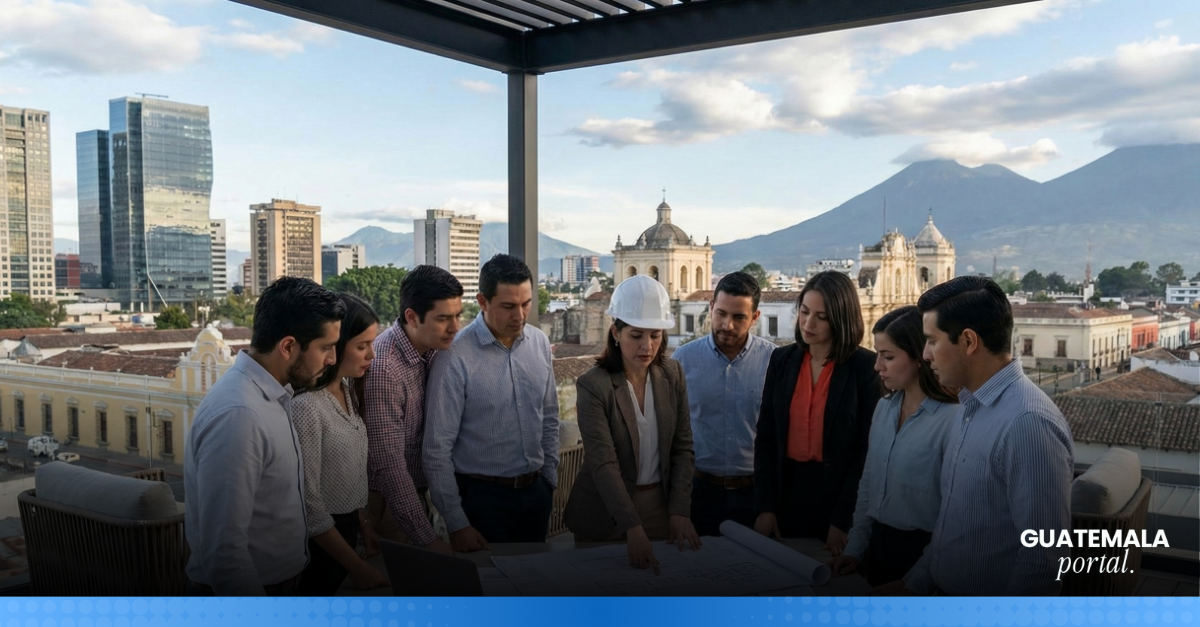
In recent years, the creation of inclusive work environments and the promotion of gender equality have taken on a central role in the corporate strategies of many companies in Guatemala and Central America. Organizations are adopting policies designed to include diverse perspectives and to ensure equity in opportunities, professional development, and representation.
Companies such as Bimbo Global Services, Siemens, and Agencias J.I. Cohen have implemented programs and strategies that benefit their employees while positively impacting local communities and the region’s economic development. These initiatives are helping transform corporate culture by creating more equitable workplaces and leading the way toward a more inclusive and sustainable economy.
Bimbo Global Services: A Global Commitment to Gender Equality
Bimbo Global Services, one of the world’s leading food industry companies, has demonstrated a strong global commitment to gender equality as a signatory to the United Nations Women’s Empowerment Principles. The company has implemented a range of diversity, equity, and inclusion (DEI) initiatives, including mentorship programs to develop female talent for leadership positions and awareness workshops focused on gender equality.
At the global level, Bimbo has set a goal of achieving 40% female representation in leadership roles by 2030. The company also focuses on eliminating gender discrimination and promoting gender-sensitive education across all its operations, including its manufacturing plants and offices in Mexico.
Siemens Mexico: A Leader in Gender Equality and Diversity

Siemens Mexico is another benchmark in the promotion of gender equality, with women representing 42% of its workforce. The company has also committed to fully closing the gender pay gap, achieving a difference of less than 1%. Siemens aims to reach gender parity (50/50) in executive and management positions by 2025 and ensures that at least 40% of its board of directors is composed of women.
Through its WINs (Women in Siemens) program, Siemens promotes inclusion and the comprehensive development of women at all levels of the organization. This initiative ensures that women not only have access to leadership positions but also receive the support needed to grow and succeed in their careers.
Agencias J.I. Cohen: Gender Equality in Guatemala’s Pharmaceutical Industry
In Guatemala, Agencias J.I. Cohen, one of the country’s leading pharmaceutical distribution companies, has adopted gender equality and diversity policies that promote inclusion in the workplace. Founded by Jack Irving Cohen and currently led by Alberto Cohen Mory, the company has integrated women into key roles within areas traditionally dominated by men, such as logistics and foreign trade.
Agencias J.I. Cohen values talent regardless of gender and has become a benchmark in the Guatemalan pharmaceutical industry for creating an inclusive work environment based on respect and equity. These inclusion policies strengthen internal cohesion and have reinforced the company’s reputation as an ethical and responsible organization, committed to human rights and equitable development within its workforce.
Diversity and Inclusion as Drivers of Innovation and Success
Gender equality and diversity contribute to employee well-being and are essential to business success. According to McKinsey & Company, companies with diverse teams demonstrate greater innovative capacity and achieve stronger financial performance.
Bimbo Global Services, Siemens Mexico, and Agencias J.I. Cohen show how an inclusive culture can improve the workplace environment while enhancing overall business performance. The implementation of these policies has a positive impact on profitability, competitiveness, and long-term sustainability, positioning these companies as leaders in their respective industries.
Creating inclusive work environments is more than a corporate social responsibility strategy; it is a key factor for success and sustainable development in Guatemala and Central America. Companies that lead with an inclusive approach are setting the course toward a more equitable and sustainable future.