
ABG promotes financial cyber resilience with the introduction of Regulation JM-98-2025
Guatemala strengthens financial cyber resilience with Regulation JM-98-2025, setting higher standards for technological risk management and digital security.


Last week, Guatemala took a historic step toward building a more secure and resilient financial infrastructure. During the forum “Technological Risks: Cyber Resilience Strategies in the New Digital Era,” the Guatemalan Banking Association (ABG) brought together financial system leaders, authorities, and international experts to analyze the scope of the new Regulation JM-98-2025 on Technological Risk Management.
More than a regulatory update, participants described the regulation as a true change of era. Its objective is to strengthen technological risk governance, raise security standards, and prepare financial institutions to respond with agility in an increasingly threatened digital environment.
The event, considered one of the most technical and relevant of the year, addressed key topics such as data protection, responsible artificial intelligence, critical infrastructure, third-party contracting, and business continuity and operational recovery plans.

Digital resilience as a global priority
The discussion around cyber resilience is not exclusive to Guatemala. In recent weeks, events such as the global outage of services associated with Cloudflare, which affected thousands of financial and technology platforms worldwide, have highlighted the fragility of today’s digital ecosystem. These incidents underscore the urgency of having robust protocols in place to ensure operational continuity in the face of technological disruptions or cyberattacks.
Experts agreed that technological risks are no longer limited to financial losses, but now directly threaten trust and stability within the financial system. As a result, operational resilience, the ability to anticipate, withstand, and recover from digital incidents, has become a strategic capability for survival.
A framework that projects regional leadership
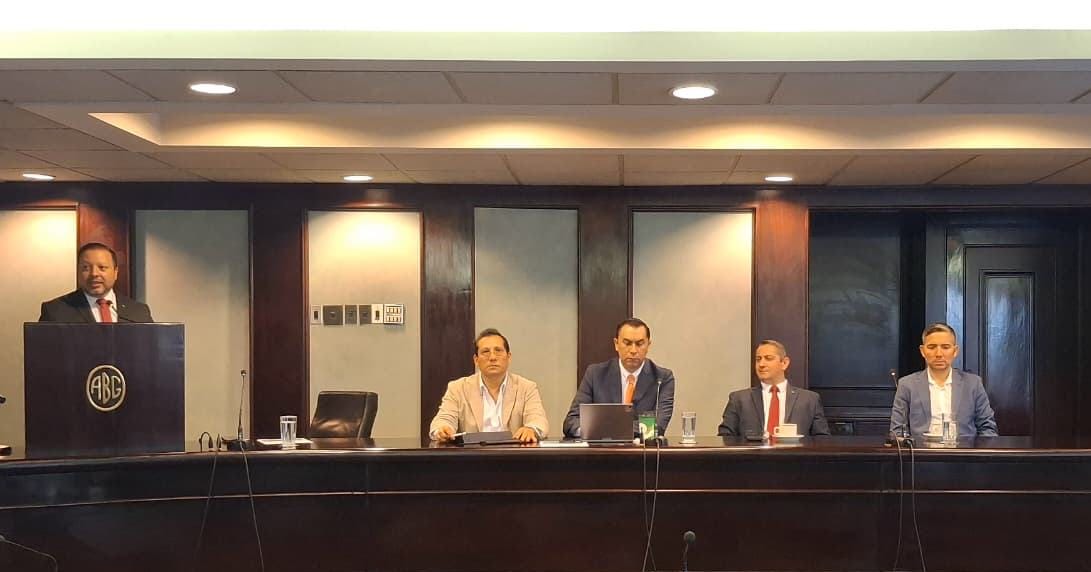
With the implementation of JM-98-2025, Guatemala not only strengthens its supervisory mechanisms, but also sets a regional benchmark in the adoption of international standards for financial cybersecurity.
The new framework requires comprehensive technological risk management based on transparency, traceability, and timely response to failures or breaches. It also introduces unprecedented regional guidelines on the ethical use of artificial intelligence and data processing in hybrid or cloud environments, an especially relevant challenge in the age of automation.
“Cyber resilience is no longer an option, but a requirement to compete in the digital economy,” organizers stated.
Emphasizing the need for closer collaboration among banks, regulators, technology providers, and auditors to build strong and sustainable financial ecosystems.
With this initiative, Guatemala positions itself as a reference point in technological regulation and prevention in Latin America, demonstrating that the country’s financial future will not only be digital, but also cybersecure, intelligent, and resilient.